
White River Boulevard and Minnetrista Boulevard: A Gathering Place by the Water
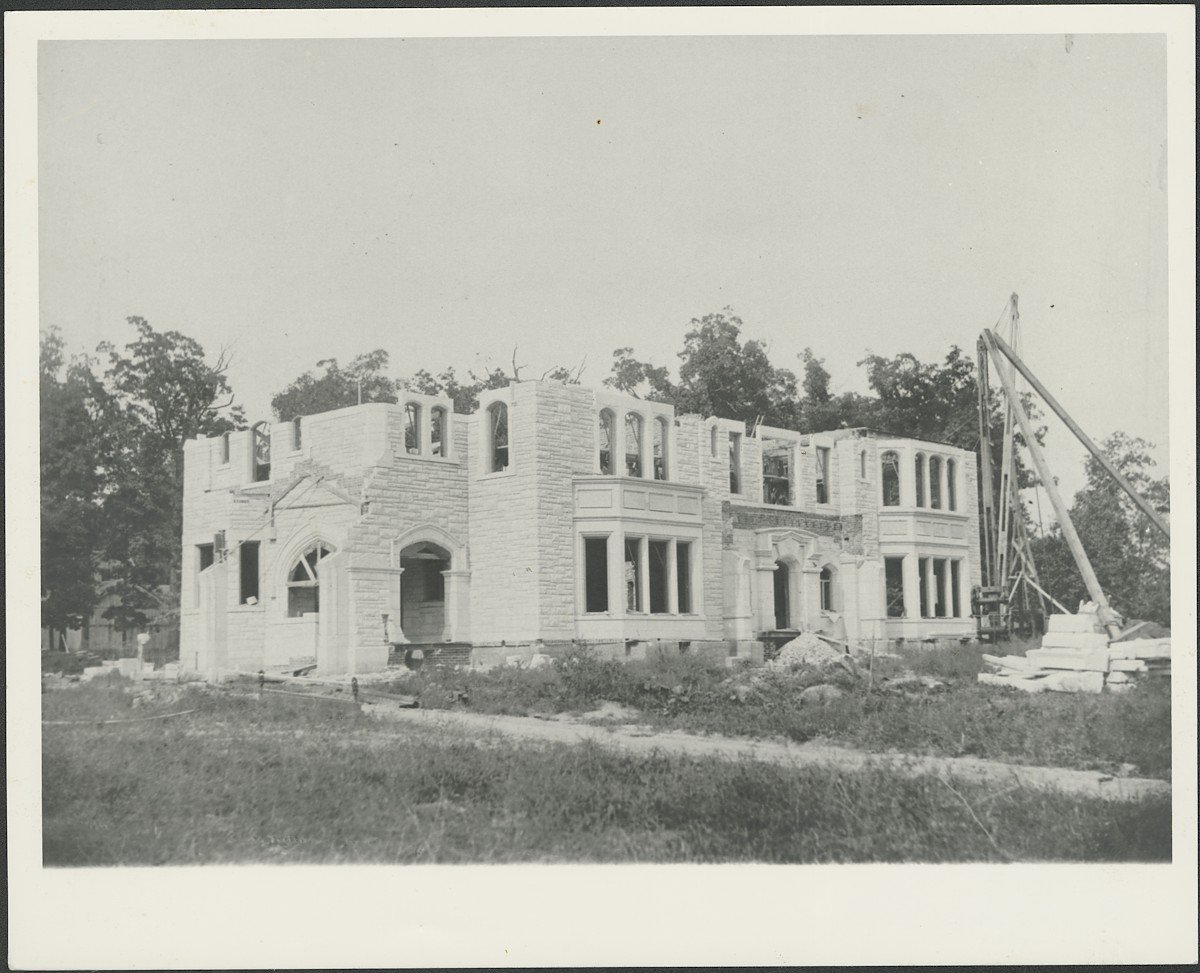
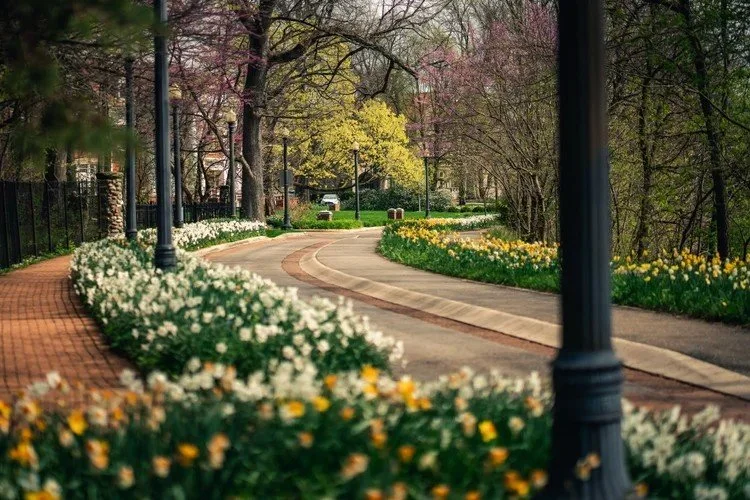
Minnetrista Boulevard’s history goes back long before Muncie was founded, stretching back thousands of years.
Archaeological evidence suggests Native Americans lived along the north bend of the White River, between present-day Wheeling and Walnut streets, for thousands of years. The area is ancestral land of the Myaamia (Miami) people. Munsee-speaking Lenape Native American refugees established a village on the bluff between 1796 and the War of 1812, with permission from the Miami. The Lenape and Myaamia ceded land claims in the White River valley in 1818 at the Treaties of St. Mary’s, Ohio.
At the end of the century, as they moved their glass business to Muncie, members of the Ball family purchased rural land on the bluff between the riverbend and the Delaware County Fairgrounds, then known as Riverside Heights. They renamed the bluff Minnetrista—combining the Sioux word mni (water) with the English word tryst (meeting place). The name reflects a simple idea: a place where people gather by the water.
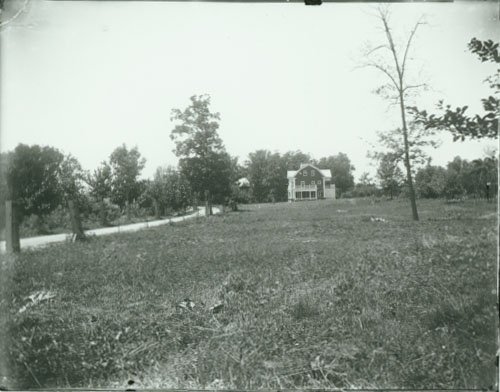
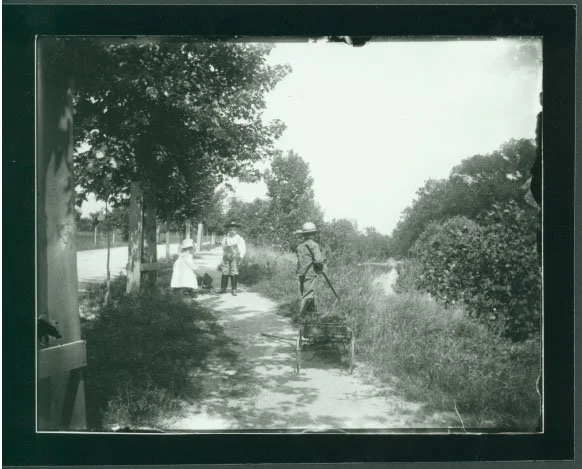
Minnetrista Boulevard predates the city’s broader river boulevard system we know today. Portions of the road existed as early as the 1880s, linking Walnut and Wheeling streets. By the 1890s, it served as a private drive for Ball family homes. A riverbank path also provided access to the landscape and views that defined the area.
A central figure in shaping the broader river corridor was Edmund Burke Ball. As a longtime member of the Muncie Board of Park Commissioners, Ball worked with the park board and the Muncie Commercial Club between 1902 and 1925 to promote a connected boulevard system along the White River. At the time, the river presented a public health and economic challenge, with raw sewage and industrial waste regularly flowing through the heart of the city. The creation of a broader boulevard system complemented efforts to improve infrastructure for a more livable and attractive city.
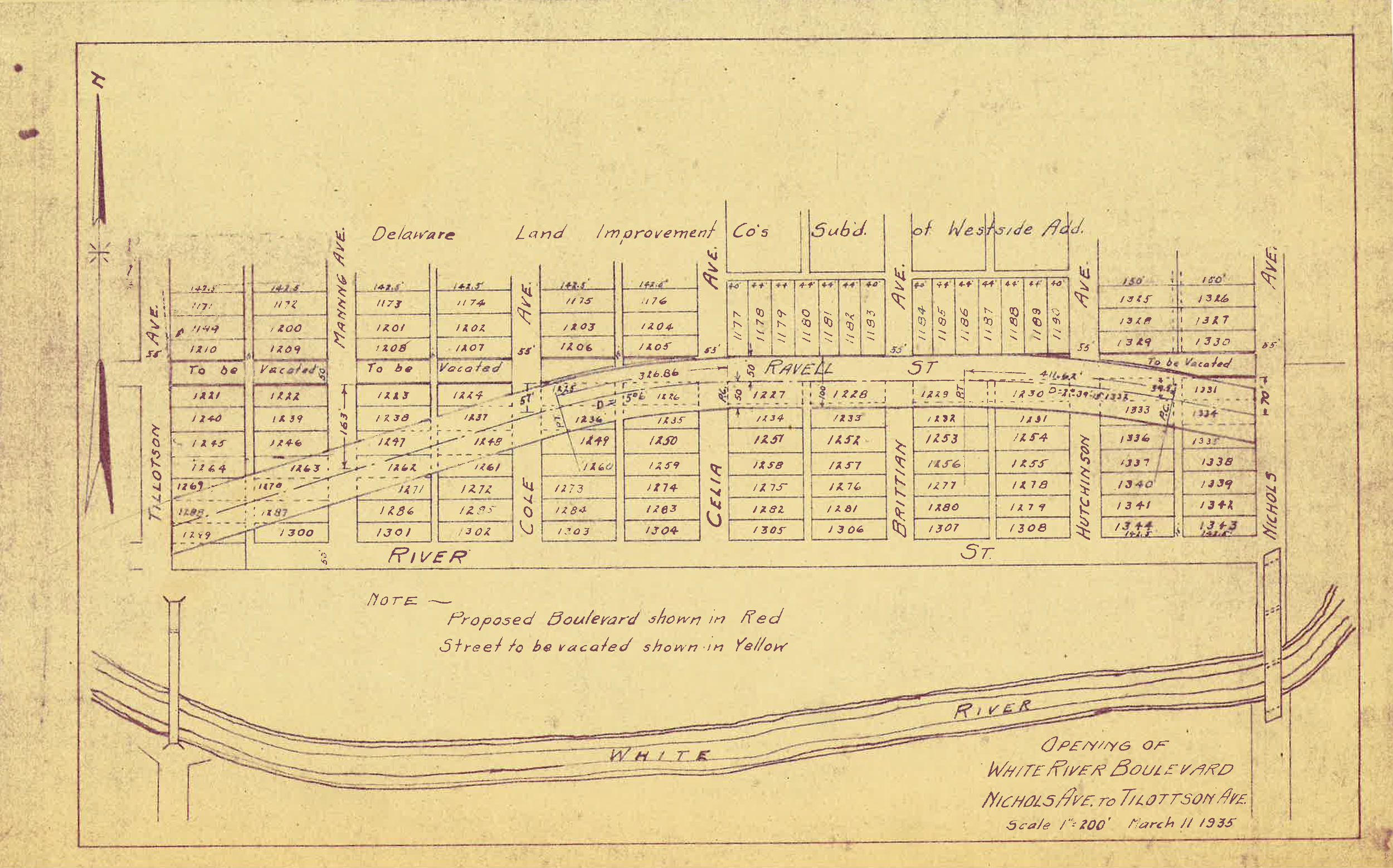
This effort required assembling land across the riverfront, much of it secured through donations arranged by Edmund B. Ball himself. While the full vision took shape over many decades, it ultimately resulted in White River Boulevard, a citywide system built on the river’s north north bank. The system connected parks, neighborhoods and other public spaces. The first sections were constructed during the Great Depression, gradually establishing the continuous scenic route that had long been envisioned—expanding well beyond the first Minnetrista drive.
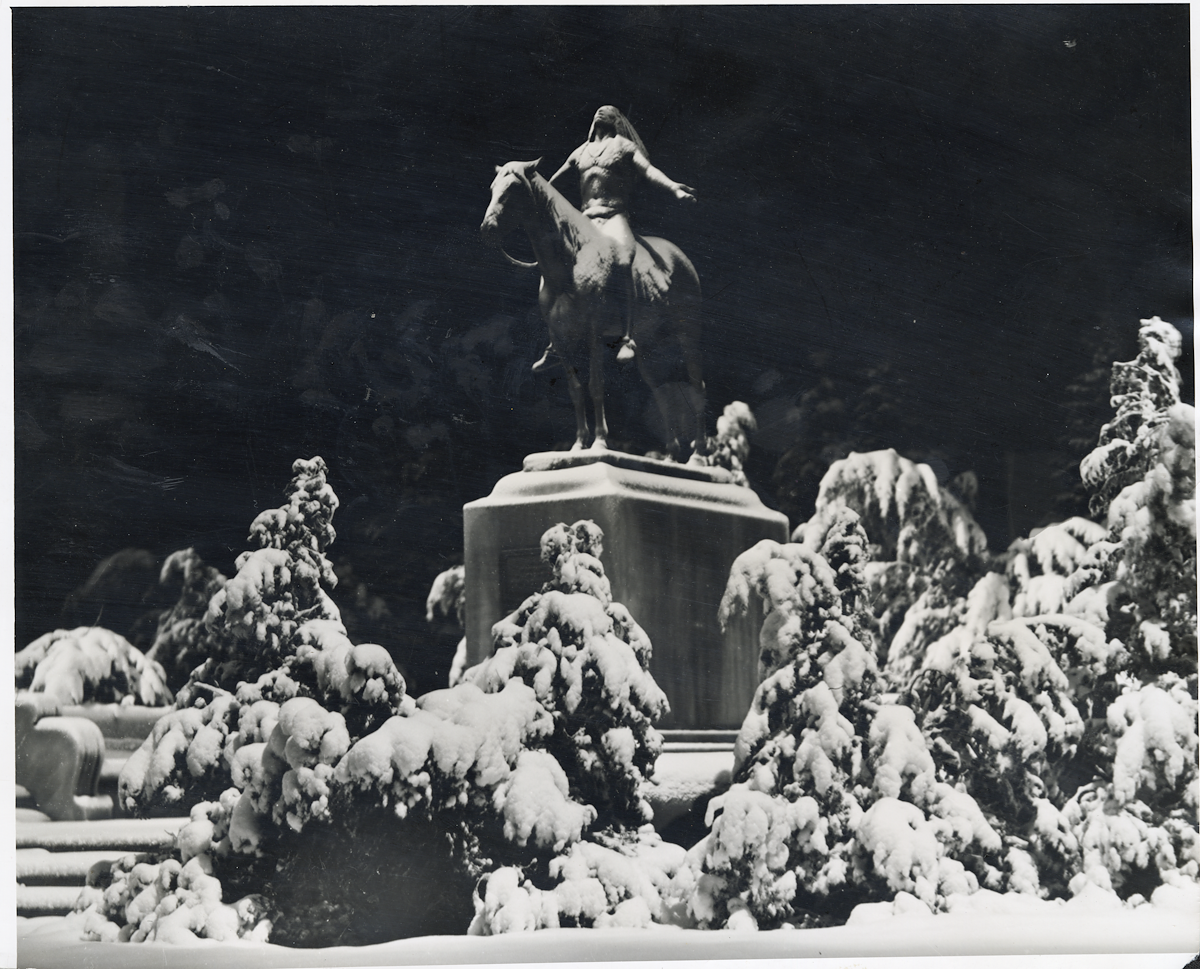
One of the defining features along this river corridor is the iconic Appeal to the Great Spirit statue. After Edmund’s death in 1925, his wife Bertha commissioned a copy of the original statue from noted sculptor Cyrus Dallin, an artist of the City Beautiful era. Bertha Ball presented it to the City of Muncie in 1929 in honor of her husband’s contributions to river improvement. Appeal’s placement overlooking the riverbend reflects the vision Edmund and others in the community helped bring to life.
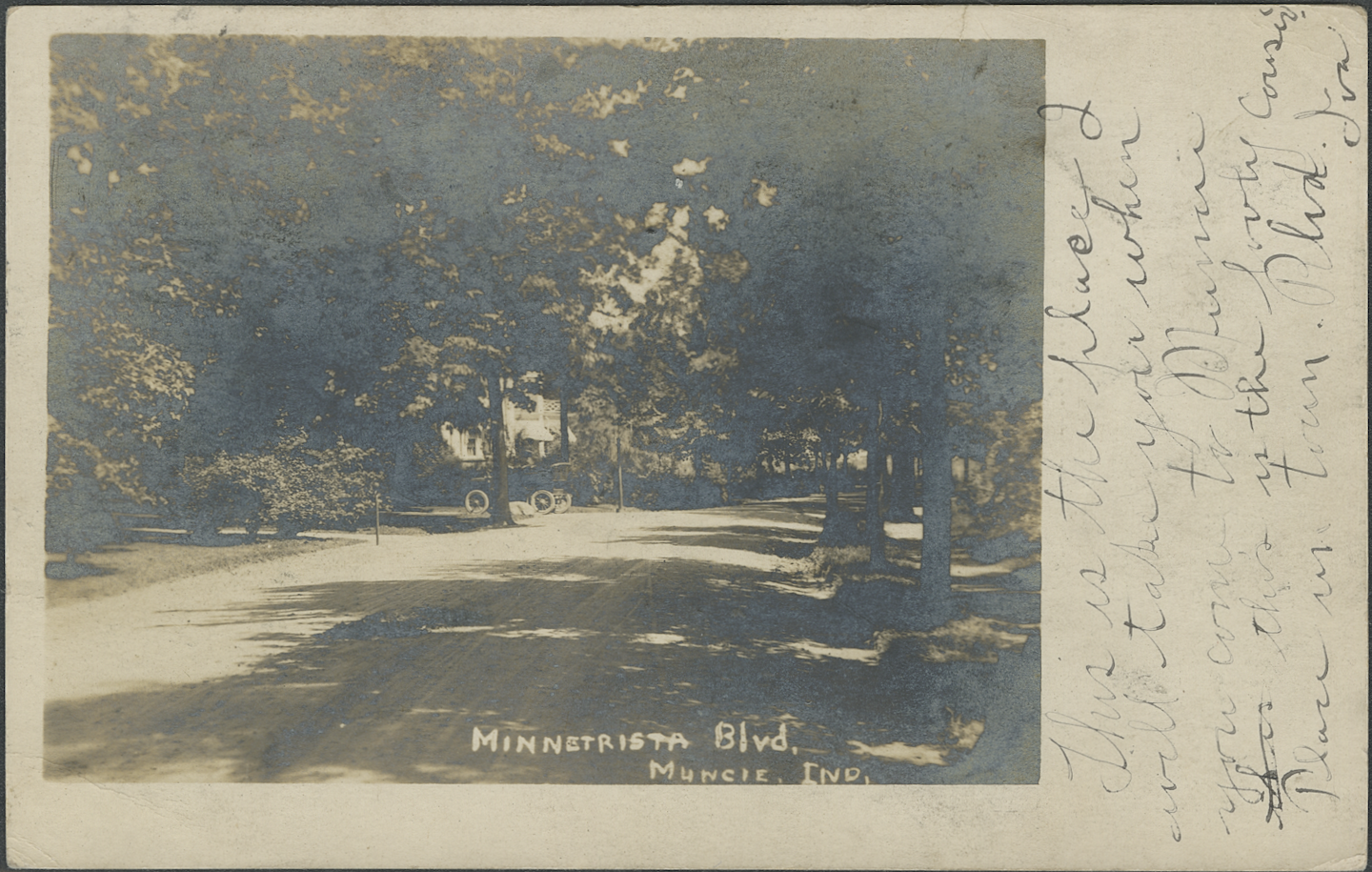
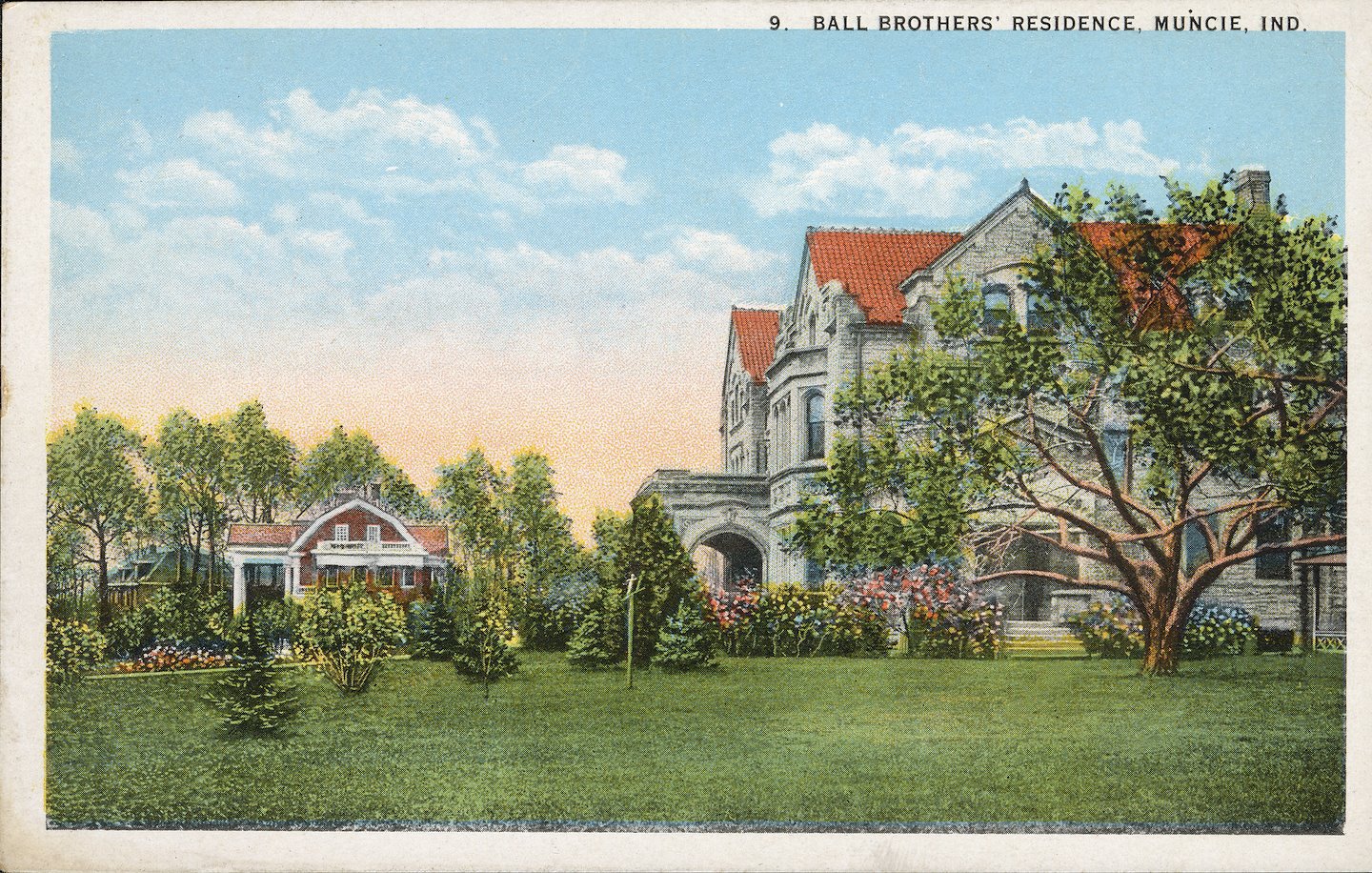
Early notable photos and paintings of this era capture the significance and beauty of the Minnetrista bluff. An early 1900s postcard shows a tree-lined drive with a single automobile and the Maplewood home of William and Emma Ball in the distance. Accompanying the picture was text reading: “This is the place I will take you when you come to Muncie.” Even then, the area overlooking the river in front of the Ball homes was regarded as one of the city’s most distinctive and special places.
The landscape continued to evolve over time. When Minnetrista Cultural Center opened in 1987, a short section of Minnetrista Boulevard was vacated and replaced with a parkway to provide vehicle access to the new museum building. A trail was laid along the White River in front of the cultural center and later extended past the Ball family homes.
Today, this path is part of the White River Greenway, which runs about six miles from Muncie’s east side westward into Yorktown. A small portion of roadway still runs in front of the historic homes and adjacent to the trail, preserving the same scenic view around the riverbend. The trail at this location has among the highest count of runners, walkers and cyclists in East Central Indiana.
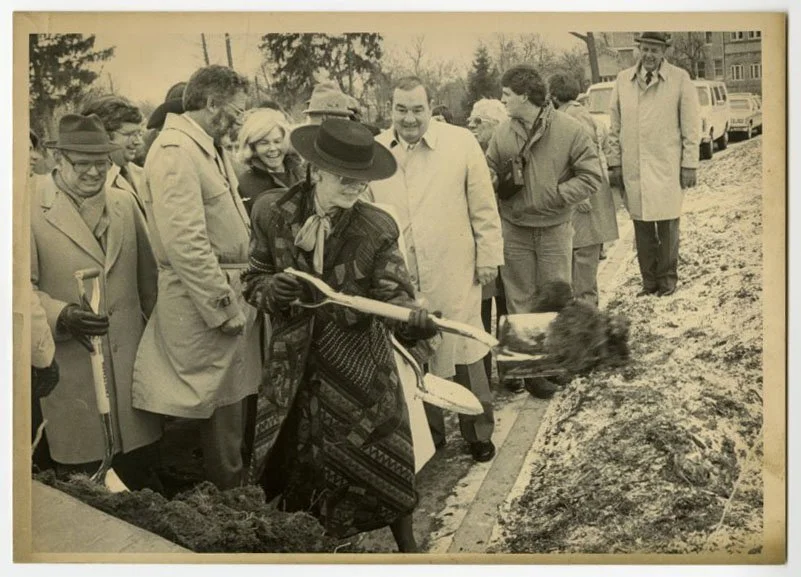
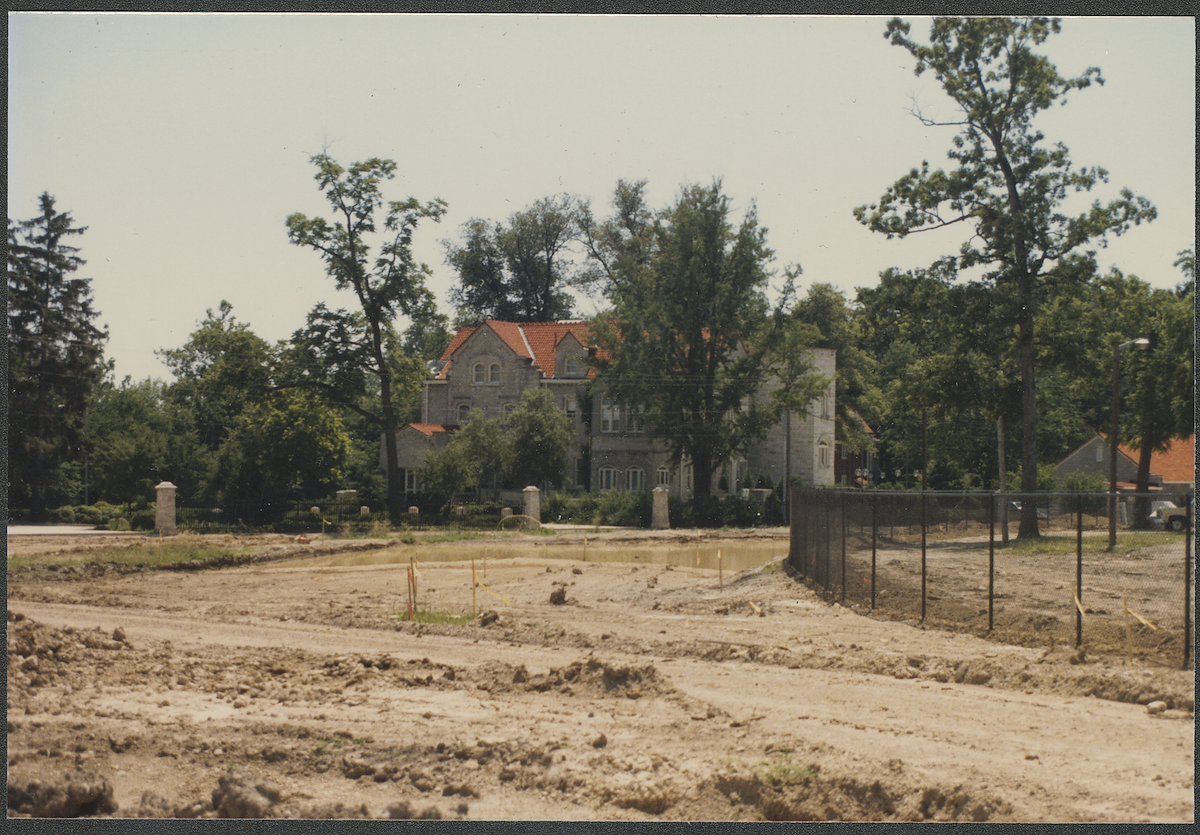
Over time, Minnetrista Boulevard has become a landscape connecting historic homes, museum and regional green spaces. In recognition of its significance, the Minnetrista Boulevard Historic District was added to the National Register of Historic Places in 2012. The designation acknowledges the area’s architectural grandeur, its association with the Ball family and its role in preserving Muncie’s cultural heritage.
That recognition conveys not only the boulevard’s history, but its continued presence in the life of the community. Today, Minnetrista Boulevard reflects multiple layers of that history, from its earliest inhabitants to its role in shaping the city’s identity. It remains, as its name suggests, a gathering place by the water.
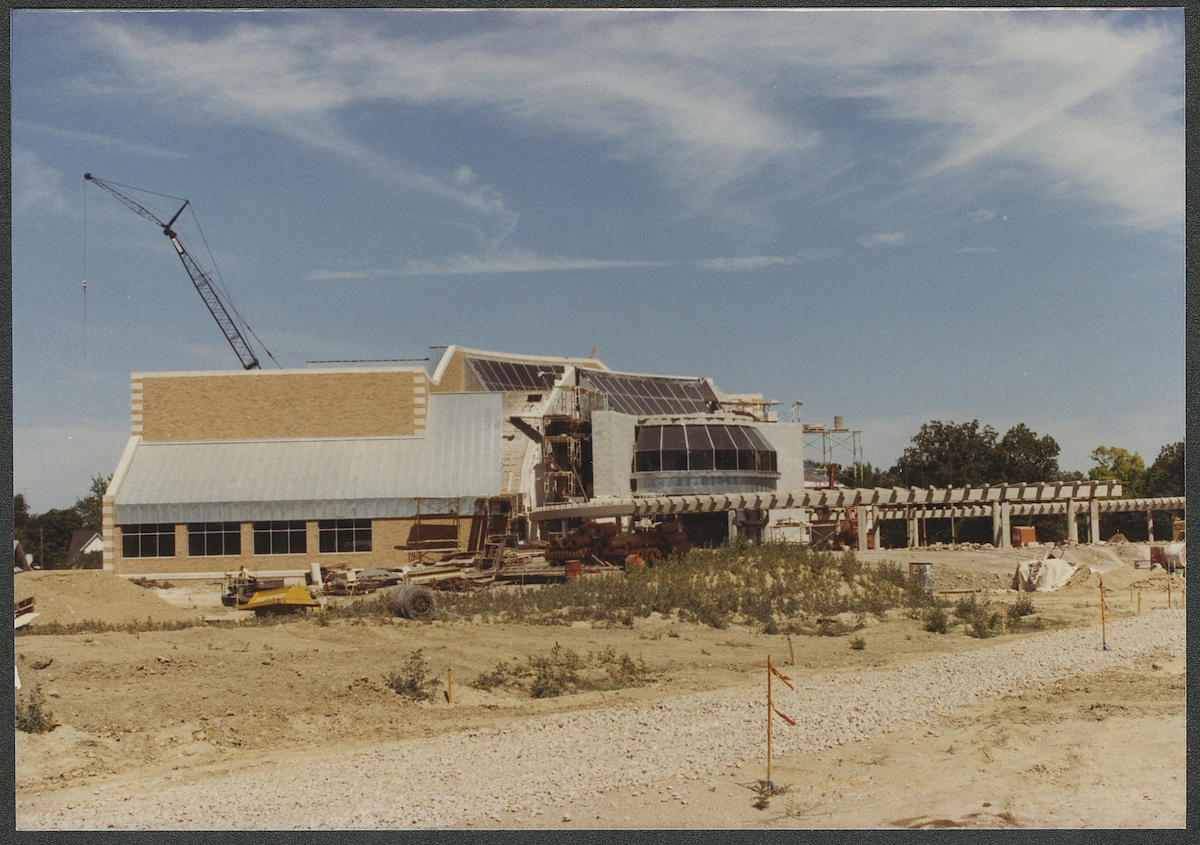
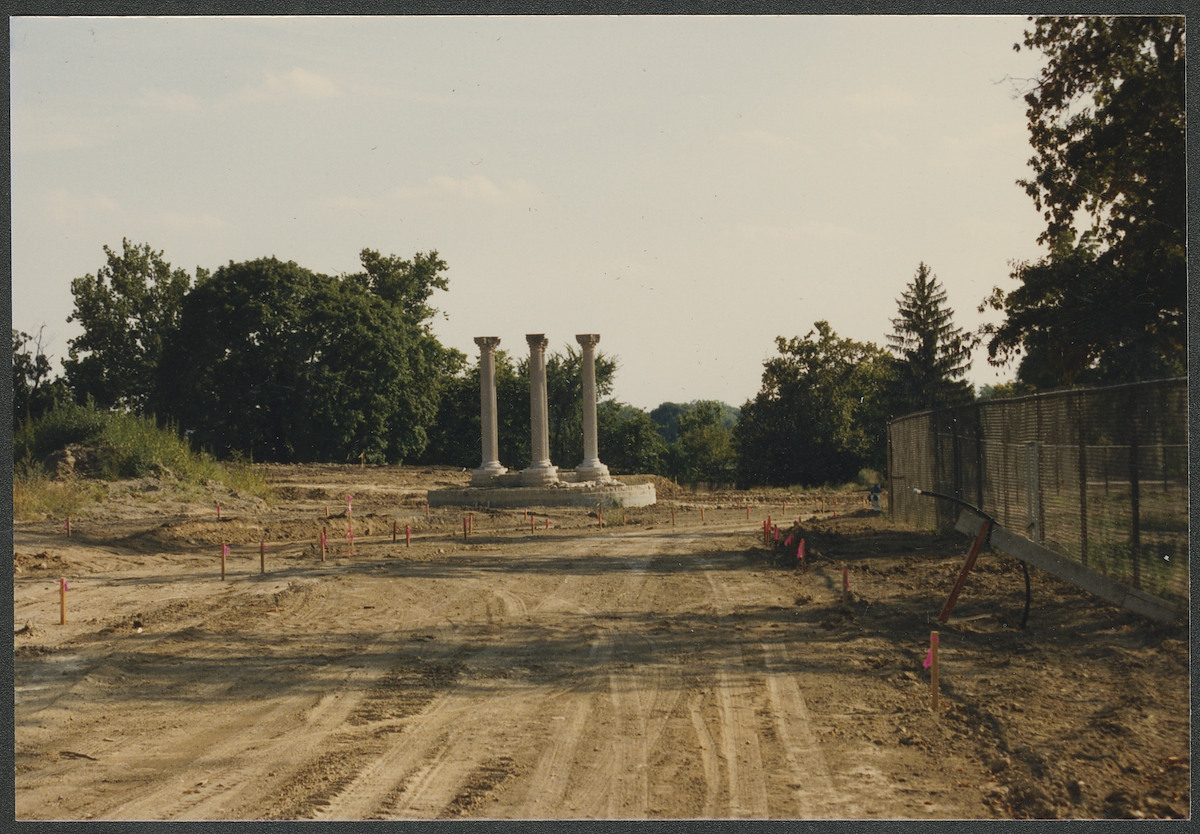
That sense of place continues to be shaped and sustained today. Ball Brothers Foundation carries forward this legacy through its grantmaking, providing ongoing support for Minnetrista Museum and Gardens and helping to sustain both its historic properties and its role as a cultural and community asset. The foundation also supports efforts to care for and promote the White River and surrounding green spaces, reinforcing their importance to community life and identity.
Together, these efforts reflect something larger than any one individual project: they speak to a shared commitment to place. More than a century ago, Edmund B. Ball recognized the potential of the river and its surrounding landscape as a defining feature of the community.
Today, that vision continues to take shape, as each generation contributes to what remains one of Muncie’s most enduring and cherished assets.