
Celebrating a Century
As we recognize this milestone, the foundation remains committed to the guiding principle that has shaped its work for a century—strengthening Muncie, Delaware County, and Indiana through thoughtful, steady, place-based philanthropy that endures.
100 YEARS OF IMPACT
The Legacy Continues
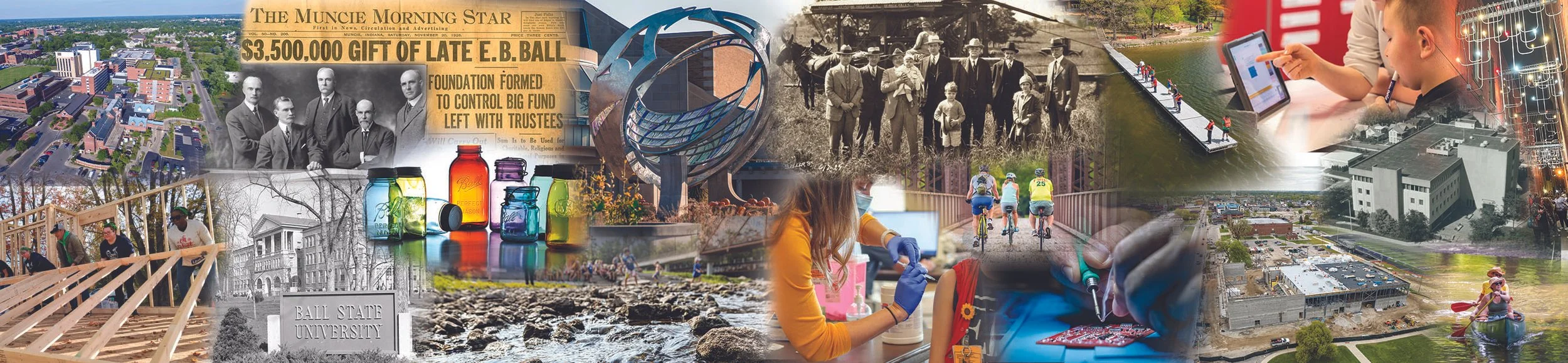
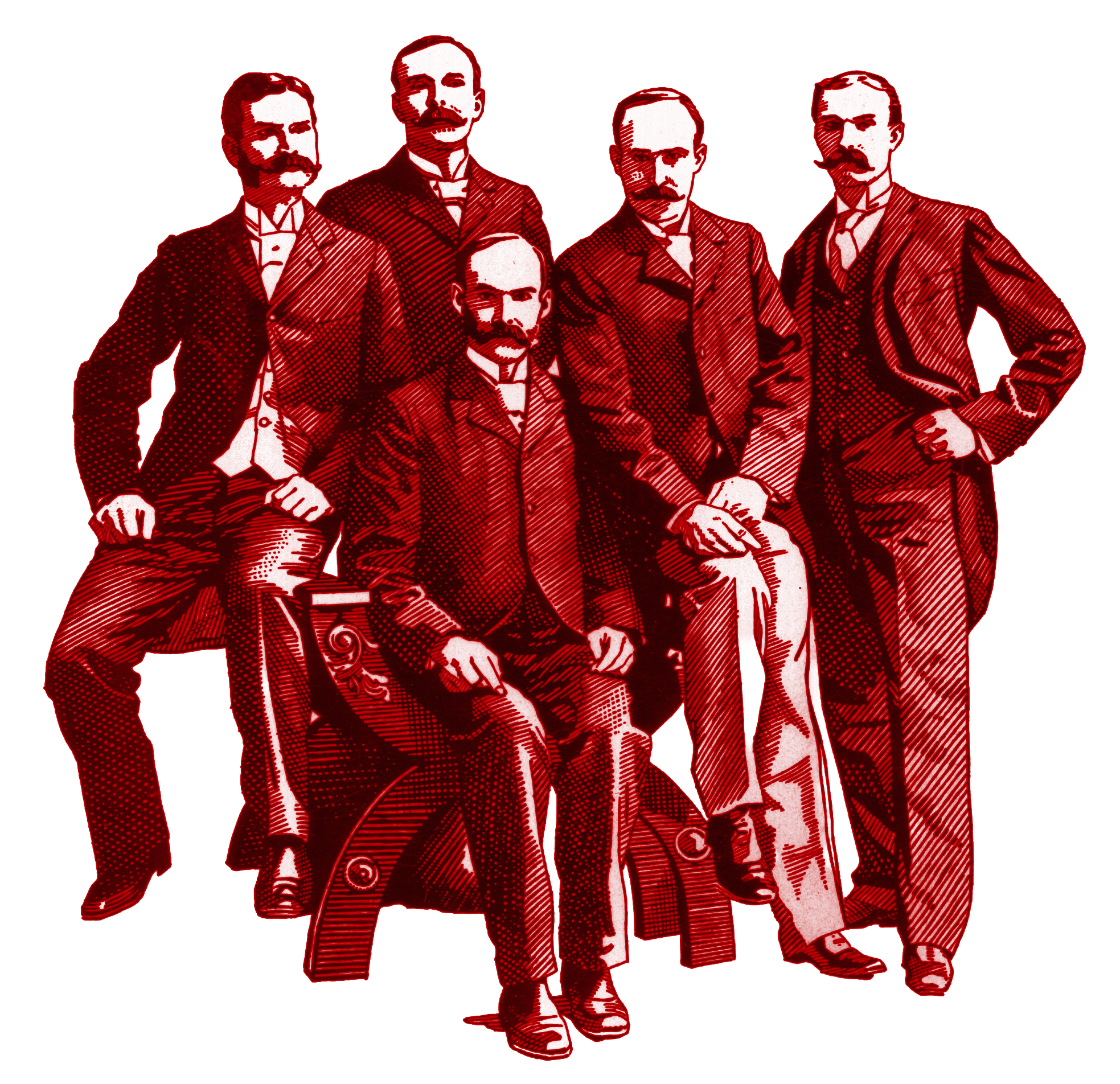
The foundation was formed in 1926 to continue the philanthropic legacy of the five Ball brothers and their families. Created to exist in perpetuity, Ball Brothers Foundation has supported countless initiatives over the past 100 years that have strengthened Muncie, Delaware County, East Central Indiana, and the state of Indiana.
Special thanks to Minnetrista Museum & Gardens , Ball State University Archives, Delaware County Historical Society, and Indiana Historical Society for their help in sourcing historical images.
BEGIN TIMELINE

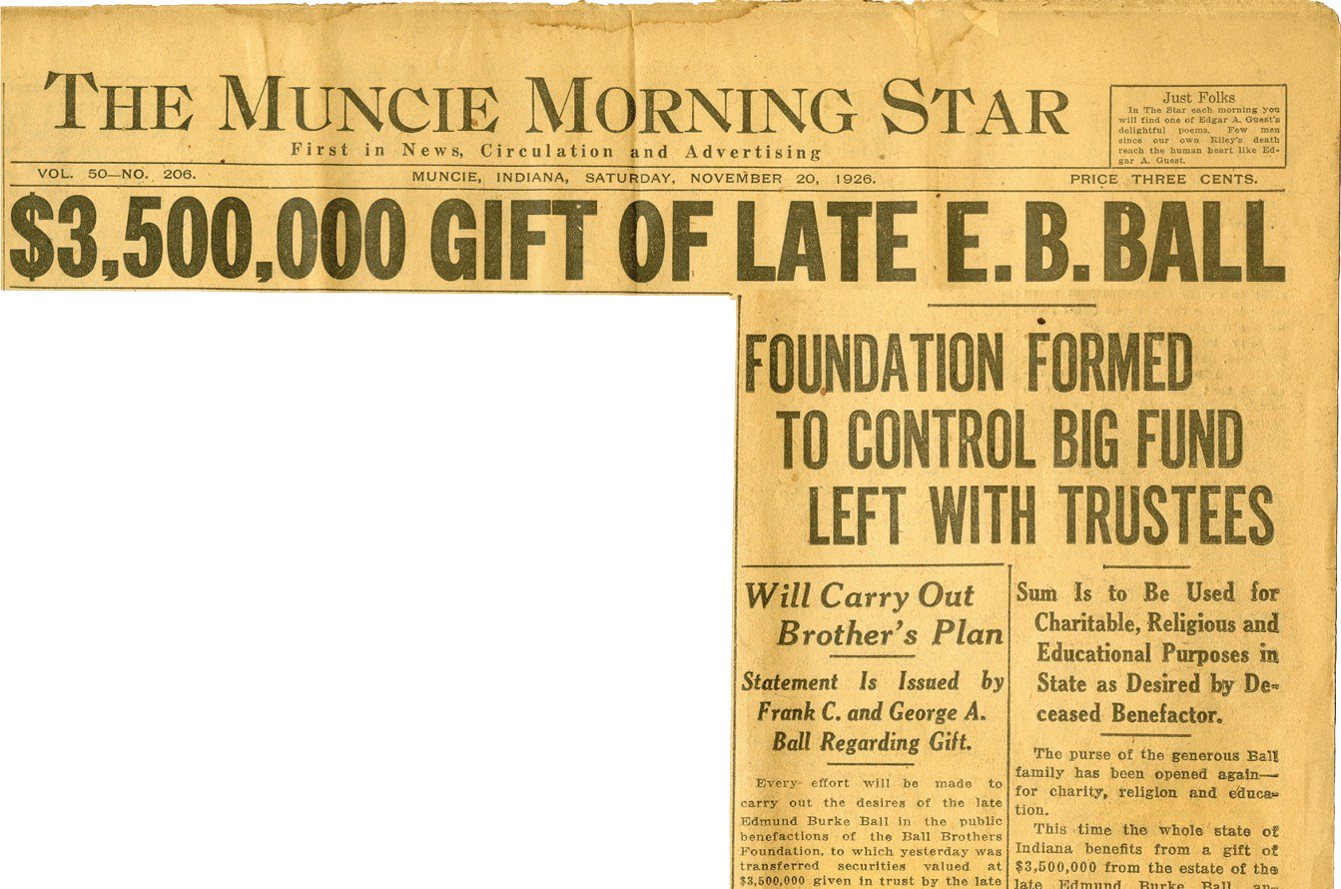
1926: Formal Establishment
& First Board Meeting
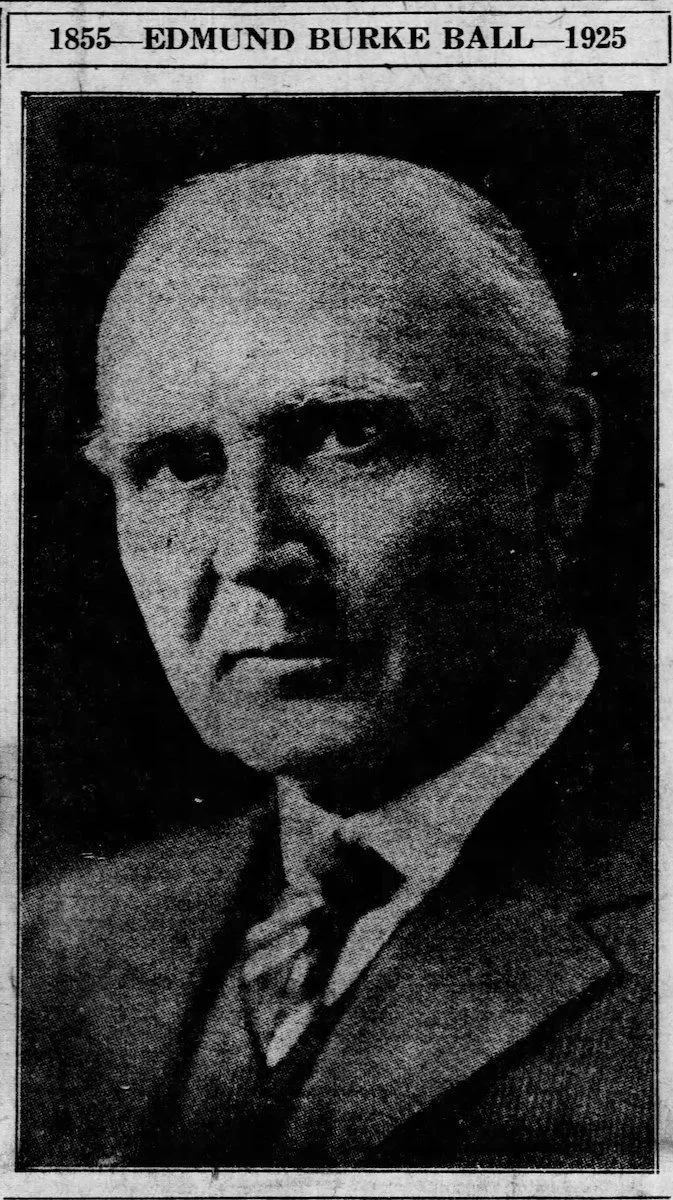
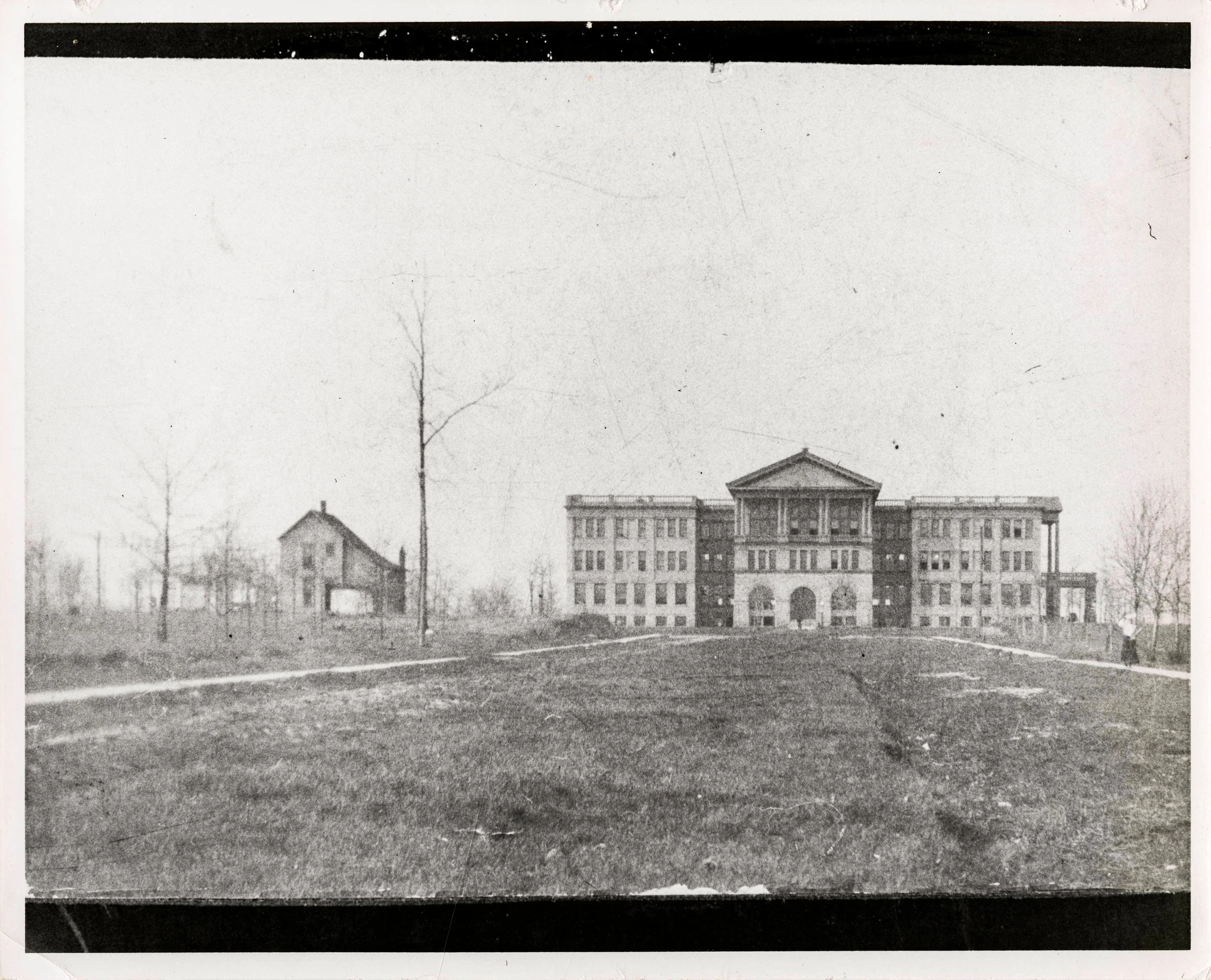
Ball Brothers Foundation was formally established in Indiana on November 19, 1926, becoming one of the state’s early private foundations. At its first board meeting, funding was approved for two local churches, to help complete the Masonic Temple (now Cornerstone Center for the Arts), and for construction of a new dorm at Ball Teachers College, which was then known as the Eastern Division of the Indiana State Normal School (now Ball State University).
1920s
1927: Camp Crosley
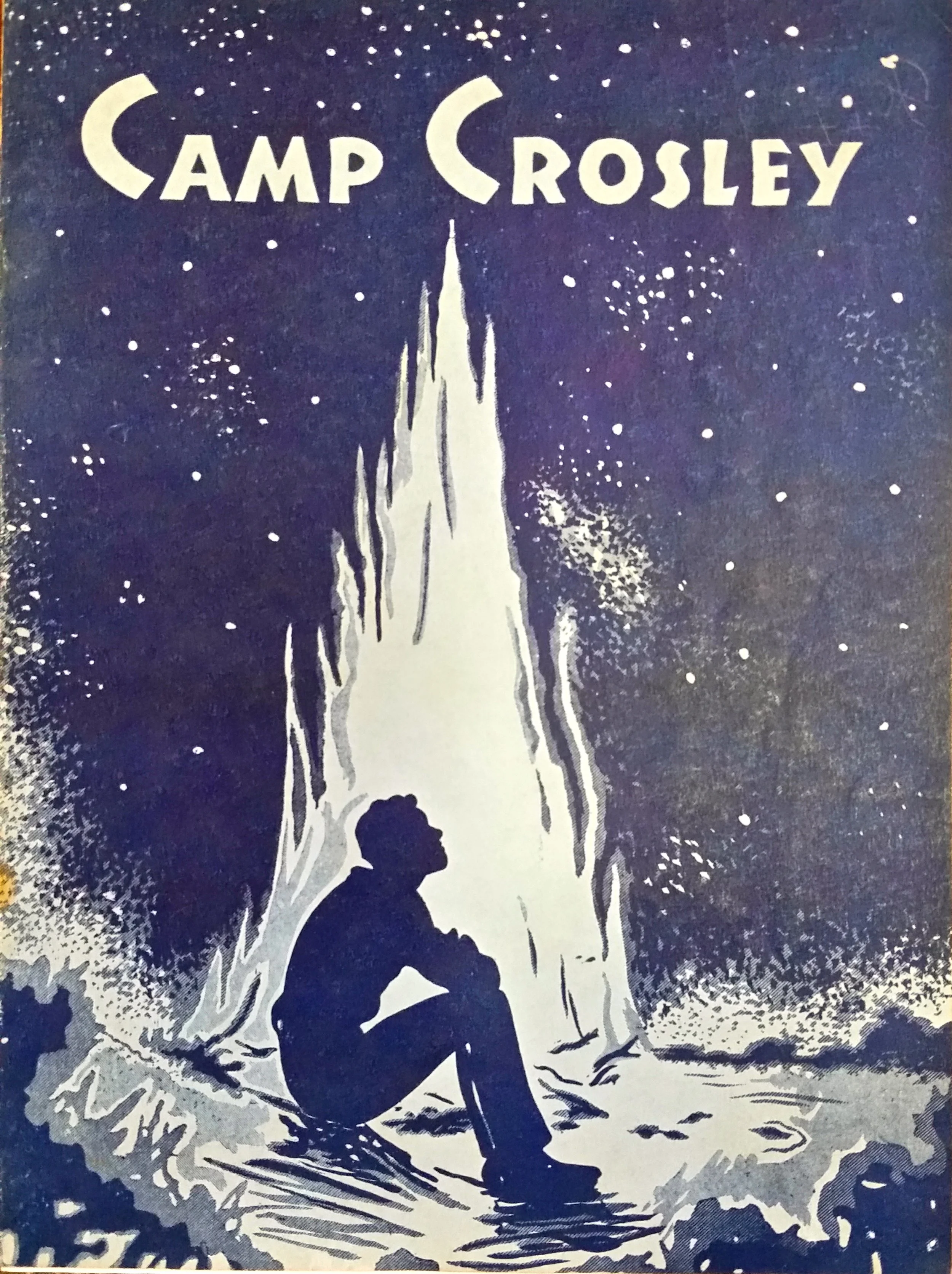
BBF’s first grant to Muncie’s YMCA Camp Crosley helped purchase farmland next to the camp in North Webster, Indiana. Over the next decade, the foundation would provide significant additional funding to expand the property, marking the start of a relationship that has spanned nearly a century with BBF support totaling well over $3M.
1920s
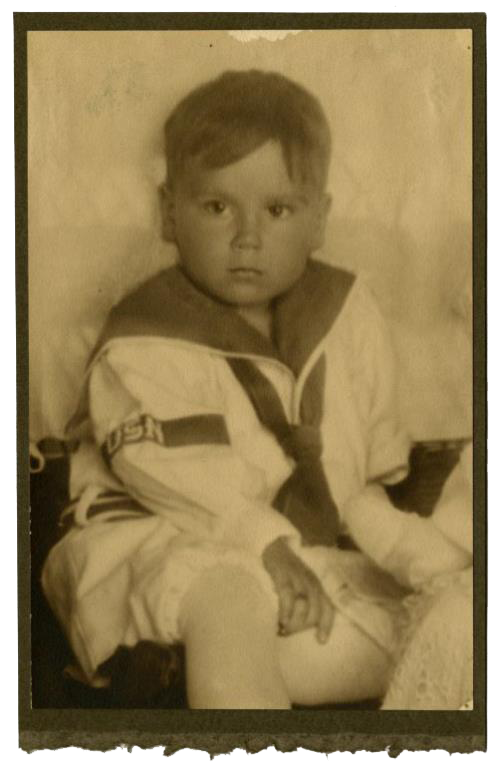
Clinton Crosley Ball, son of E.B. and Bertha Ball and namesake of Camp Crosley
1927: Tackling Tuberculosis
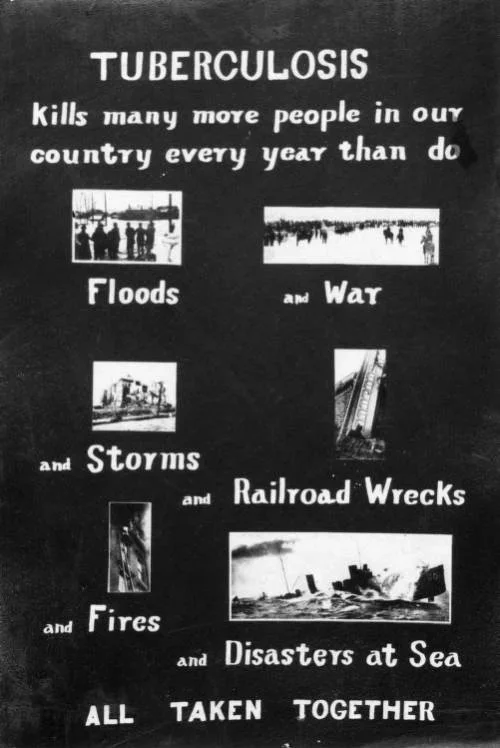
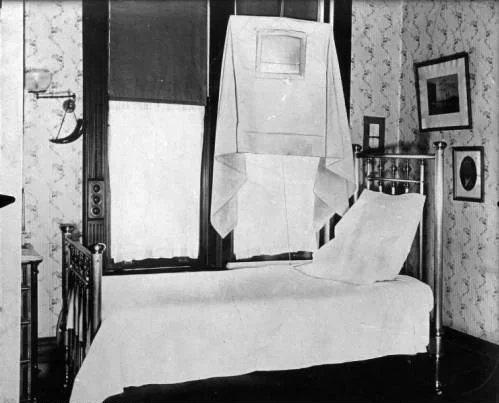
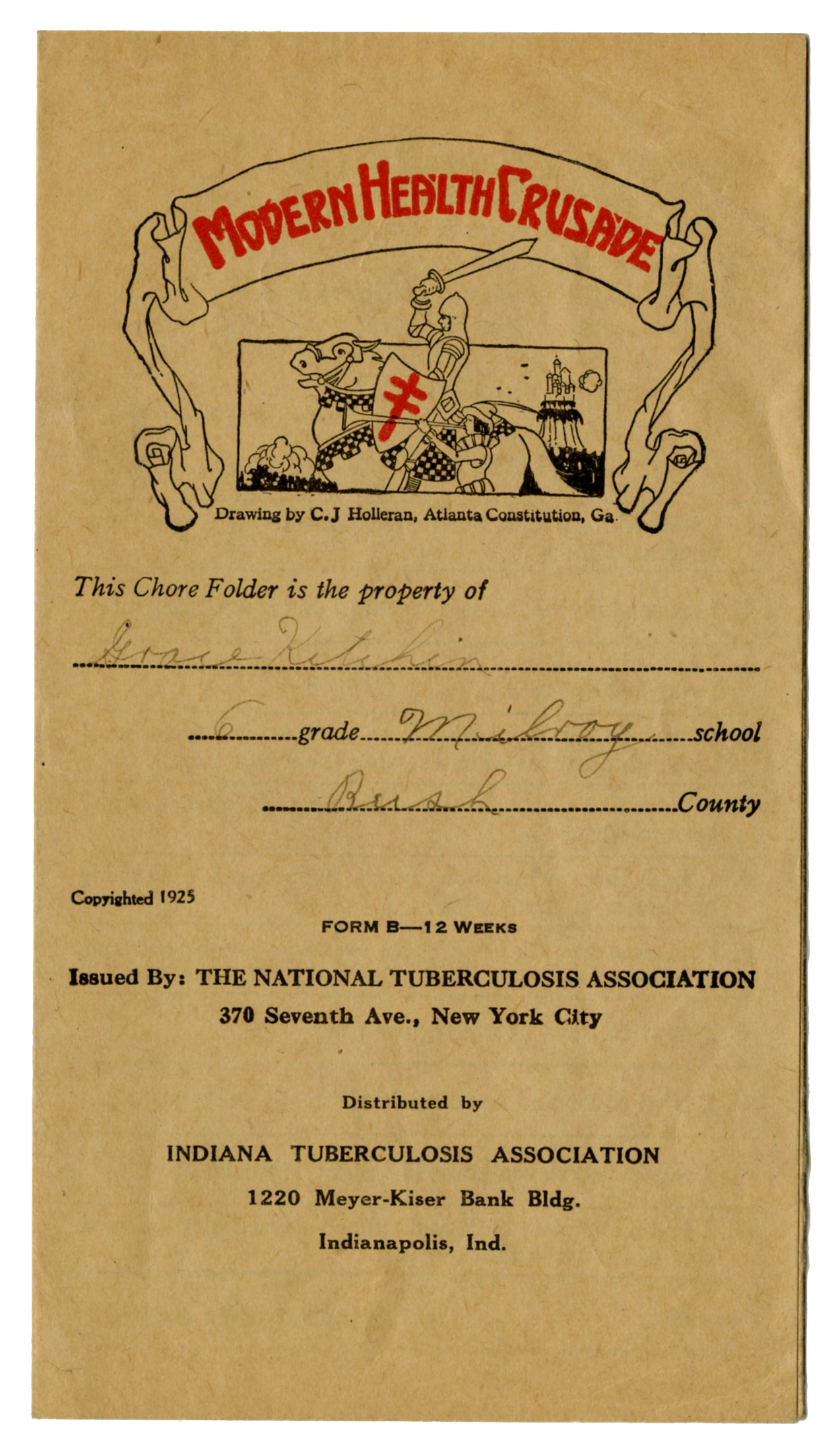
With tuberculosis a major public health crisis, BBF funded special beds for the Delaware County Tuberculosis Association and later supported a dedicated hospital wing. This initiative marked the beginning of a decades-long commitment, with foundation support extending into the 1970s as effective drug treatments reduced its impact.
1920s
Attribution: Indiana Historical Society
Mid–Late 1920s:
Expanding Community Grants
BBF’s board met frequently, approving grants for a range of organizations including Riley Memorial Hospital in Indianapolis, YWCA of Muncie’s “building fund,” and support for Ball Gymnasium at Ball Teachers College.
1920s
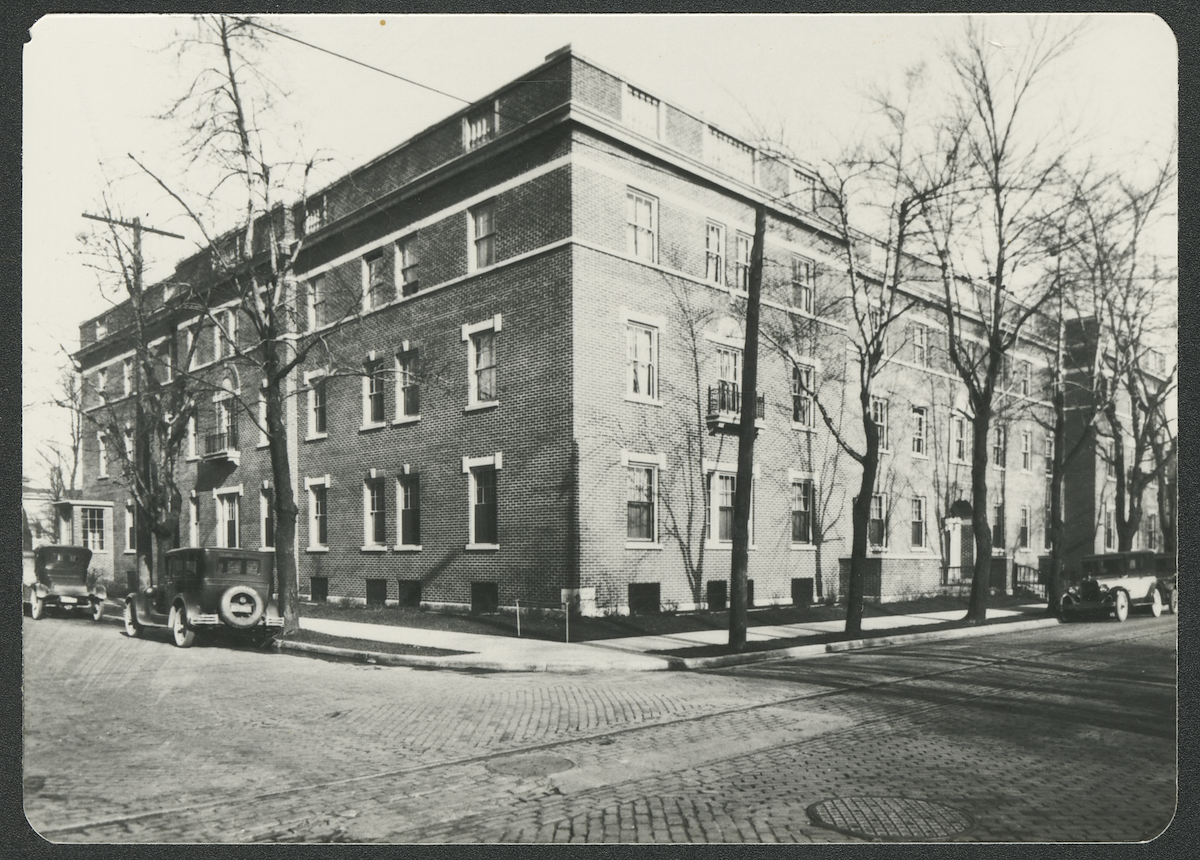
1929: Ball Memorial Hospital Opens
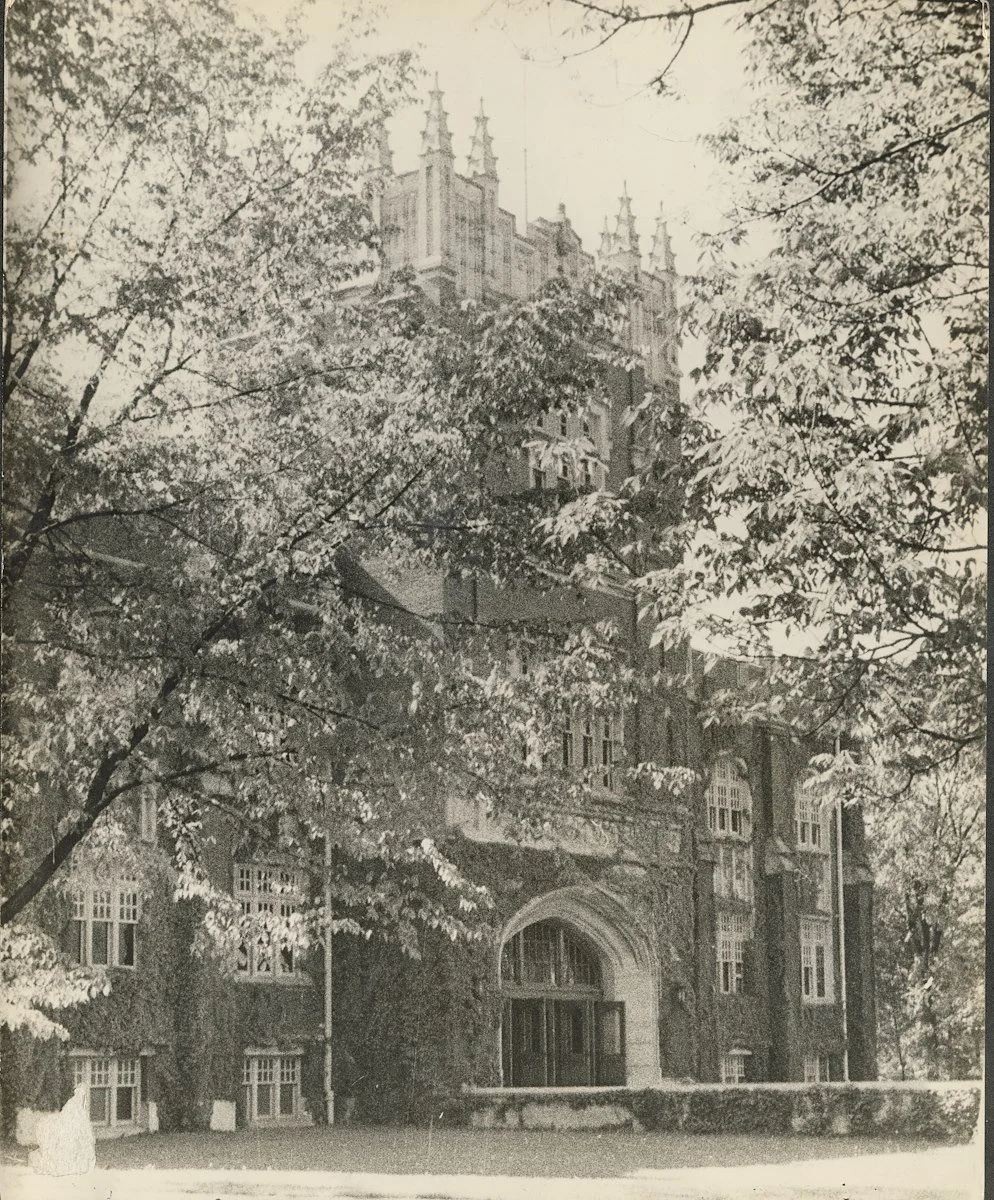
Ball Memorial Hospital opened in 1929 with 142 beds, becoming a cornerstone of healthcare in East Central Indiana. BBF’s early funding helped realize Edmund B. Ball’s vision of a modern teaching hospital in Muncie, a commitment that continues today through local support for medical education and future healthcare providers.
1920s
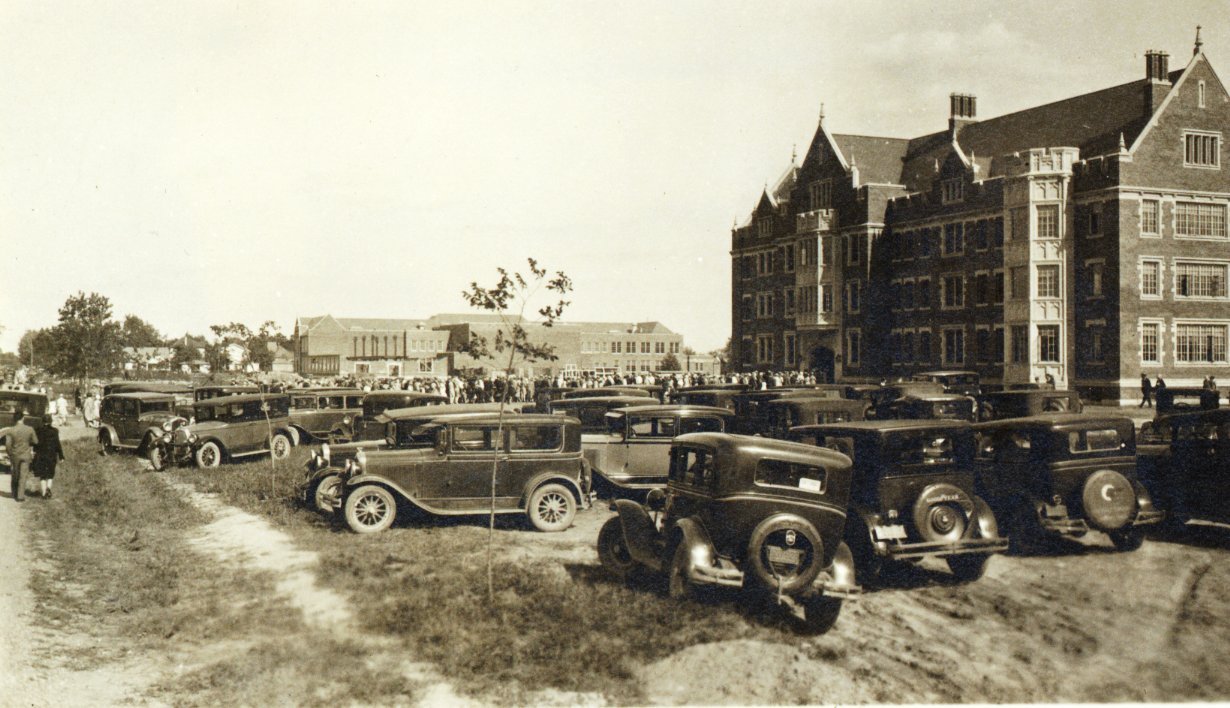
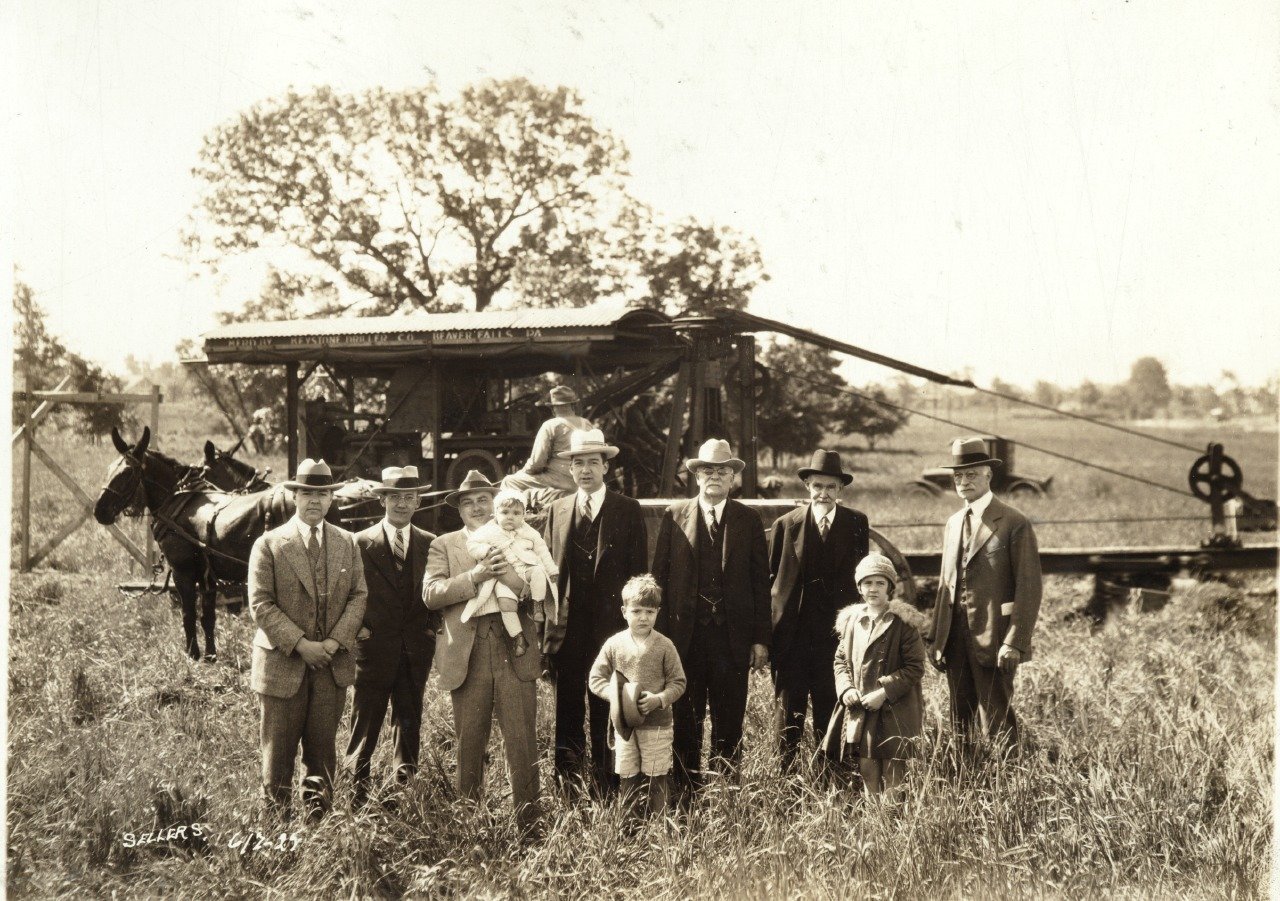
1931: Laying Groundwork for School and Public Spaces
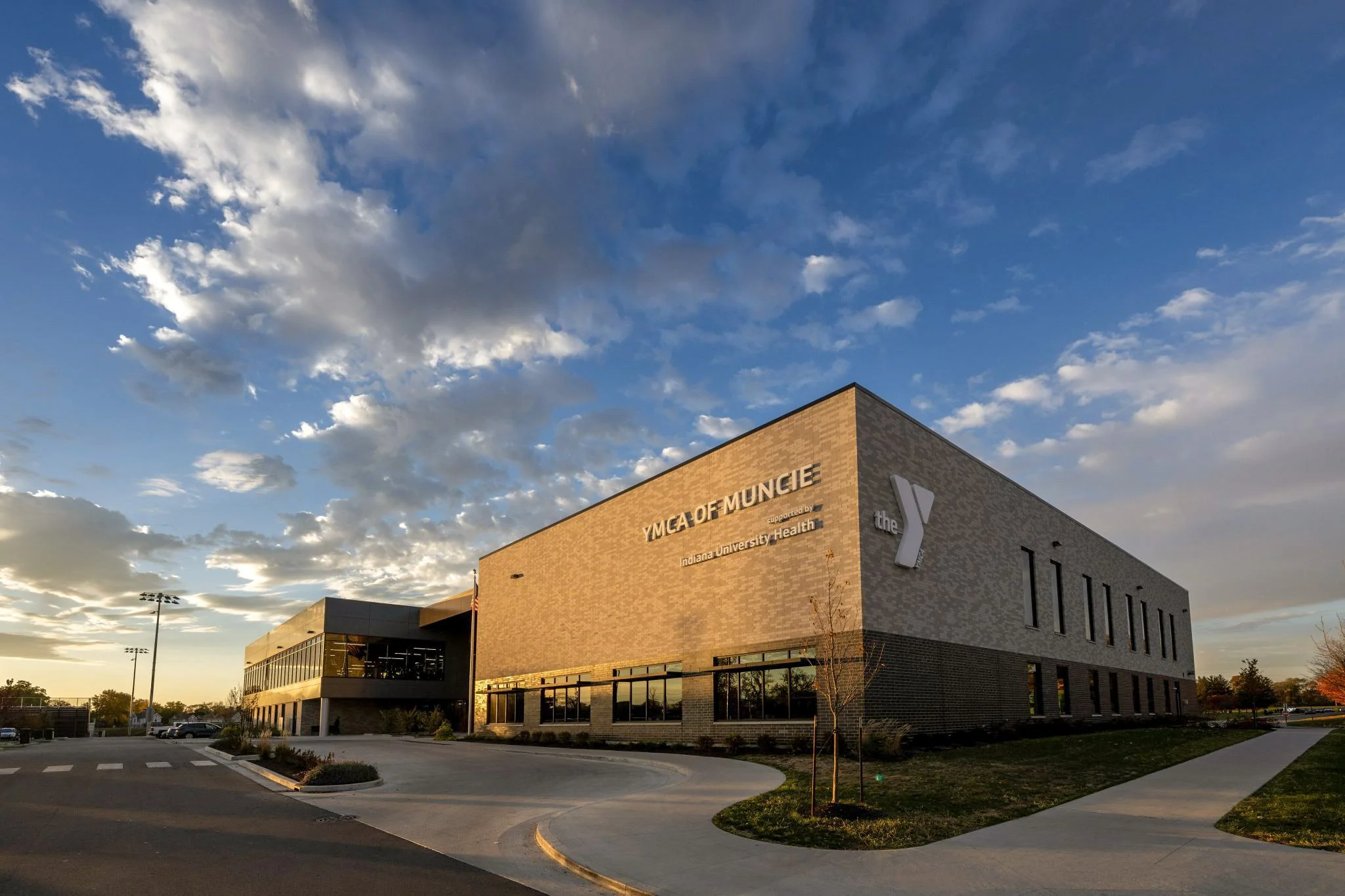
In 1931, BBF began exploring development of the land surrounding the Muncie Field House. A donation from George A. Ball launched a long-term vision for the northern edge of downtown, now home to Muncie Central High School and the new YMCA. Decades of planning shaped significant public and recreational spaces along the White River.
1930s

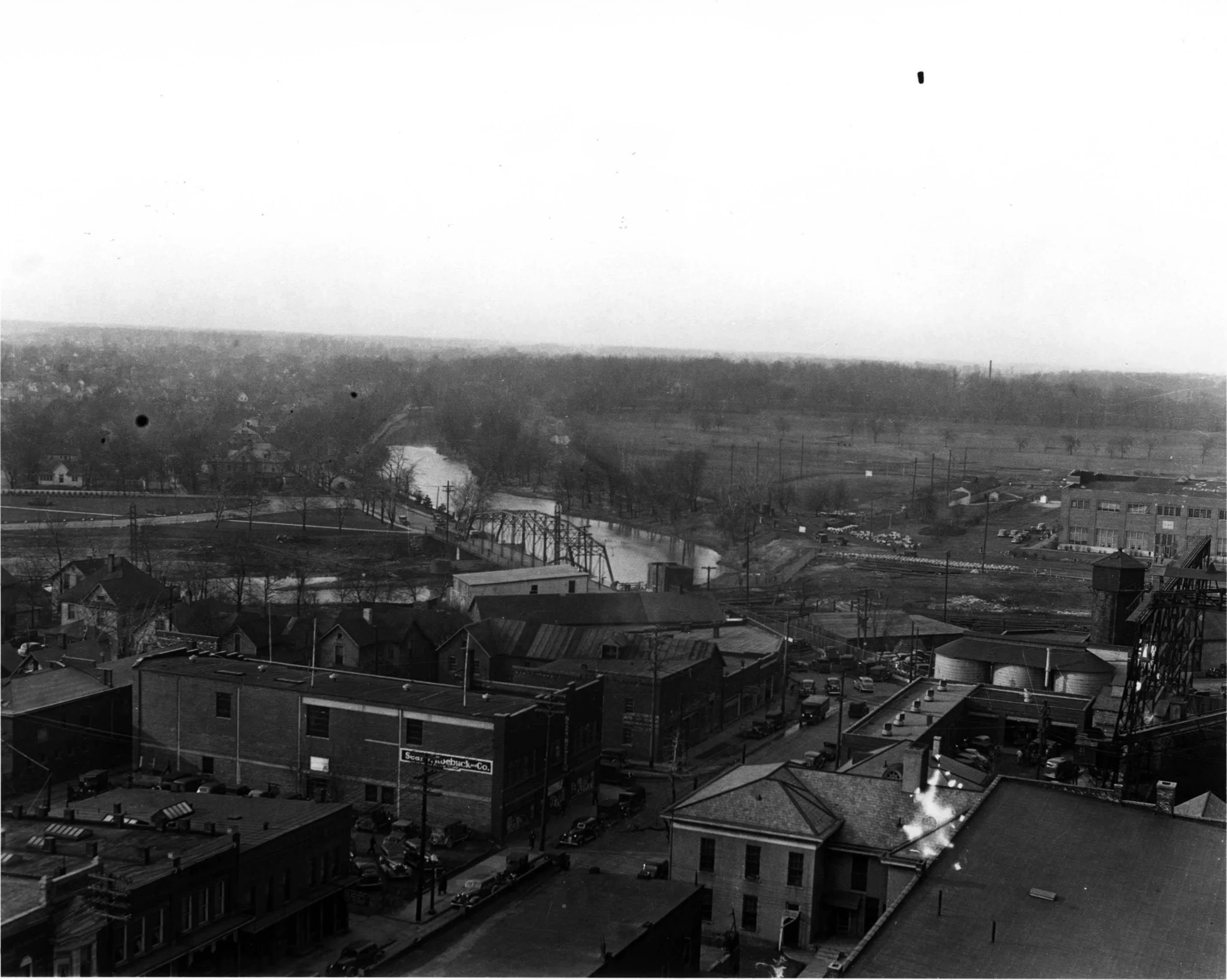
1936: Supporting Students at Ball State
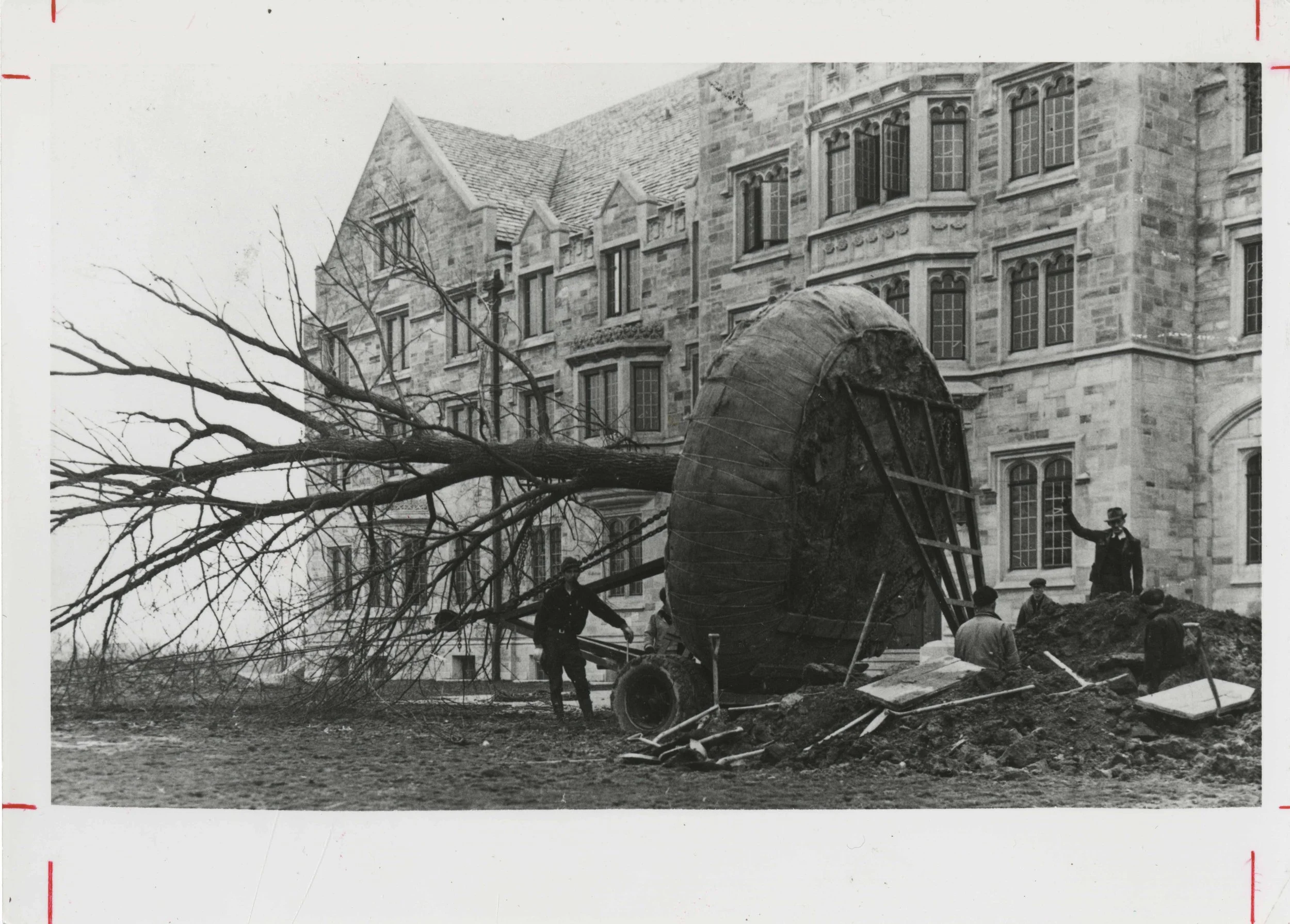
Following the untimely death of family member Frank Elliott Ball in a plane crash, BBF received life insurance proceeds and used a portion of the funds to build Elliott Hall, a men’s dormitory at Ball State Teachers College. This early investment reflected the foundation’s ongoing commitment to higher education in Muncie.
1930s
1941: Supporting Arts
Amid Wartime
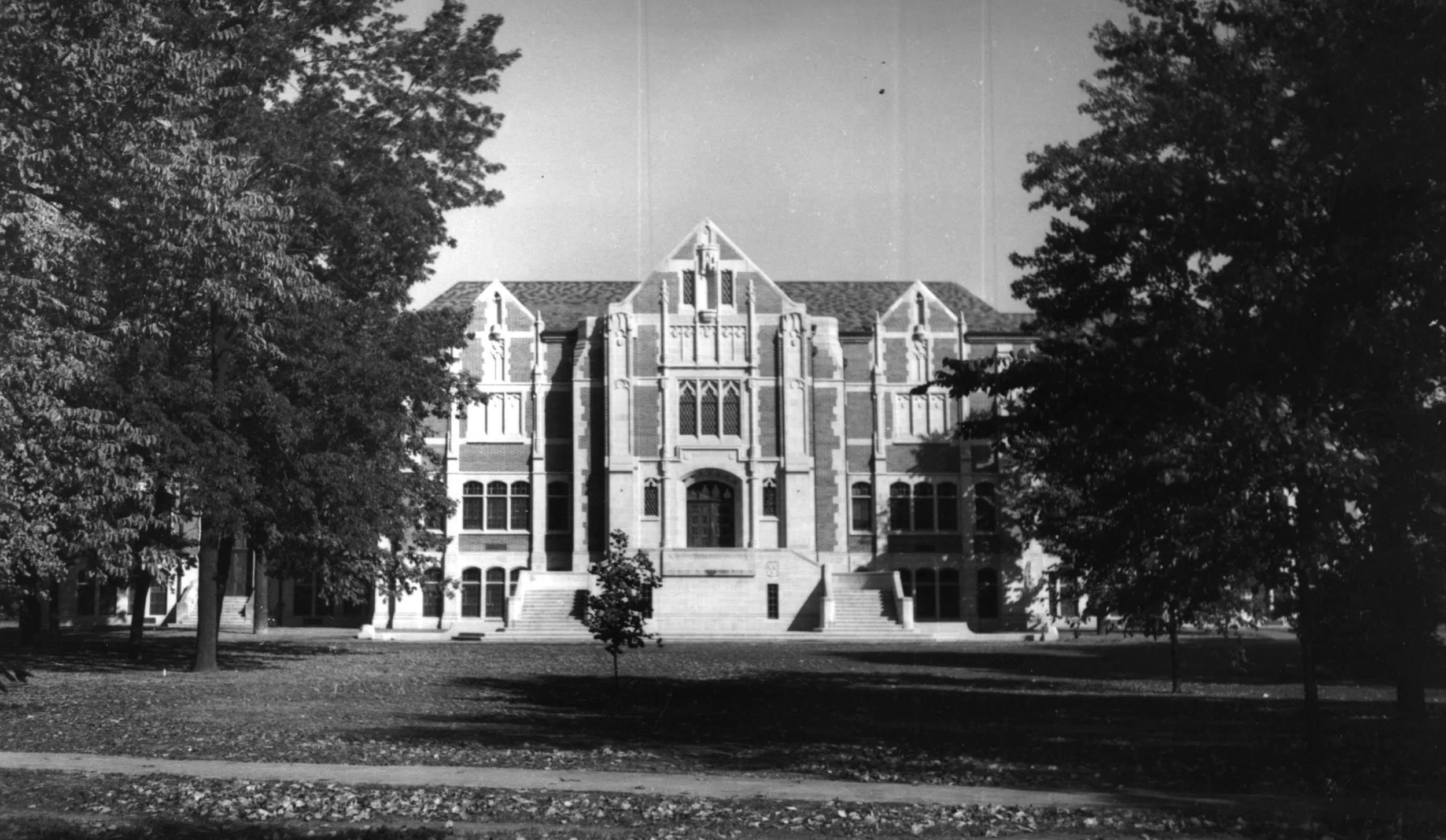
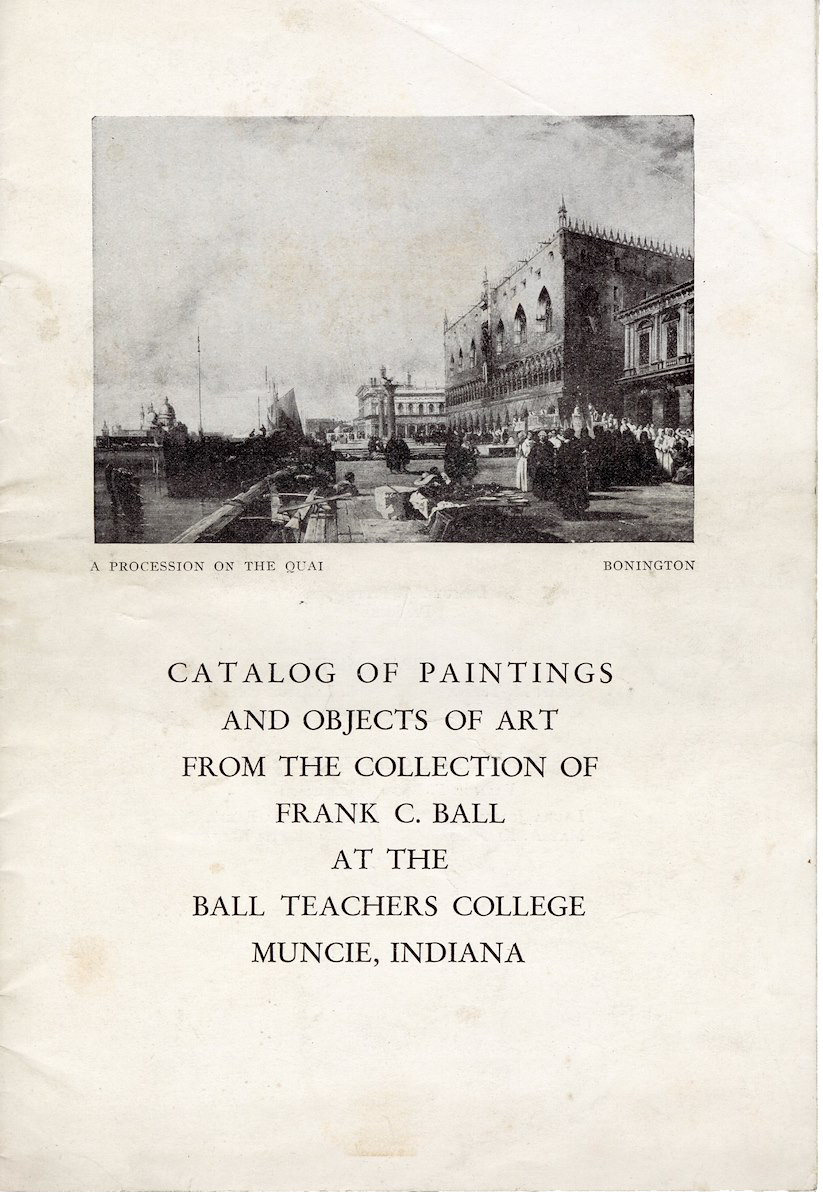
Even as World War II drew board members into service, BBF continued to support local arts and performances, including the symphony, while Ball Brothers Company retooled to produce .30 and .50 caliber shells, field batteries, diesel engine parts for landing barges and aircraft components. Family and foundation art was loaned to Ball State Teachers College, reflecting the ongoing value placed on cultural enrichment in the midst of global turmoil.
1940s
1946/1947: Expanding Outdoor Recreation Locally and Across the State
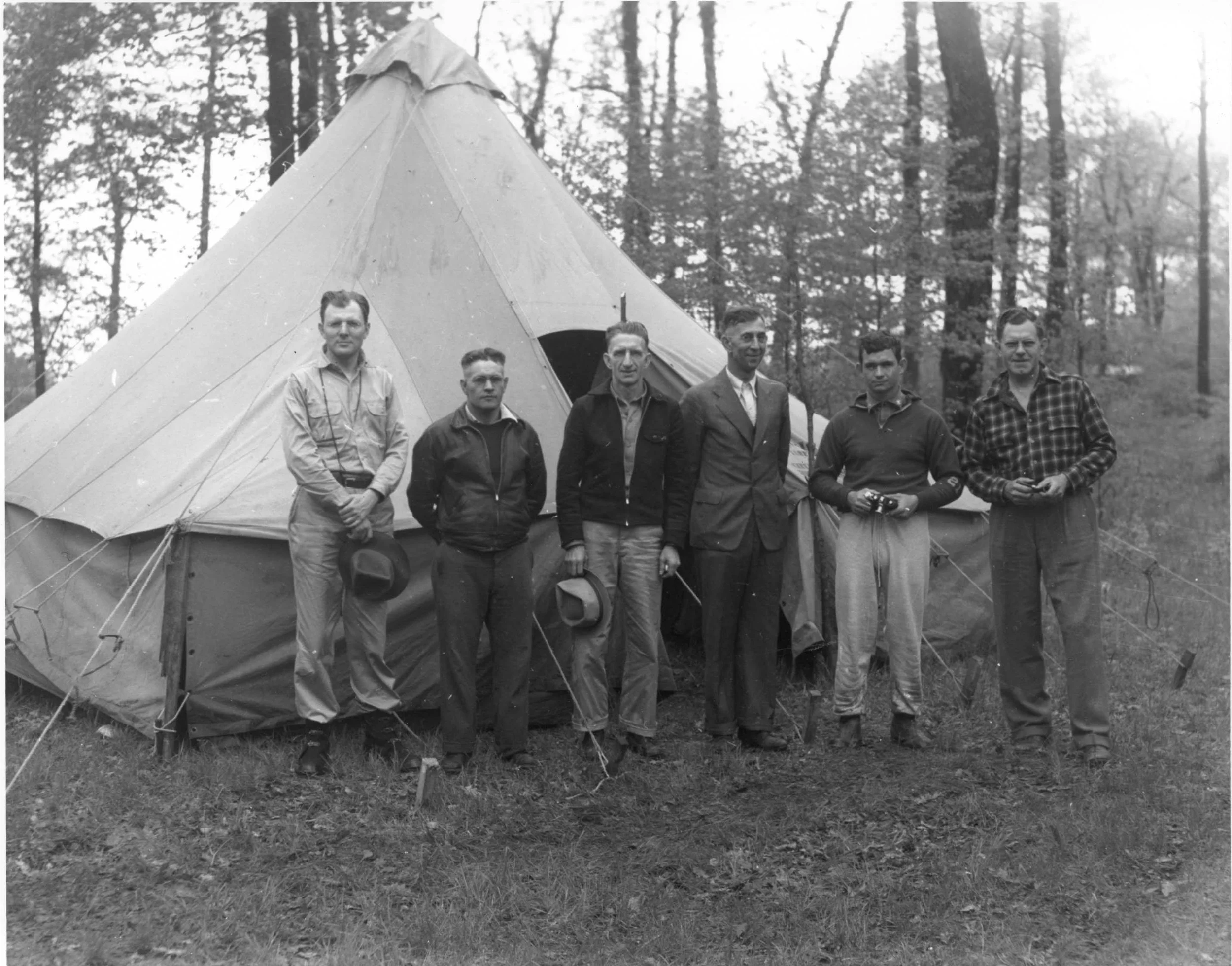
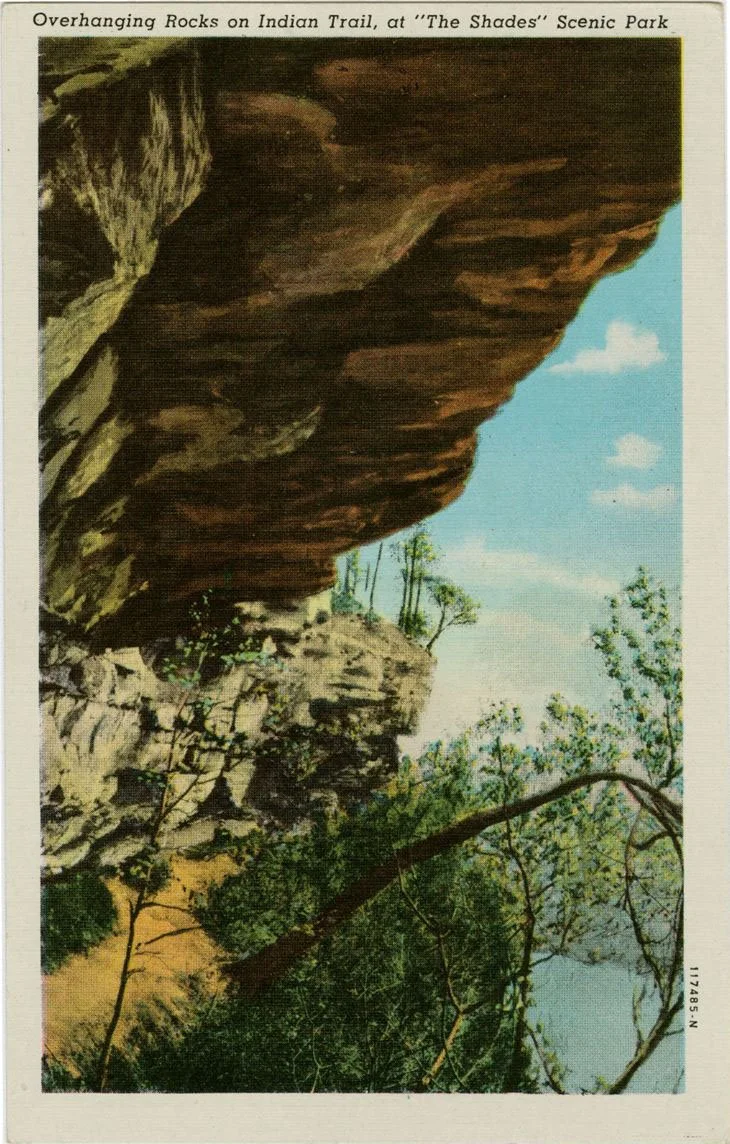
Building on a longstanding interest in outdoor recreation and education, BBF funded the purchase of land adjacent to Camp Redwing, a Boy Scout camp southeast of Muncie. The foundation’s interest in this same area continues to the present day with support for mountain bike trails and other amenities around Prairie Creek Reservoir. In the mid-1940s, the foundation also awarded funds to help the state of Indiana create Shades State Park in western Indiana, known for its stunning sandstone cliffs.
1940s

Attribution:
Indiana Historical Society
1947/1948: Advancing Teacher Education in Post-War Years
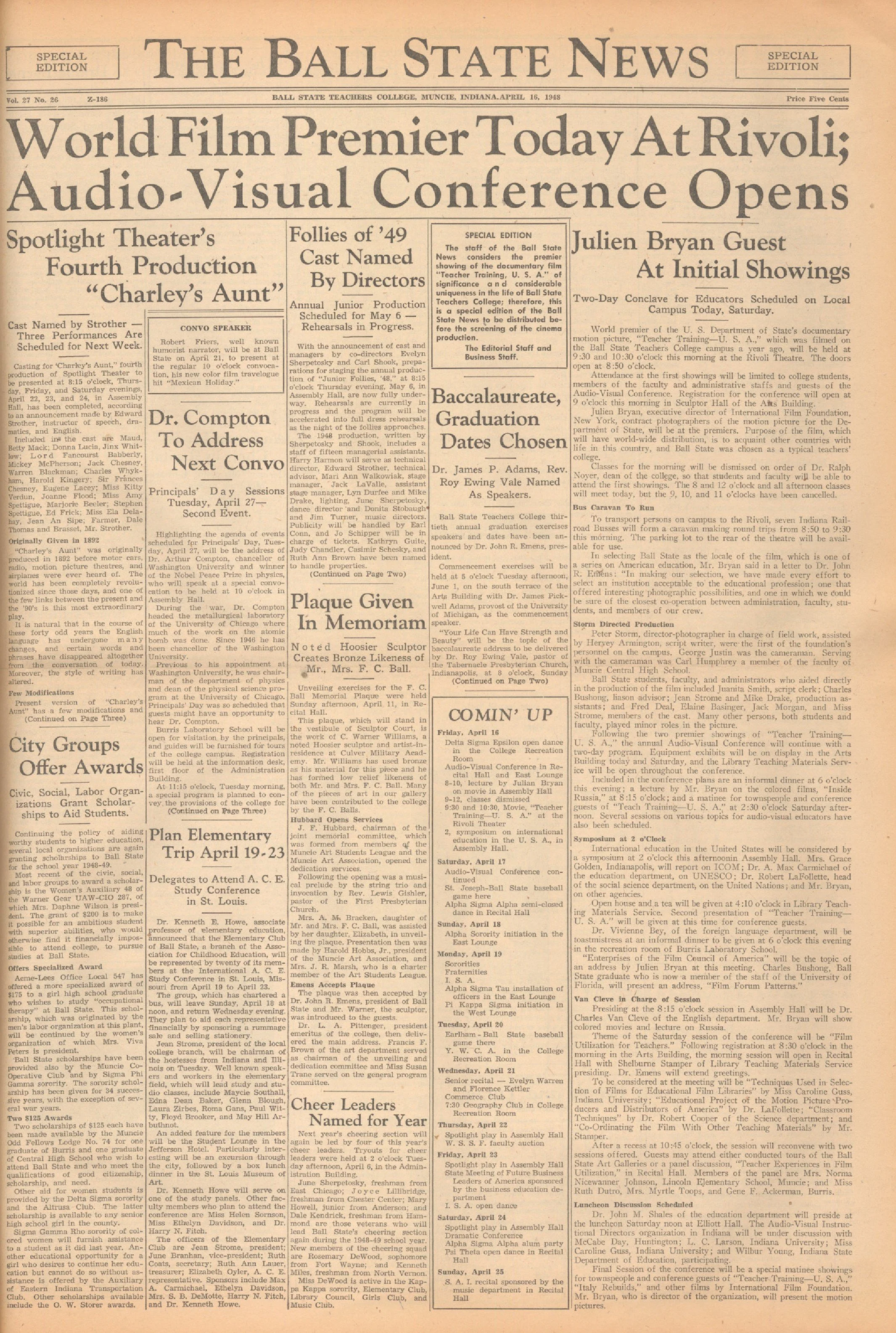
As Ball State continued to gain a national reputation as a leader in teacher education, BBF supported high school students preparing to teach and helped faculty connect with conference travel—support that continued for years. The foundation also funded a film showcasing students, faculty members, buildings, campus and values of college for distribution to high schools and other organizations interested in teacher education.
1940s
1951: Supporting Independent Colleges Statewide
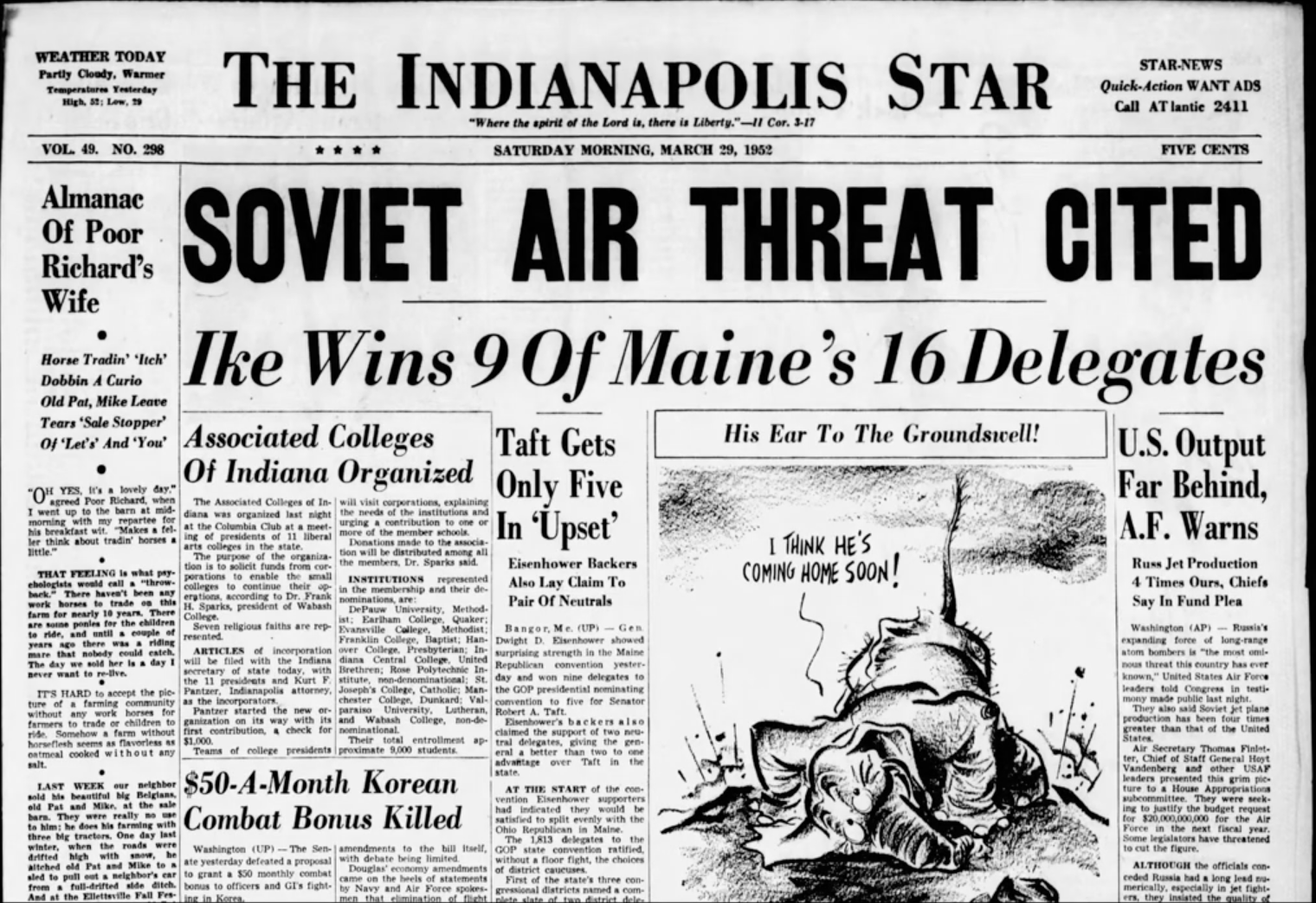
BBF provided early funding to what is now Independent Colleges of Indiana, supporting special projects at private colleges. Today this support comes through the Ball Venture Fund, a program advancing creative ideas and innovation across campuses statewide through an annual competitive grant competition.
1950s

1950s: Expanding Healthcare in Muncie
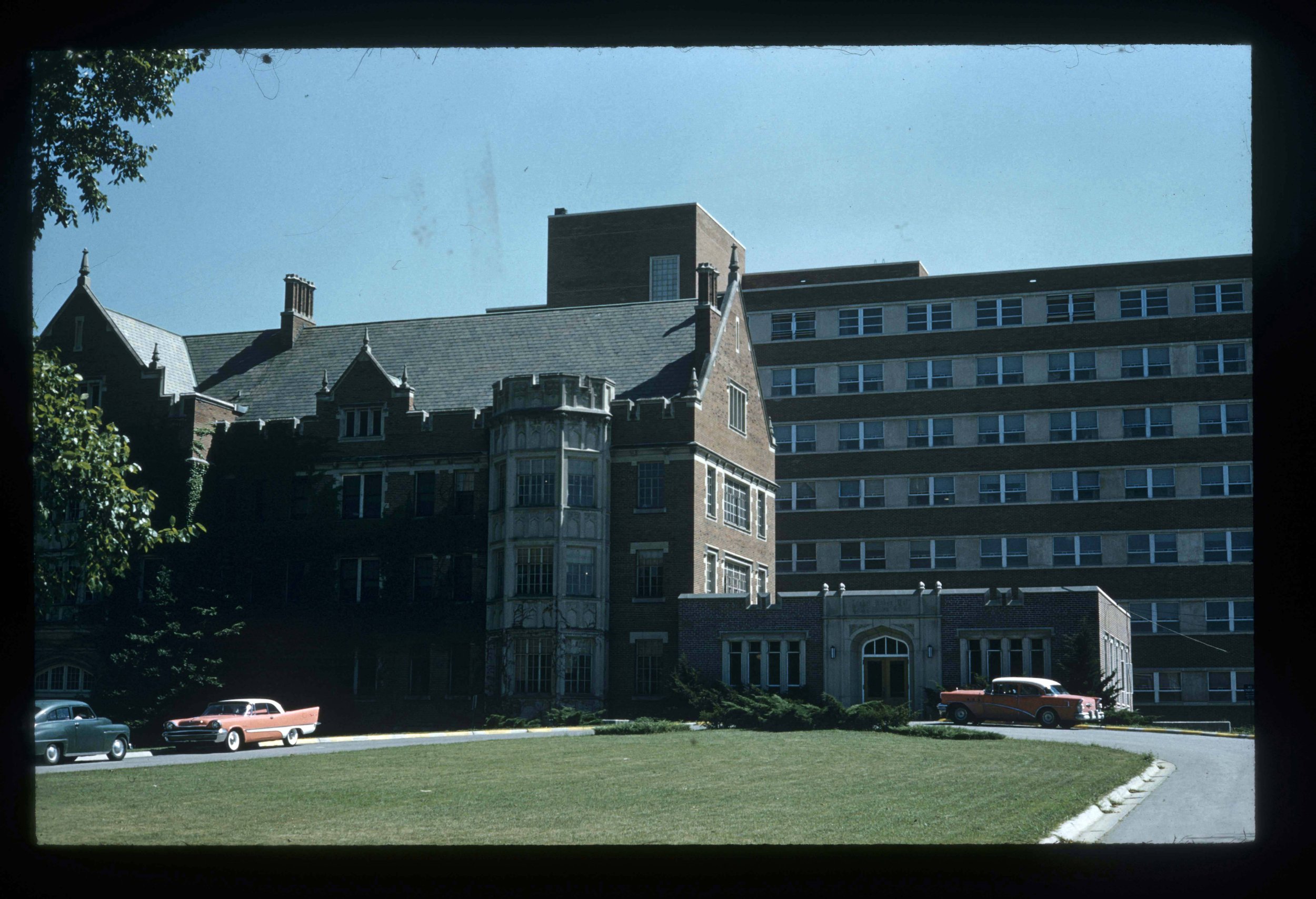
As Ball Memorial Hospital grew, BBF supported major expansions, including a children’s wing and renovations to the Edmund B. Ball Medical Education Building. The foundation also sold land for development as medical intern housing at Gilbert & Cole streets (now home to the Family Medicine Residency Center). This kicked-off the foundation’s ongoing support for medical student housing which continues today.
1950s
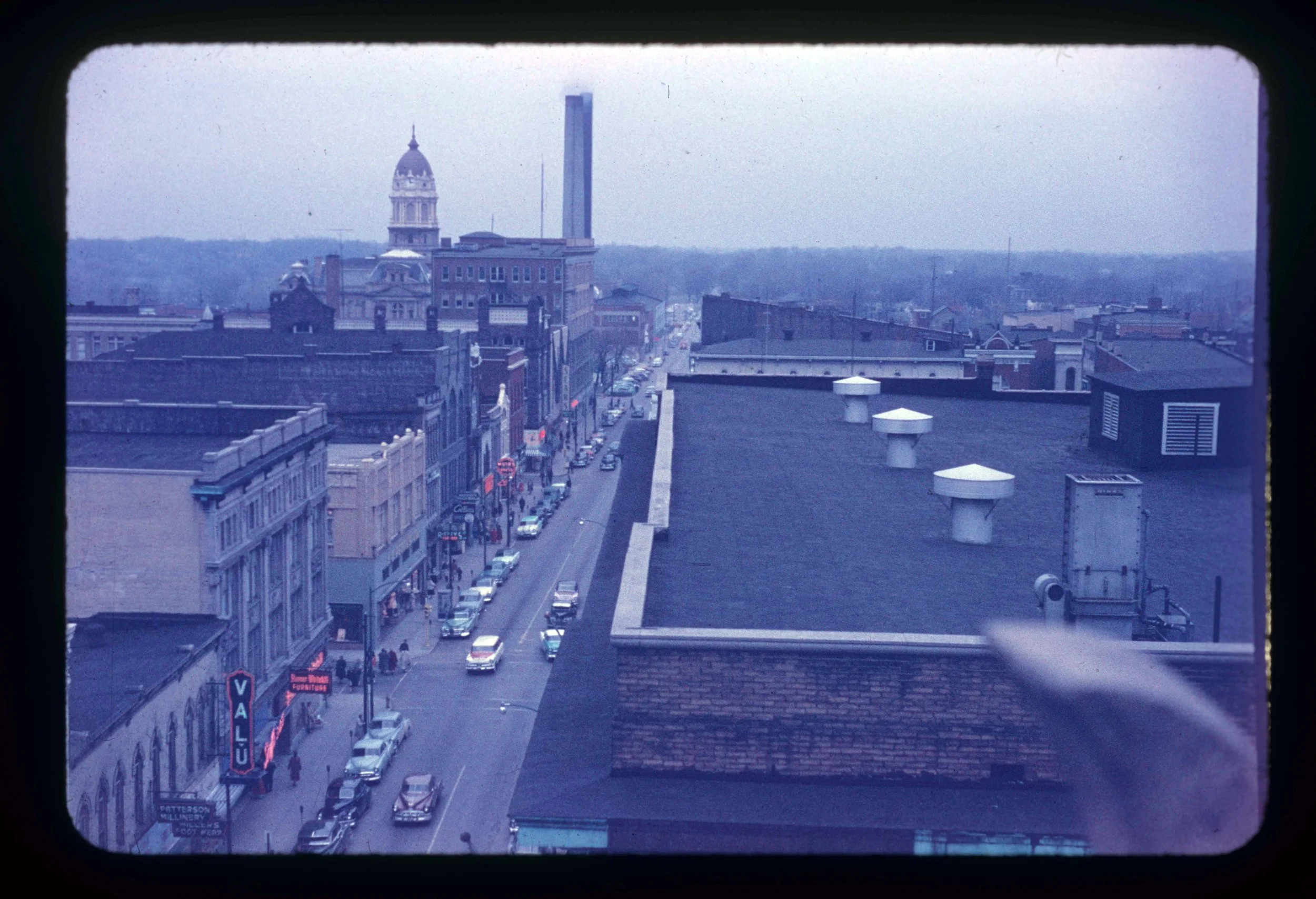
1960: Planning for Downtown’s Future
BBF supported the City of Muncie’s Comprehensive Redevelopment Plan, helping establish a vision for downtown. That early planning effort—along with many that followed—continues to shape revitalization work today, with decades-ago ideas still coming into shape.
1960s
1963: Building a Cultural Landmark
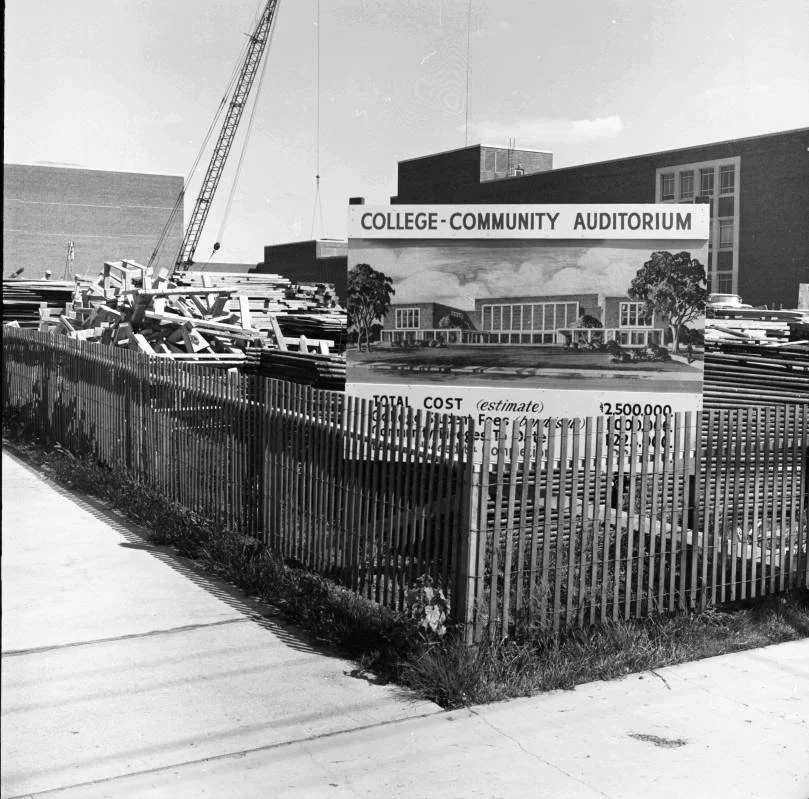
BBF joined thousands of local citizens in supporting Ball State’s first official “capital campaign,” providing a grant for the College-Community Auditorium (now Emens Auditorium). The 3,000+ seat performance hall was part of a dream to create a “campus of the future.” Since opening, Emens has welcomed millions of visitors and world-renowned artists and is a cherished landmark in East Central Indiana. The foundation later supported a major renovation to Emens Auditorium fifty years after the original construction.
1960s
1964: Funding to Guide Hospital Growth
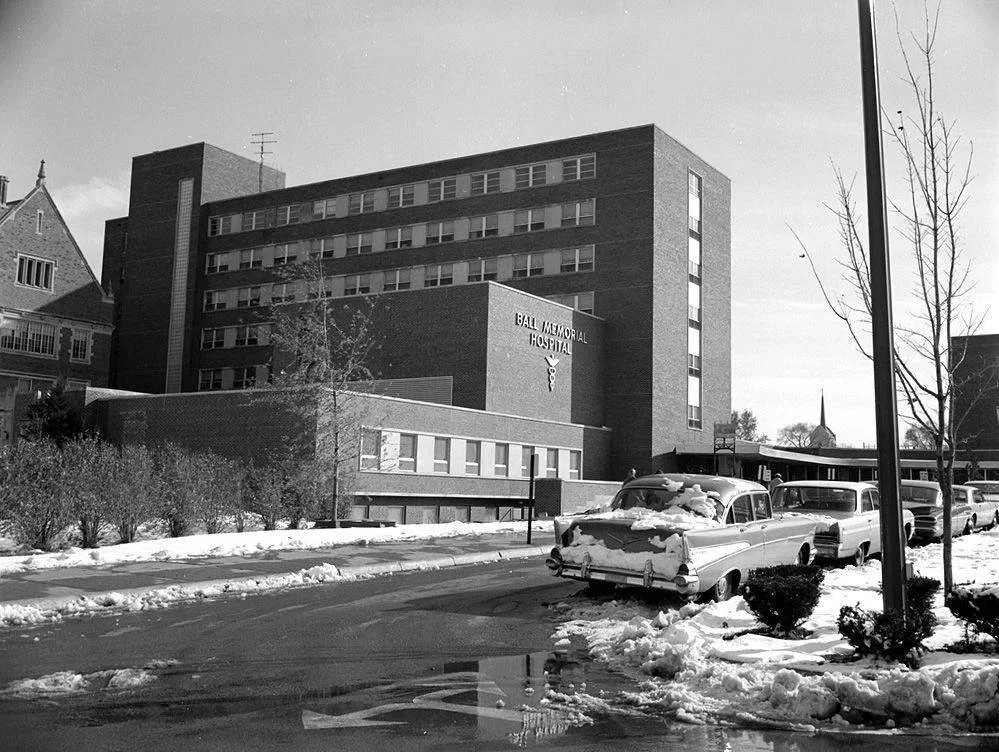
BBF funded a master plan for Ball Memorial Hospital that boldly envisioned expansion through the year 2000. While the hospital campus has grown significantly since, it remains in the same west side location established in the 1920s—a lasting anchor for healthcare in Muncie.
1960s
1970s: Shaping the
Future of Minnetrista
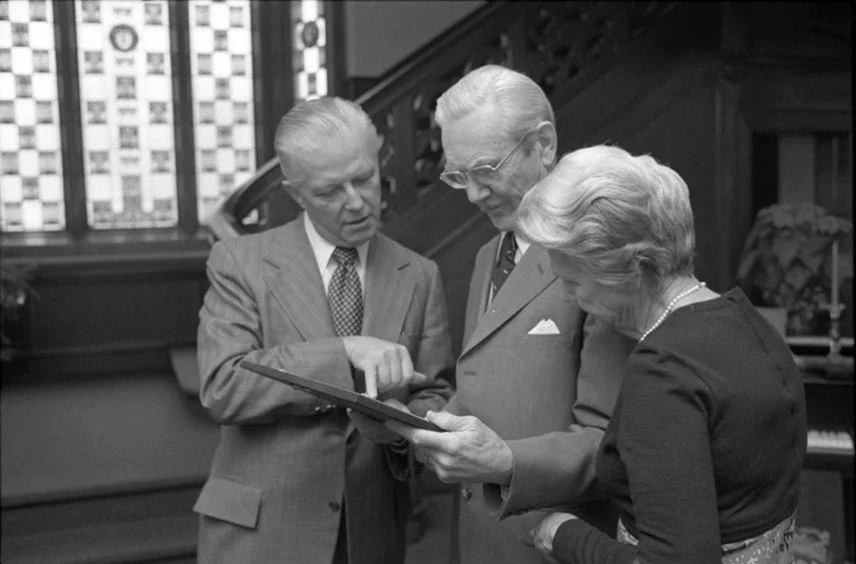
After a fire destroyed the historic Frank & Elizabeth Ball home in the late 1960s, the foundation and family members began long-term planning for the remaining Ball brothers’ historic homes along Minnetrista Boulevard. Early steps included preserving the columns from Frank and Elizabeth’s ruined mansion, gifting the E.B. & Bertha C. Ball home to Ball State University Foundation, and laying the groundwork for what would become Minnetrista Museum and Gardens a decade later.
1970s
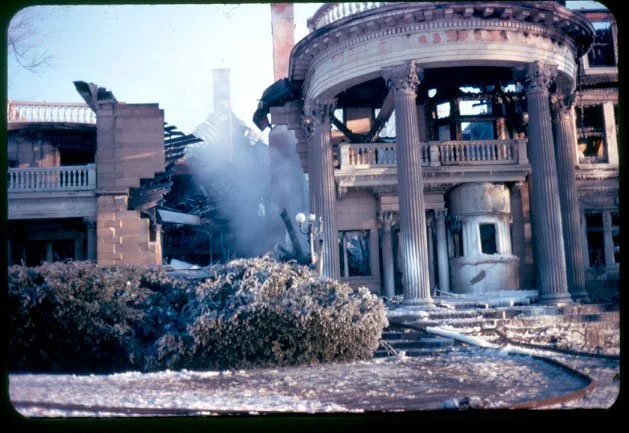
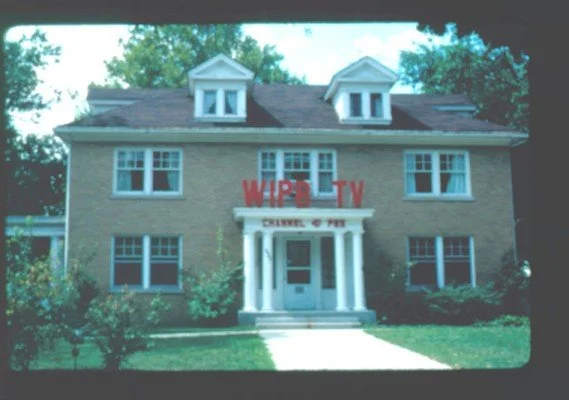
1970: Expanding Broadcasting & Establishing Local PBS Station
With BBF board member Edmund F. Ball serving as an organizing member of the national Public Broadcasting System, BBF supported Ball State’s Educational Broadcasting program and gave funding to help establish a public television station in Muncie. In 1974, the foundation gifted one of the historic homes on Minnetrista Boulevard—the LL Ball home—for the public television studio. Bob Ross would later film most of his famous “Joy of Painting” episodes here. Today, the foundation continues to support a range of special academic programs in broadcasting.
1970s
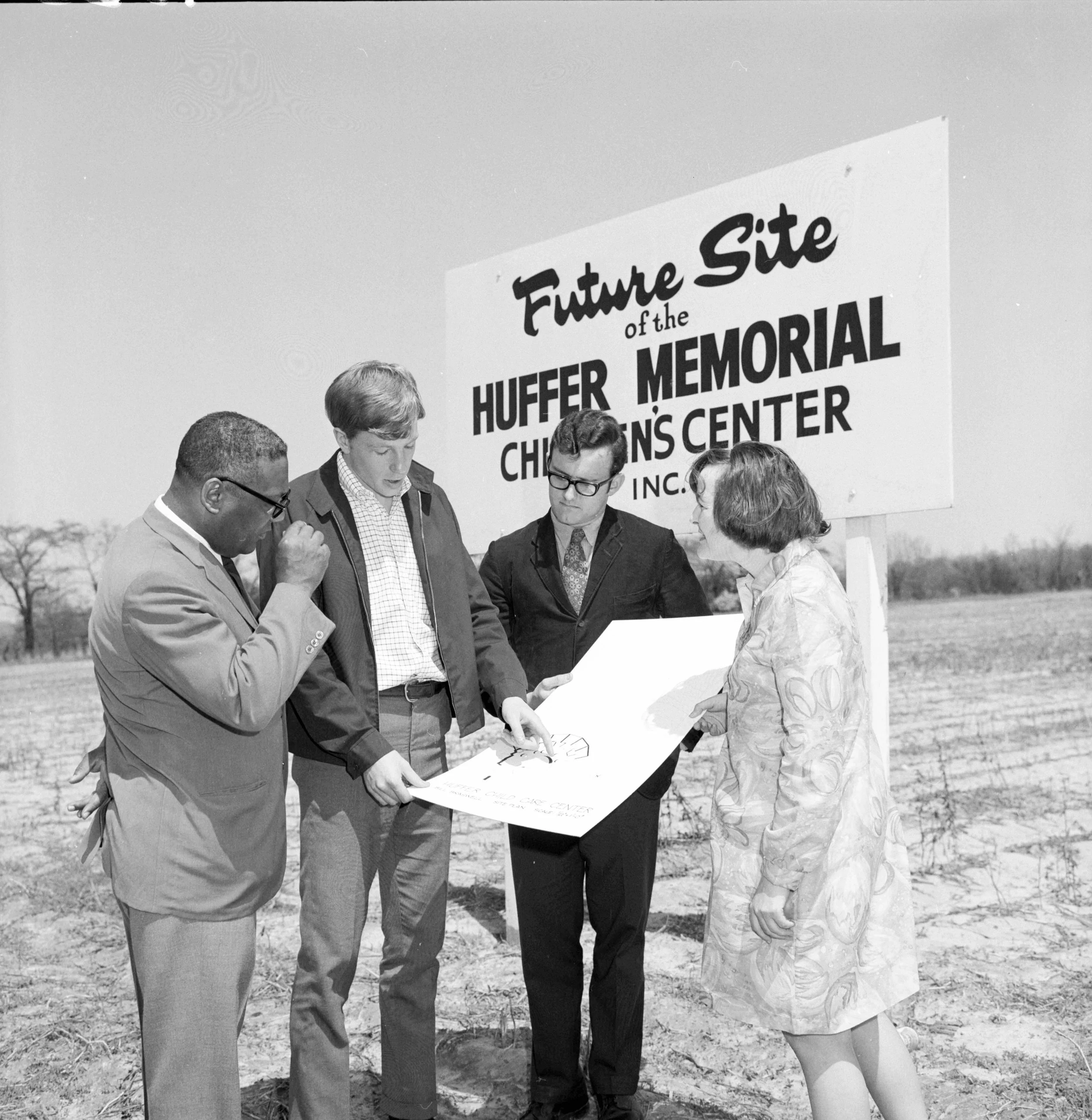
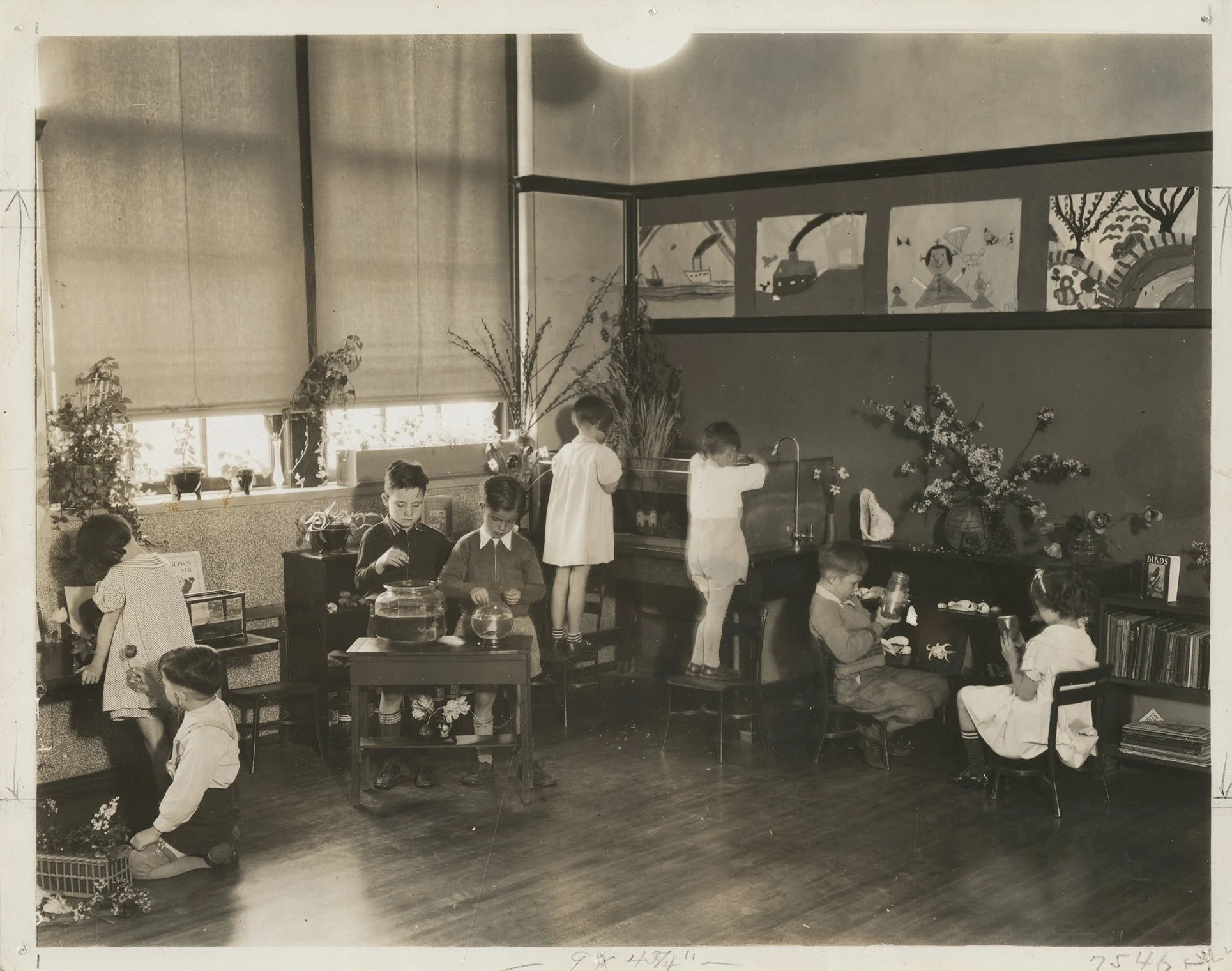
1971: Initial Support for Early Childhood Care
BBF contributed to the construction of Huffer Memorial Children’s Center in Muncie’s Whitely Neighborhood, alongside federal support. The center expanded access to care and early learning for children and families in Muncie, marking the start of the foundation’s early childhood giving, now spanning more than 50 years.
1970s
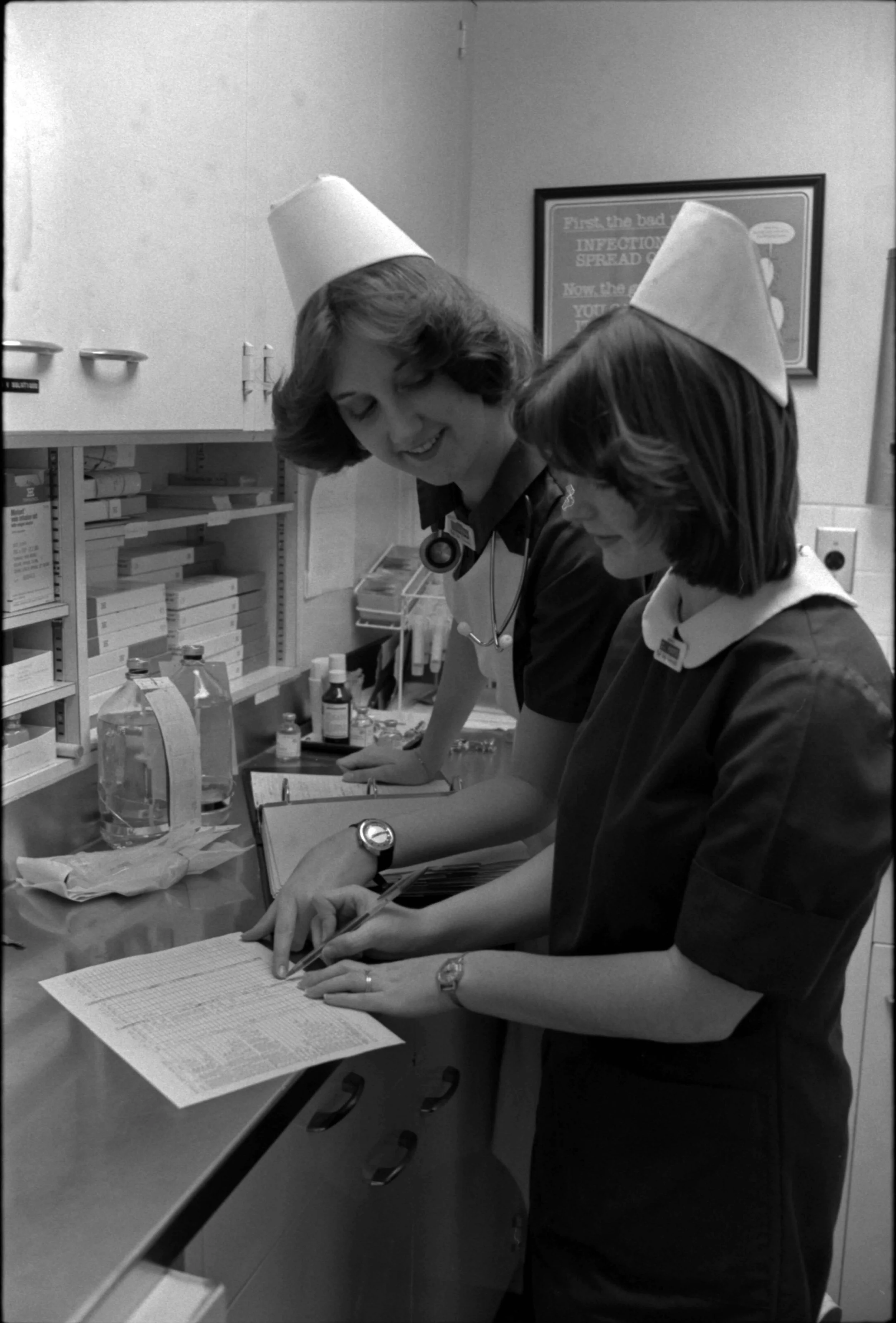
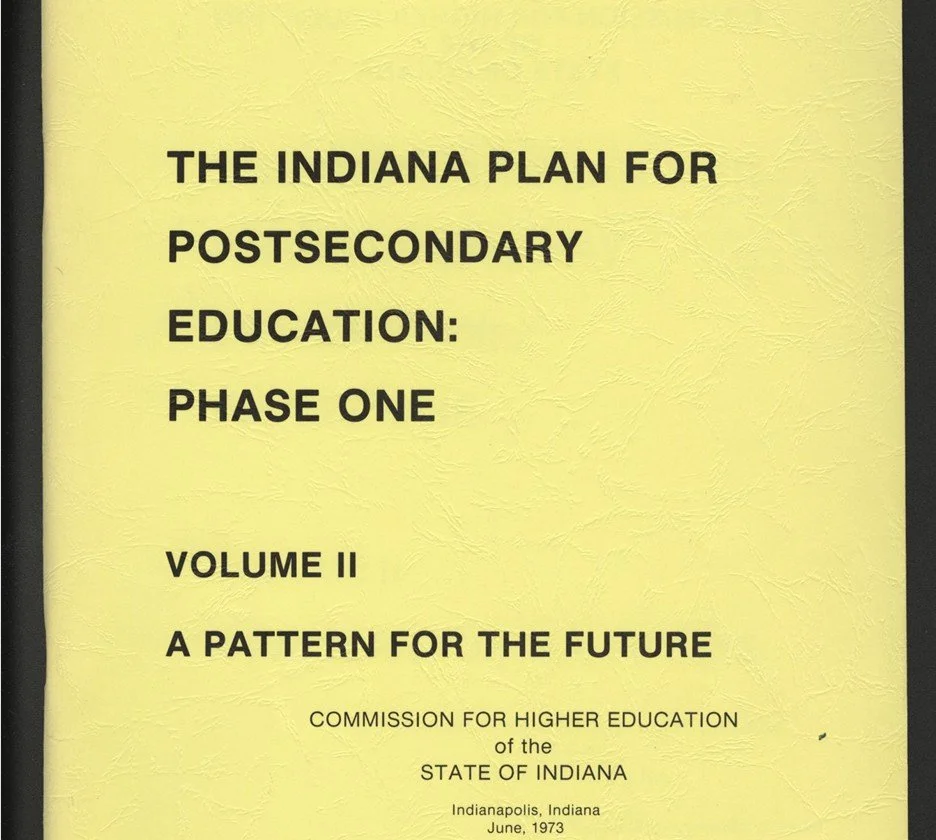
1974: Studying Healthcare Careers
BBF supported a statewide study on health career education through the Indiana Commission for Higher Education. The work informed efforts to strengthen Indiana’s healthcare workforce pipeline, a special interest of the foundation that continues today.
1970s
1976/1977: Preserving History and Supporting the Humanities
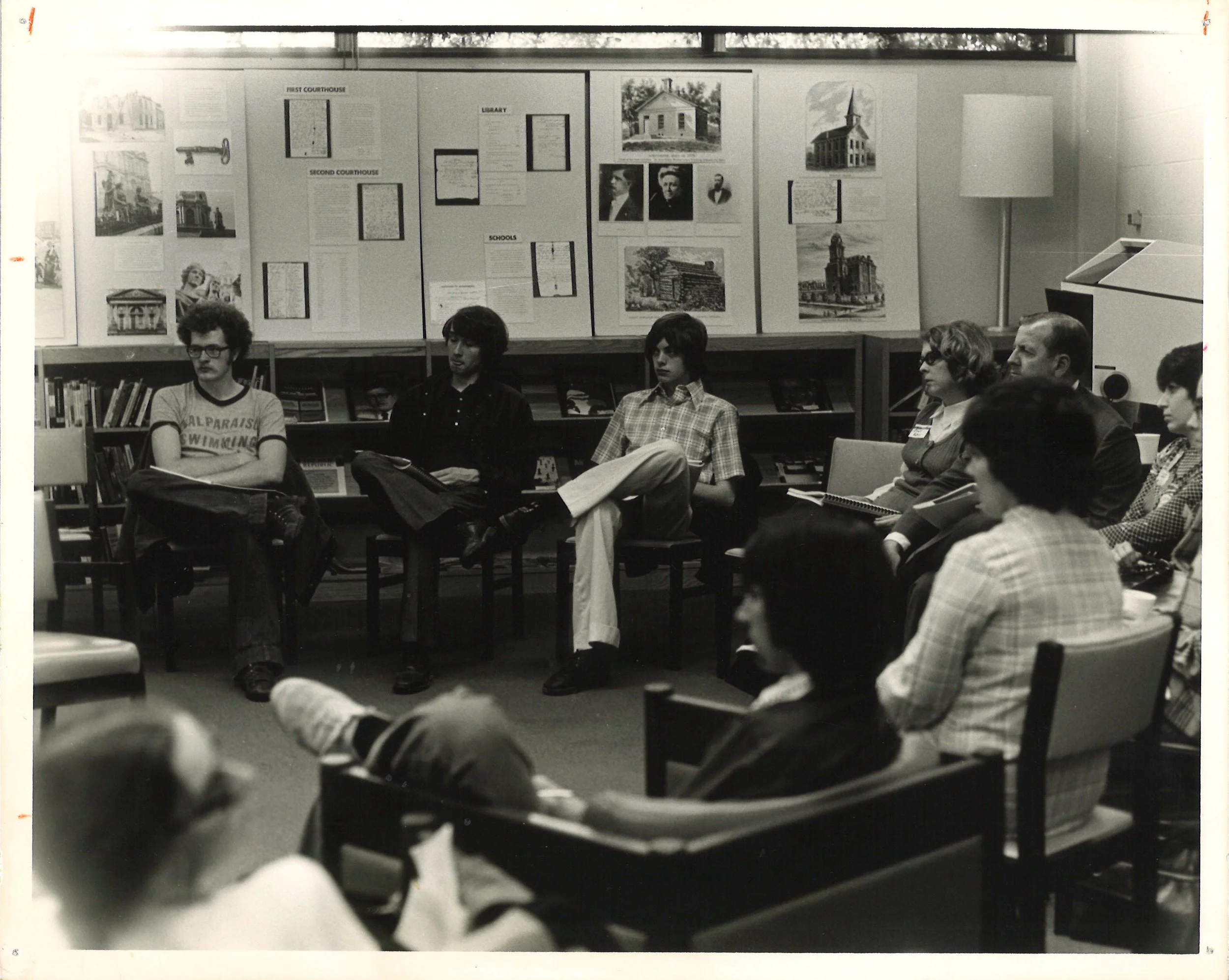
BBF helped Indiana University acquire a rare first printing of the U.S. Constitution in honor of the nation’s bicentennial, reflecting a commitment to civic learning and American history. Around the same time, Ball family member Virginia Ball helped establish the Indiana Committee for the Humanities (now Indiana Humanities), and BBF provided a small early grant to support programs that connected communities to history, culture and ideas—laying a foundation for public humanities across the state.
1970s
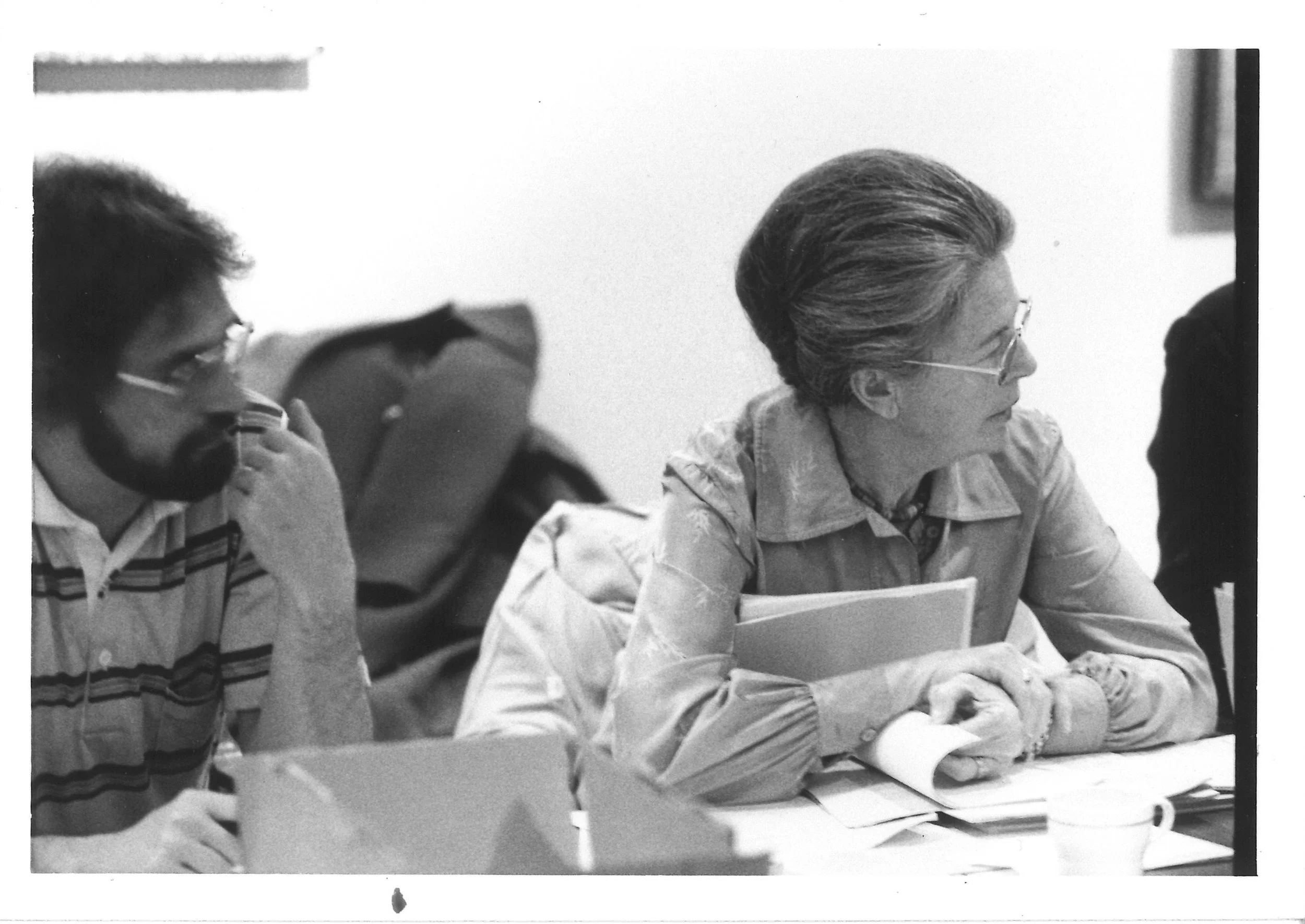
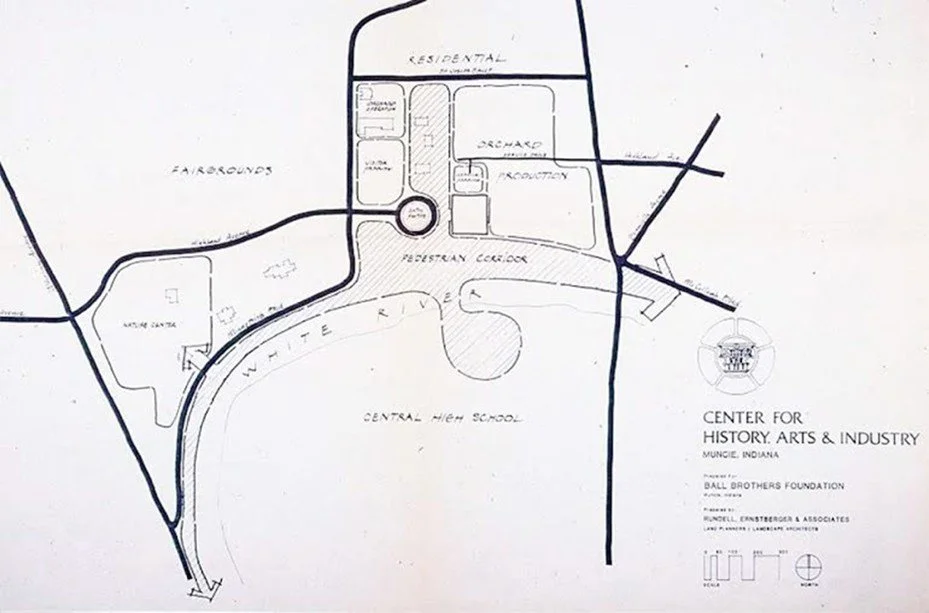
1982: Planning Minnetrista’s Future
BBF began formal planning for what would become Minnetrista Museum & Gardens. The effort was built on a vision to create a place to preserve regional and family history, house collections, and serve as a cultural center. The foundation hired consultants, architects, and landscape designers to explore possibilities and bring the idea to fruition.
1980s
1983: Building a Statewide Network for Philanthropy
BBF became a founding member of Indiana Donors Alliance, now known as the Indiana Philanthropy Alliance. With BBF’s then-Executive Director serving as board chair of IDA, the organization quickly grew into a statewide network where foundations could learn from one another and strengthen the impact of philanthropy across Indiana. BBF remains an active member of IPA.
1980s
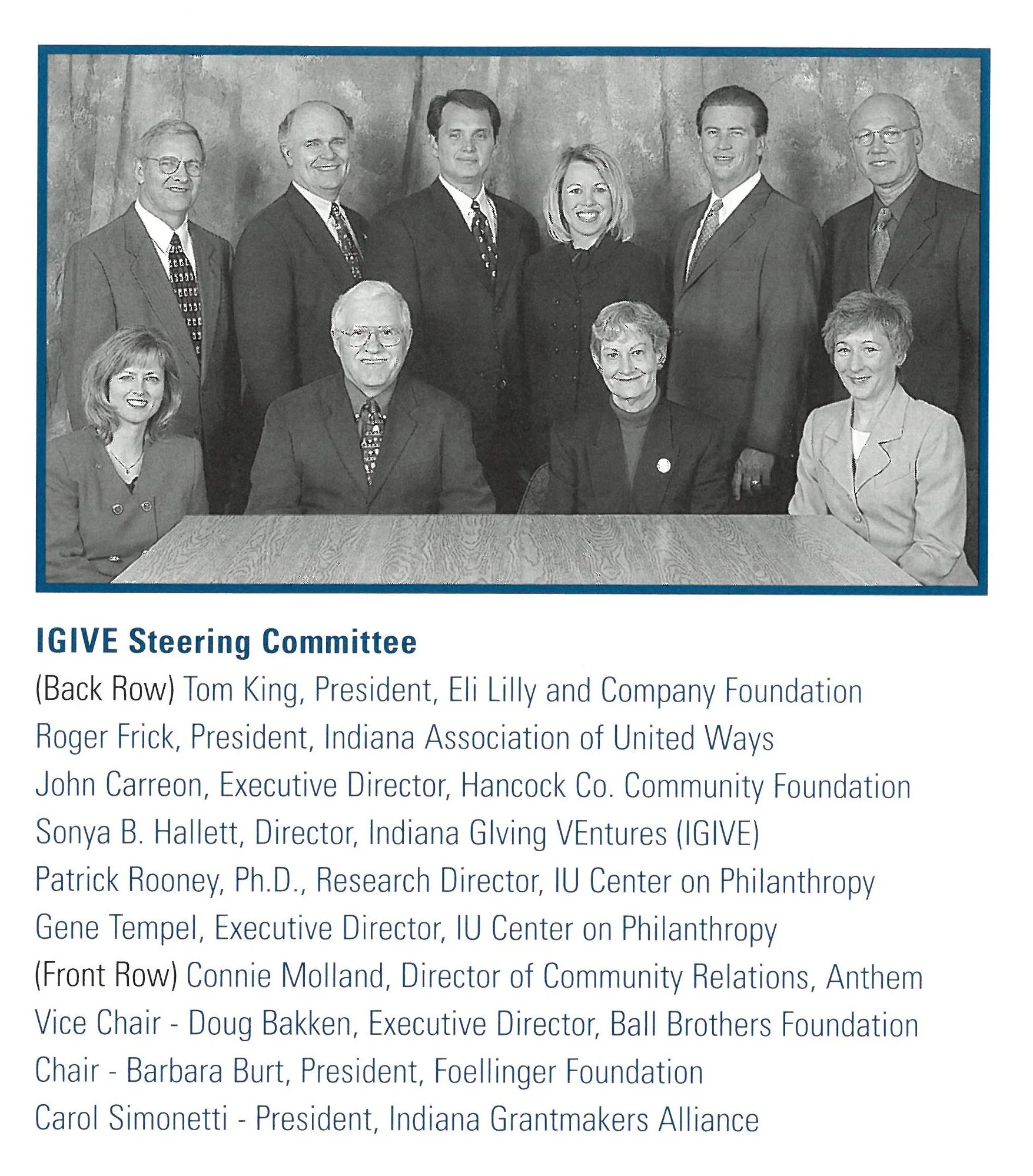
1985: Challenging the Community to Create a Community Foundation
Ed Ball, BBF, and members of the Ball family challenged the greater Muncie and Delaware County to create a community foundation, offering a $1 million match. The goal was met within a year. In fall of 1986, the Community Foundation of Muncie & Delaware County began disbursing grants across the county. The foundations continue to collaborate today.
1980s
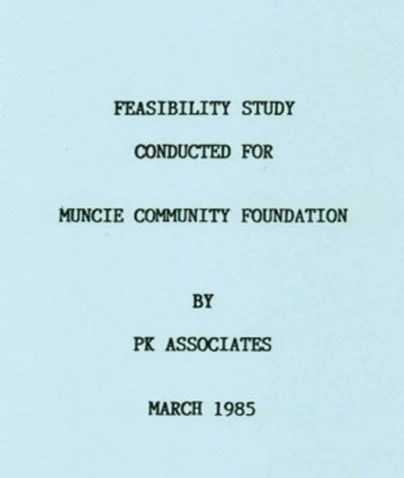
1987/1988: A New Home in Downtown Muncie
BBF moved into the new Ball Associates building at Adams and Mulberry streets on the historic site of the Rivoli Theatre. The foundation shared space in the building with several Ball family businesses and a sister foundation, the George and Frances Ball Foundation. The dedicated space supported BBF’s growing work and reflected its long-term and ongoing commitment to downtown Muncie.
1980s
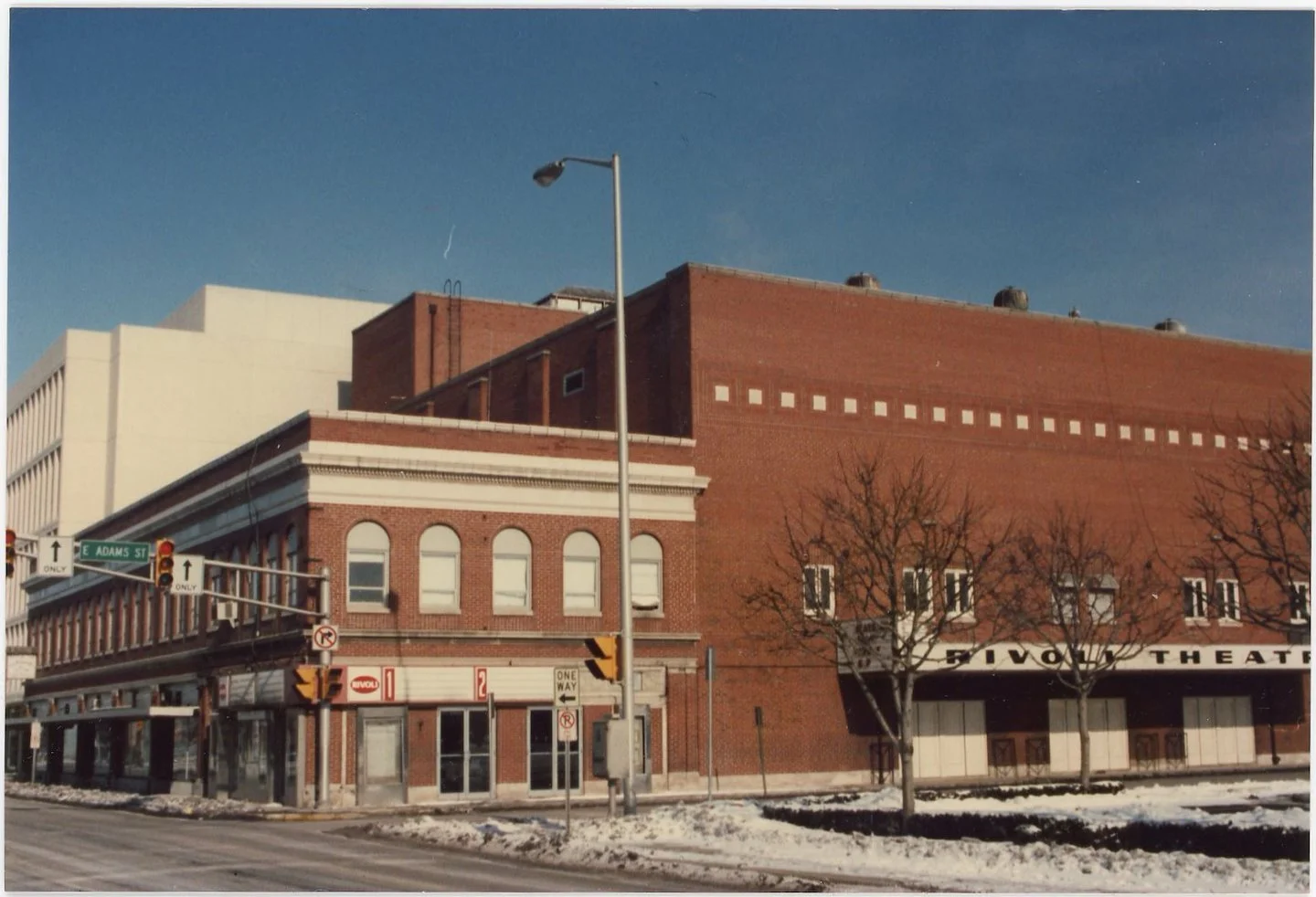
1988: Opening Minnetrista Cultural Center
Minnetrista officially opened following years of planning and construction, a space dedicated for history, nature and community engagement. It remains a cornerstone of cultural life in Muncie and a regional destination.
1980s
Late 1980s: A Historic Logo
The foundation adopted interlocking letter Bs as its logo. The design was patterned after the 1890s Ball Brothers Glass Manufacturing wood shipping crate stamp. Designed by a longtime Ball Corporation employee, the mark reflects the family’s industrial roots and remains a recognized symbol of the foundation’s legacy.
1980s
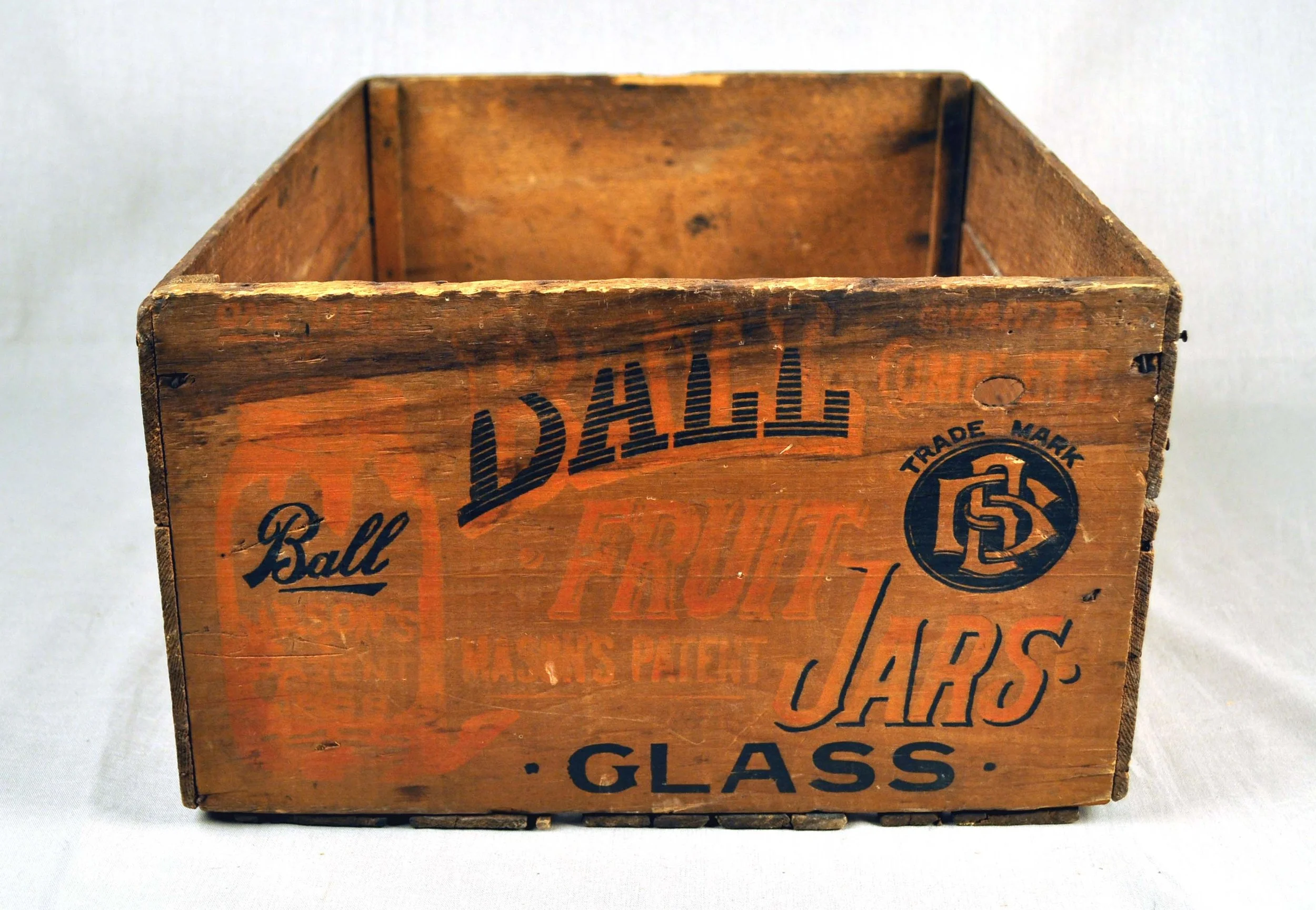
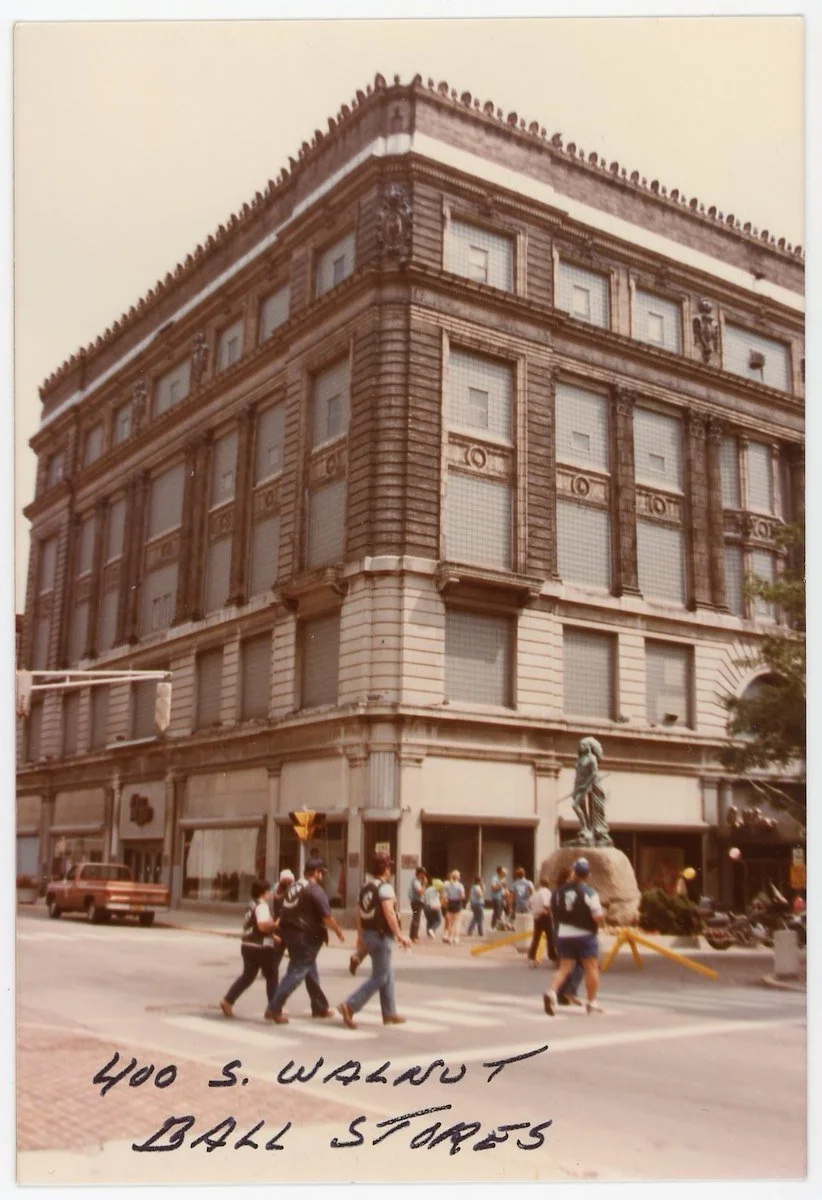
1990s: Advancing Placemaking and the White River
BBF supported efforts to revitalize downtown Muncie, including public spaces and the build-out of recreation and conservation along the White River. This work continues today as part of a long-term commitment to community vibrancy and recognition of the river as one of the city’s greatest assets.
1990s
1993: Building the Cardinal Greenway
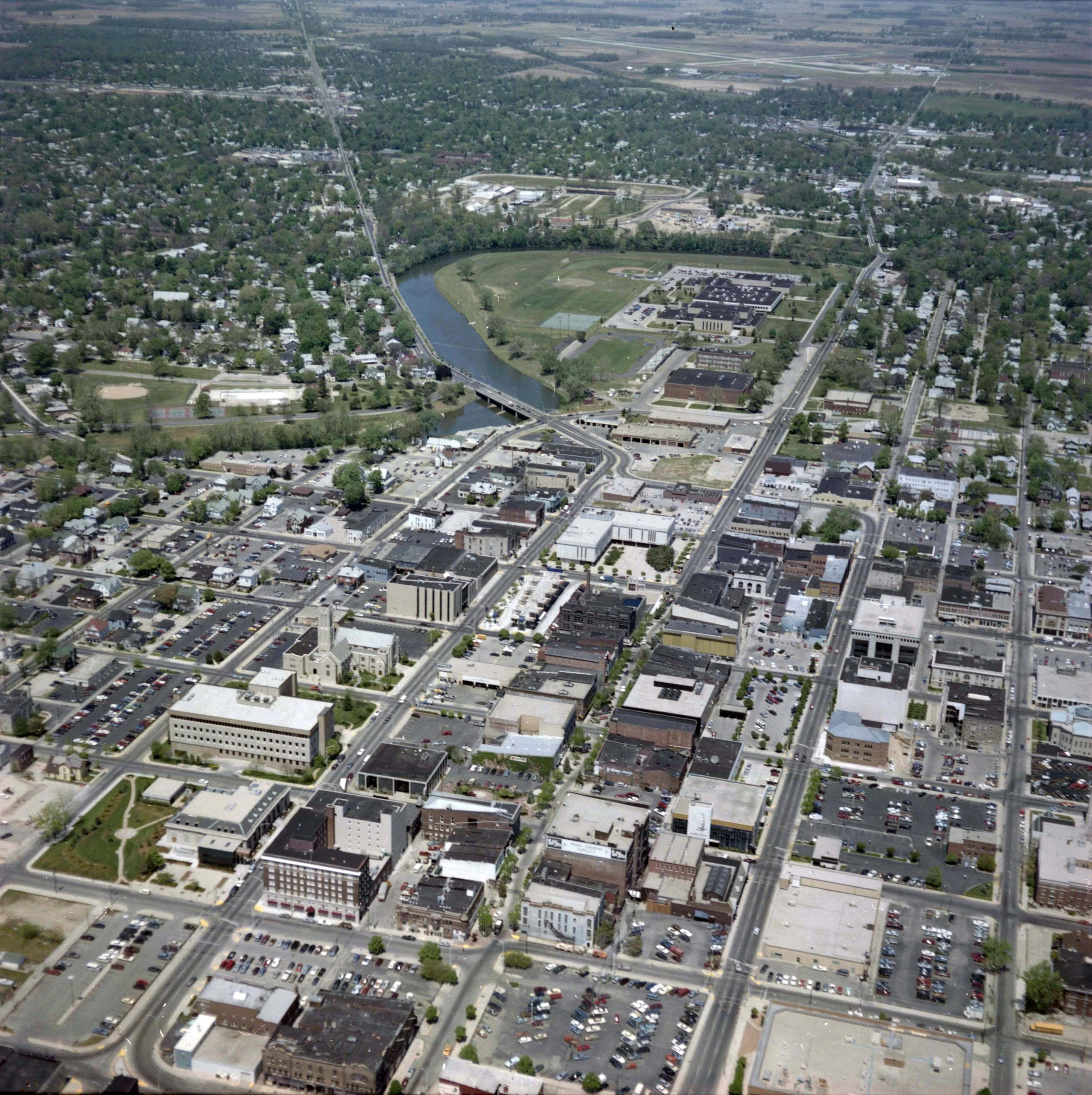
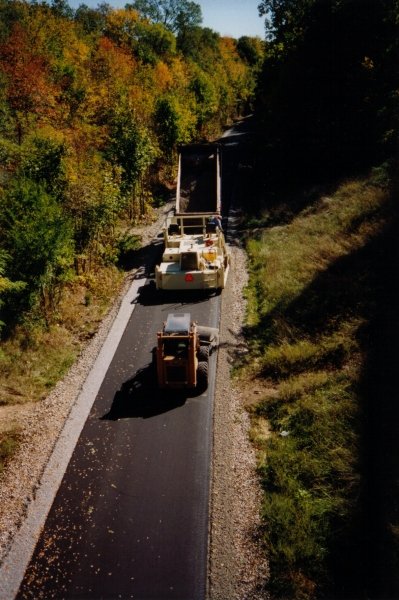
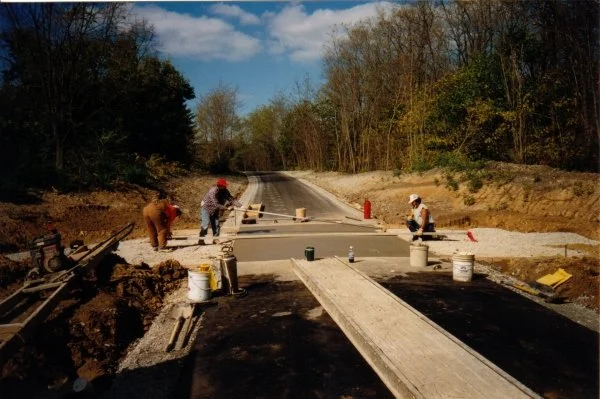
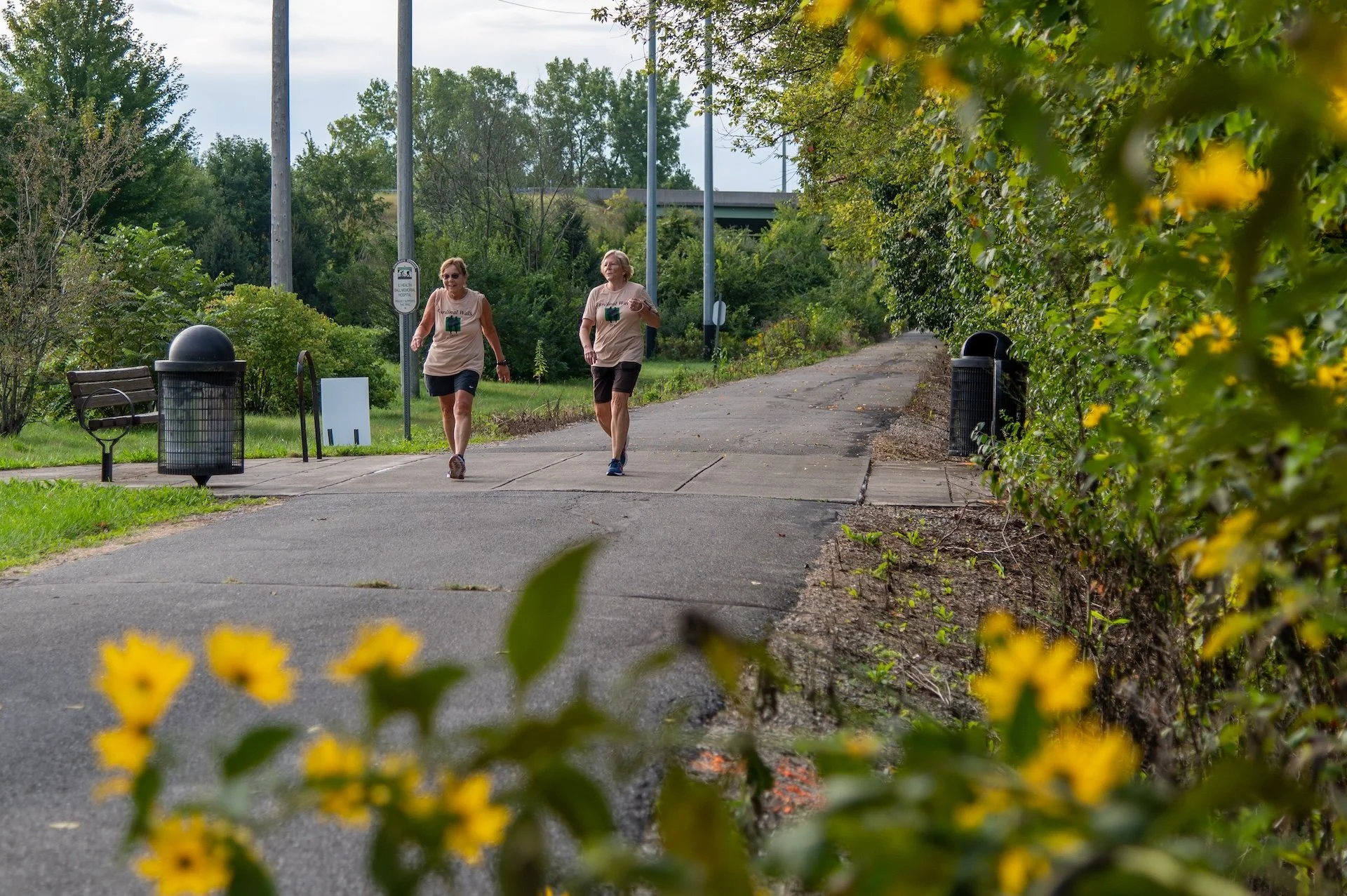
After the Chesapeake and Ohio rail line was abandoned in the late 1980s, BBF board members worked with local leaders to explore how to repurpose the corridor into a trail. A community-wide meeting was hosted at Ball Corp’s headquarters in downtown Muncie with resounding interest in pursuing the idea. Years of persistence followed with BBF helping to convene key stakeholders and providing matching support for construction. The Cardinal Greenway today spans more than 60 miles, connecting communities across East Central Indiana from Marion to Richmond.
1990s
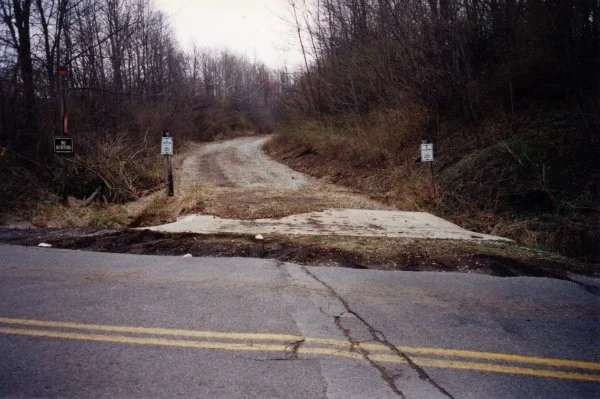
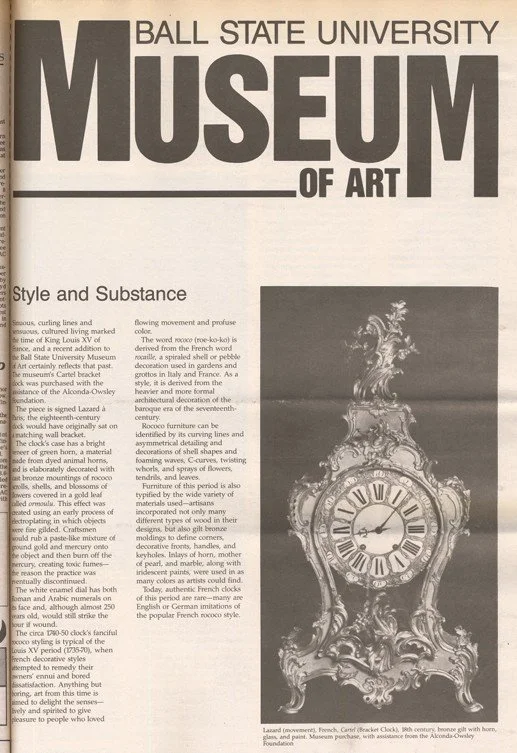
1995: Expanding Access to Art
BBF facilitated major art contributions from its collection to Ball State University. These gifts enhanced arts and cultural resources for students and the community. Today many are displayed at the David Owsley Museum of Art, one of the Midwest’s finest collegiate art museums.
1990s
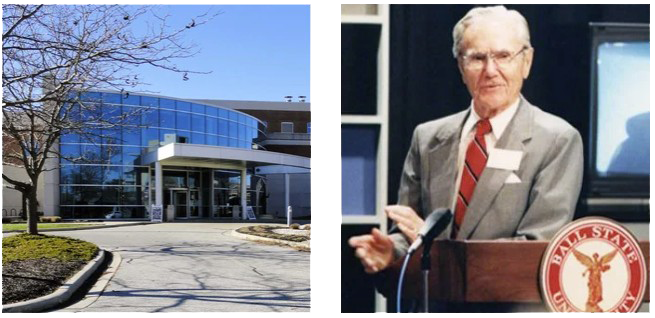
Late 1990s: Supporting Medical Education
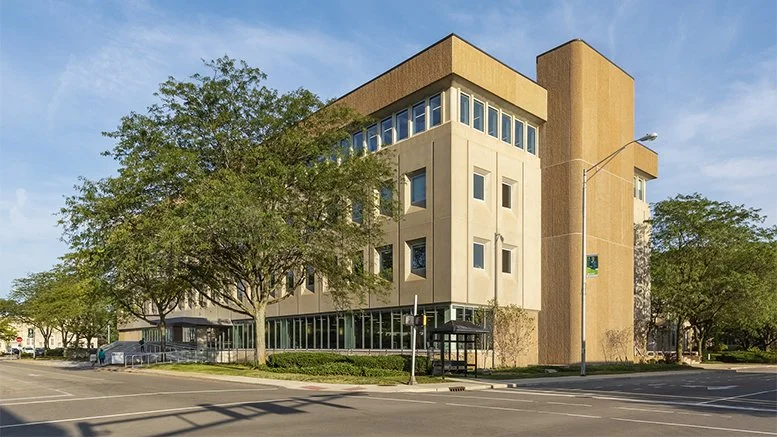
Alongside other Ball family foundations, BBF supported construction of the Edmund F. Ball Center for Medical Education in Muncie. The building became home to the IU School of Medicine–Muncie and the Family Medicine Residency Program, providing a state-of-the-art home for physician training that BBF continues to support today.
1990s
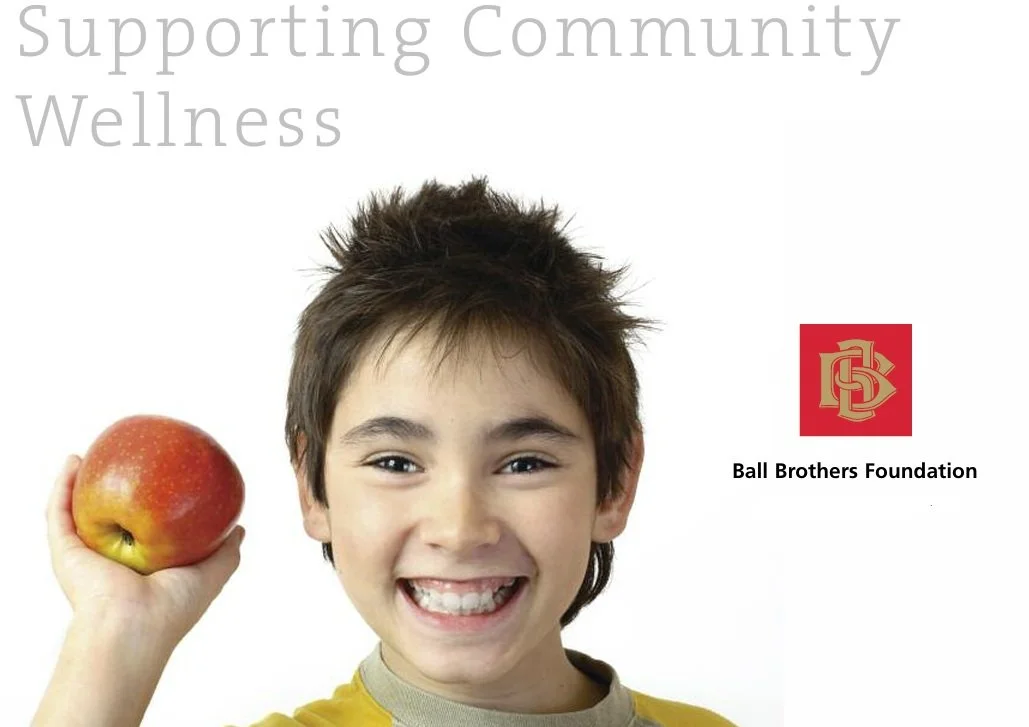
2000: Launching Wellness Initiative & Modernizing the Grant Process
BBF introduced a wellness-focused grant program addressing nutrition, physical activity, and community health. The work reflected a growing focus on prevention and well-being. The new millennium marked the start of a more formal, competitive grant process, laying the groundwork for how BBF evaluates and awards funding today.
2000s
2002: Advancing Innovation and Entrepreneurship
BBF joined early efforts to explore an innovation center as part of a broader focus on future business development in East Central Indiana. This work led to the creation of the Innovation Connector and an entity that later became FORGE ECI. These organizations continue to support entrepreneurs, small businesses, and regional growth. BBF remains closely connected to these institutions as they promote East Central Indiana as a great place to live, locate businesses, work and raise a family.
2000s
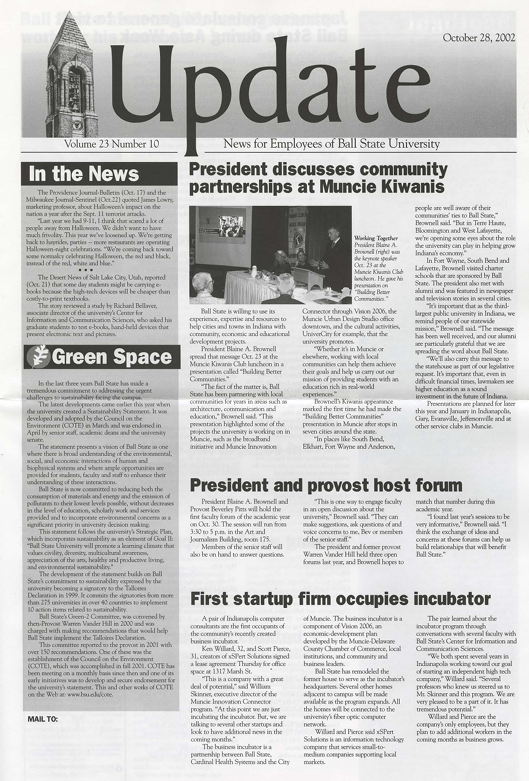

2002: Launching Organizational Effectiveness Grants
BBF began providing capacity-building support for youth-serving organizations in East Central Indiana, partnering with Indiana Youth Institute to manage the program. Each year, two organizations receive targeted consulting, professional development, and follow-up grants to strengthen leadership, board engagement, fundraising and organizational capacity.
2000s


2005: Preparing Next Generation Ball Family Members
BBF launched its Associate Directors program for Ball family members interested in learning more about the foundation’s governance and history. The program helps prepare the family’s next generation to steward its philanthropic legacy. Twelve family members have participated since the program’s inception.
2000s
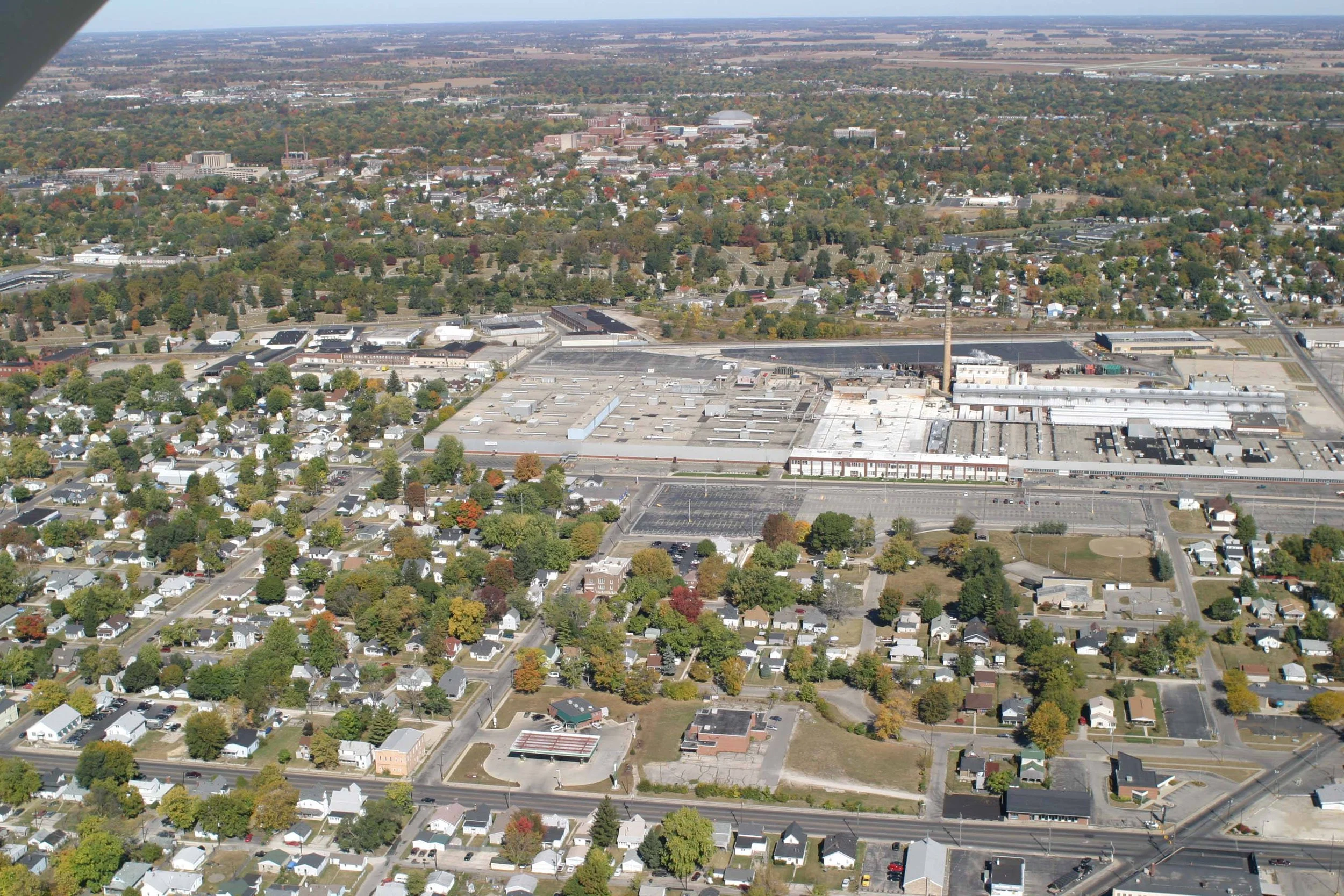
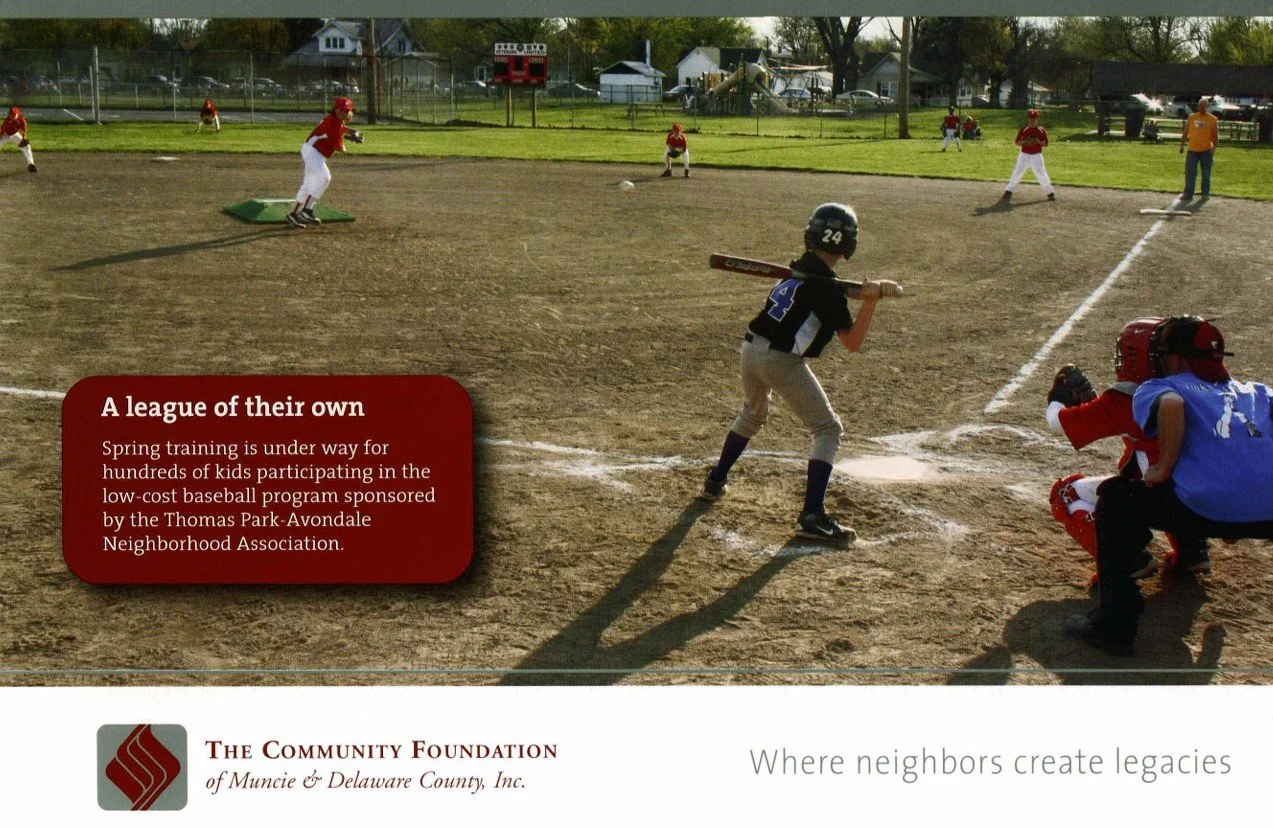
2009: Baseball as a Catalyst
As Muncie’s southside faced economic decline following the loss of major industry, BBF began exploring support through the Ross Community Center. Building on the neighborhood’s long tradition and love of baseball, the foundation helped catalyze the development of high-quality fields. The effort renewed a source of pride and activity for the neighborhood. In following years, BBF joined other partners in supporting broader revitalization efforts.
2000s
2011: Honoring Exceptional Board Members
BBF launched the Fisher Governance Award to recognize individual local non-profit board members who demonstrate outstanding leadership and commitment in governance. Since the award’s establishment, board members from 14 different nonprofits have been honored.
2010s

2013: Championing Public School Teachers
The first BBF Excellence in Teaching Award was given to honor outstanding K–12 public school educators in Delaware County. The award celebrates teachers who bring creativity and real‑world learning into their classrooms. More than 40 winners and finalists have been recognized to date.
2010s
2018: Supporting Public School Transformation
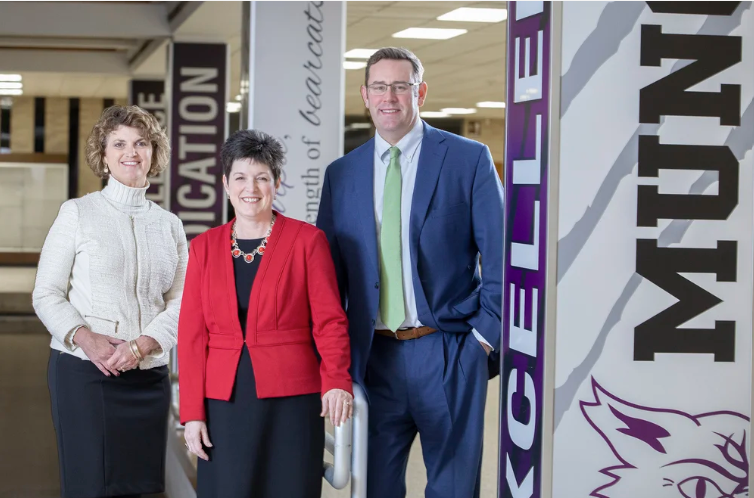
Joining other local funders, BBF committed $1 million to support the historic partnership between Ball State University and Muncie Community Schools, a district on the brink of financial collapse. The grant built on previous funding and reflected a shared belief that strong public schools are essential to Muncie’s future.
2010s
2020: COVID-19 Pandemic Response
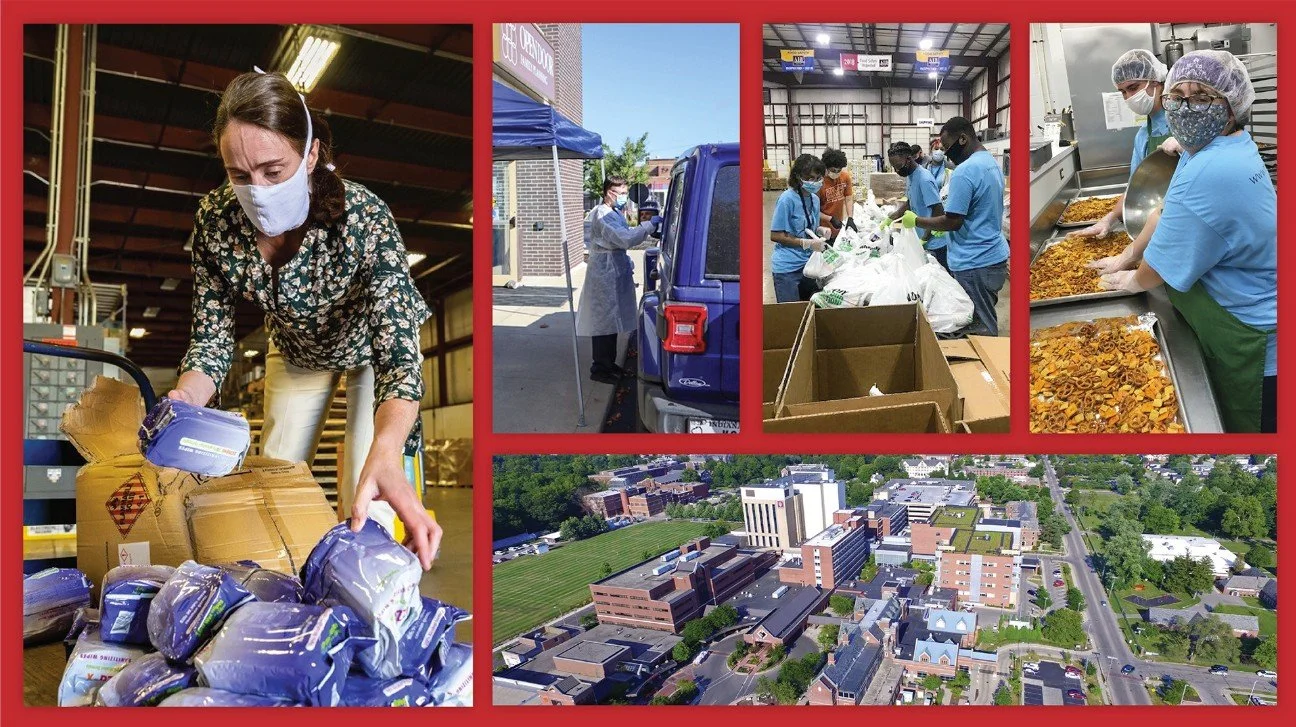
BBF was one of the first foundations in the state to provide immediate funding in the wake of the COVID-19 pandemic. The foundation supported hospitals, first responders, law enforcement officers, and helped local schools transition to remote learning. In the months and years that followed, BBF supported public health campaigns, childcare, and vaccine distribution—adapting in real time to meet urgent community needs.
2020s
2025: Celebrating 20 Years of Fellows
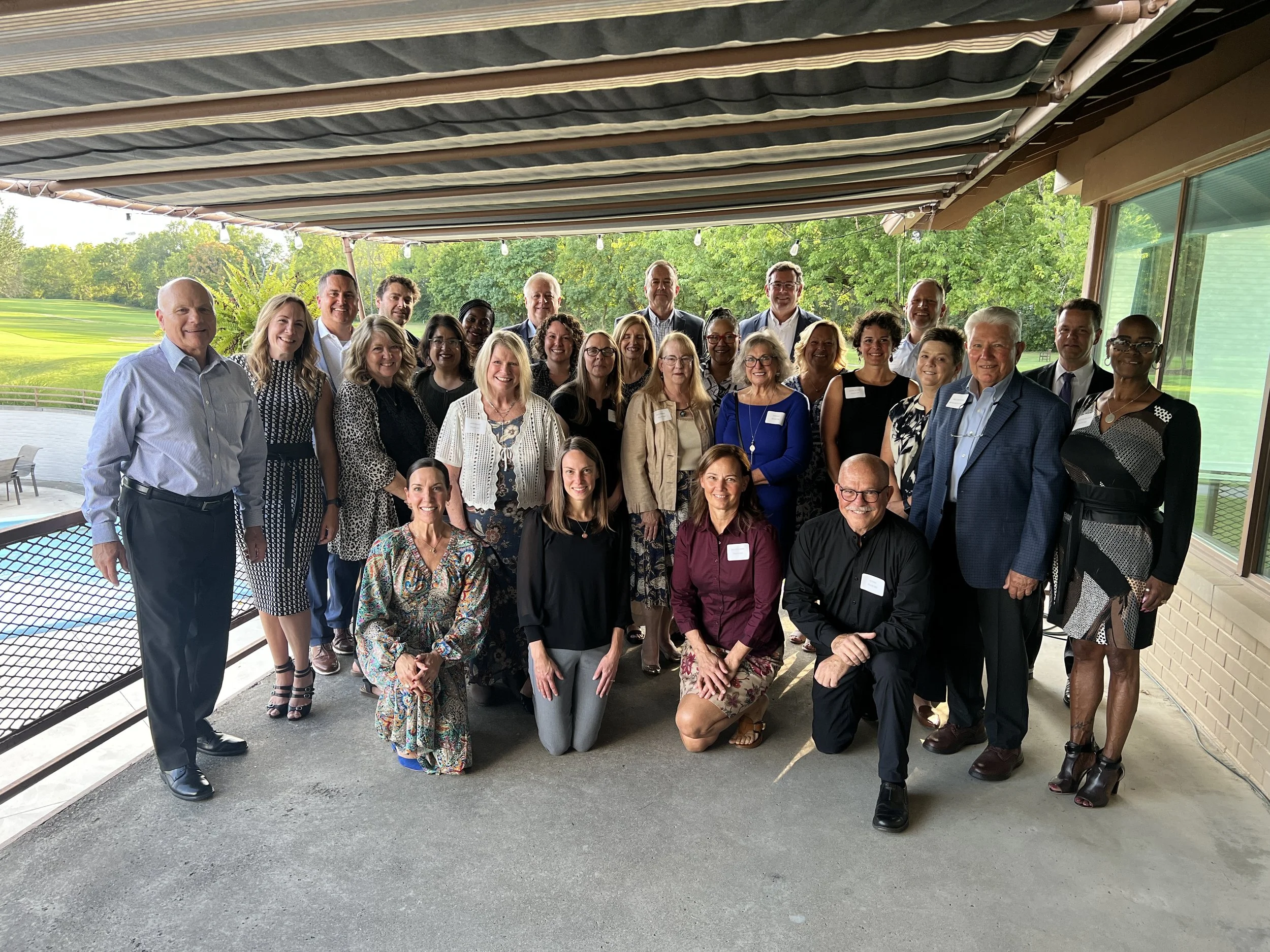
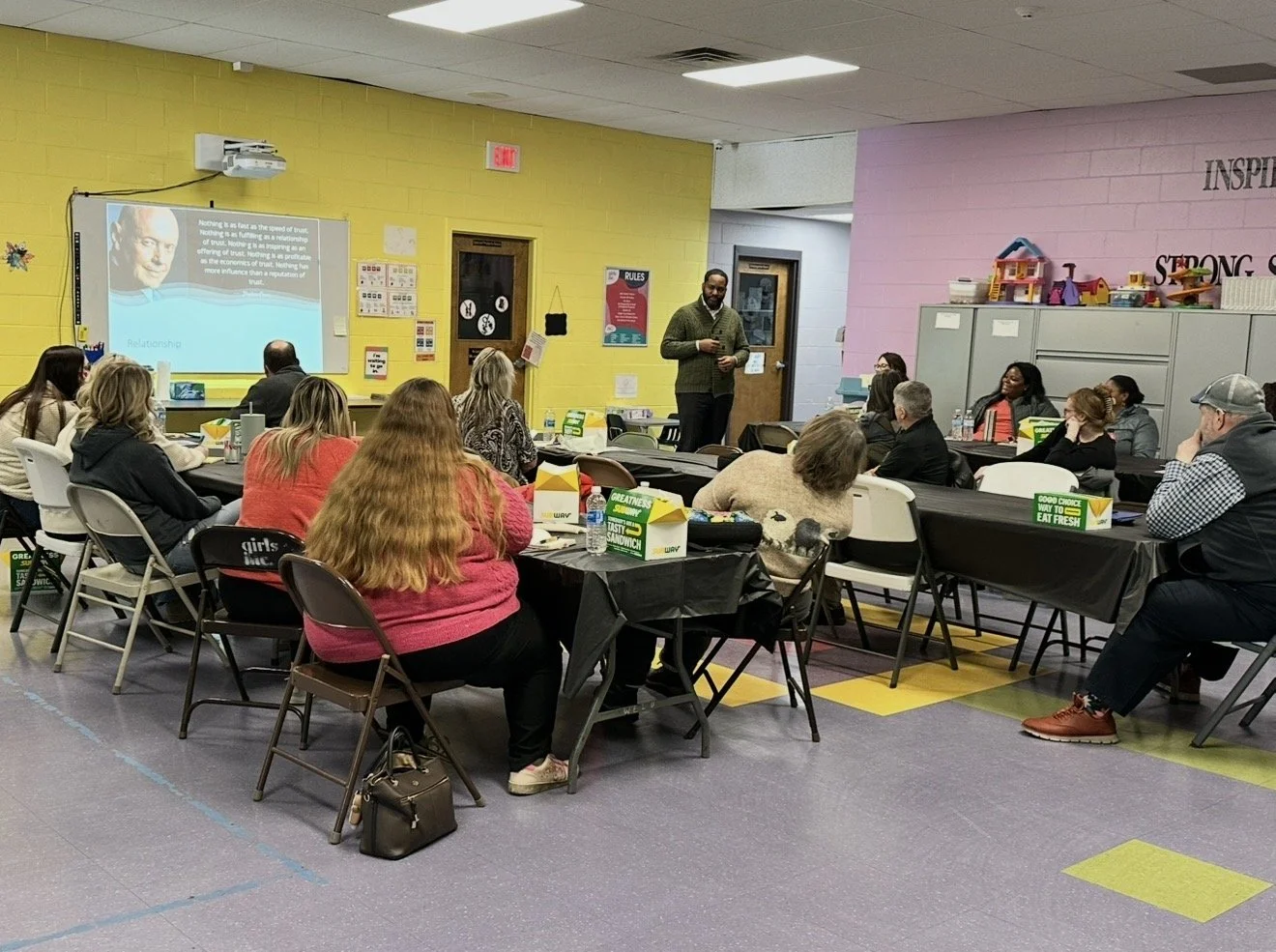
BBF marked 20 years of its Fellows Program, bringing East Central Indiana nonprofits and community leaders together for monthly dialogue with foundation staff. Fellows gain insight into how foundations operate, develop nonprofit and leadership skills, and share feedback on local community needs. Since 2004, the program has strengthened relationships, increased transparency and deepened BBF’s community impact.
2020s
2026: Marking 100 Years of Impact
Ball Brothers Foundation marks its 100th year, reflecting on a century of grantmaking and philanthropic leadership. To honor this milestone, the foundation will host a series of events, share historical highlights, and celebrate the lasting impact of its grants, partnerships, and community support.
2020s
Committed to Place-Based Philanthropy
Throughout its history, the foundation has prioritized grantmaking in Muncie and Delaware County, supporting impactful community organizations and institutions for decades as they work to bring their visions of a more vibrant community to life. Check back throughout our 100th year as we highlight and reminisce on these essential relationships.


A Century of Philanthropy Celebrated Along Minnetrista Boulevard
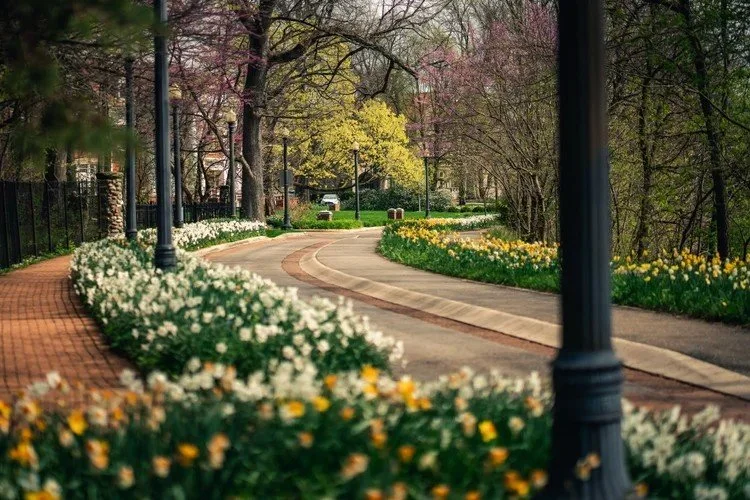
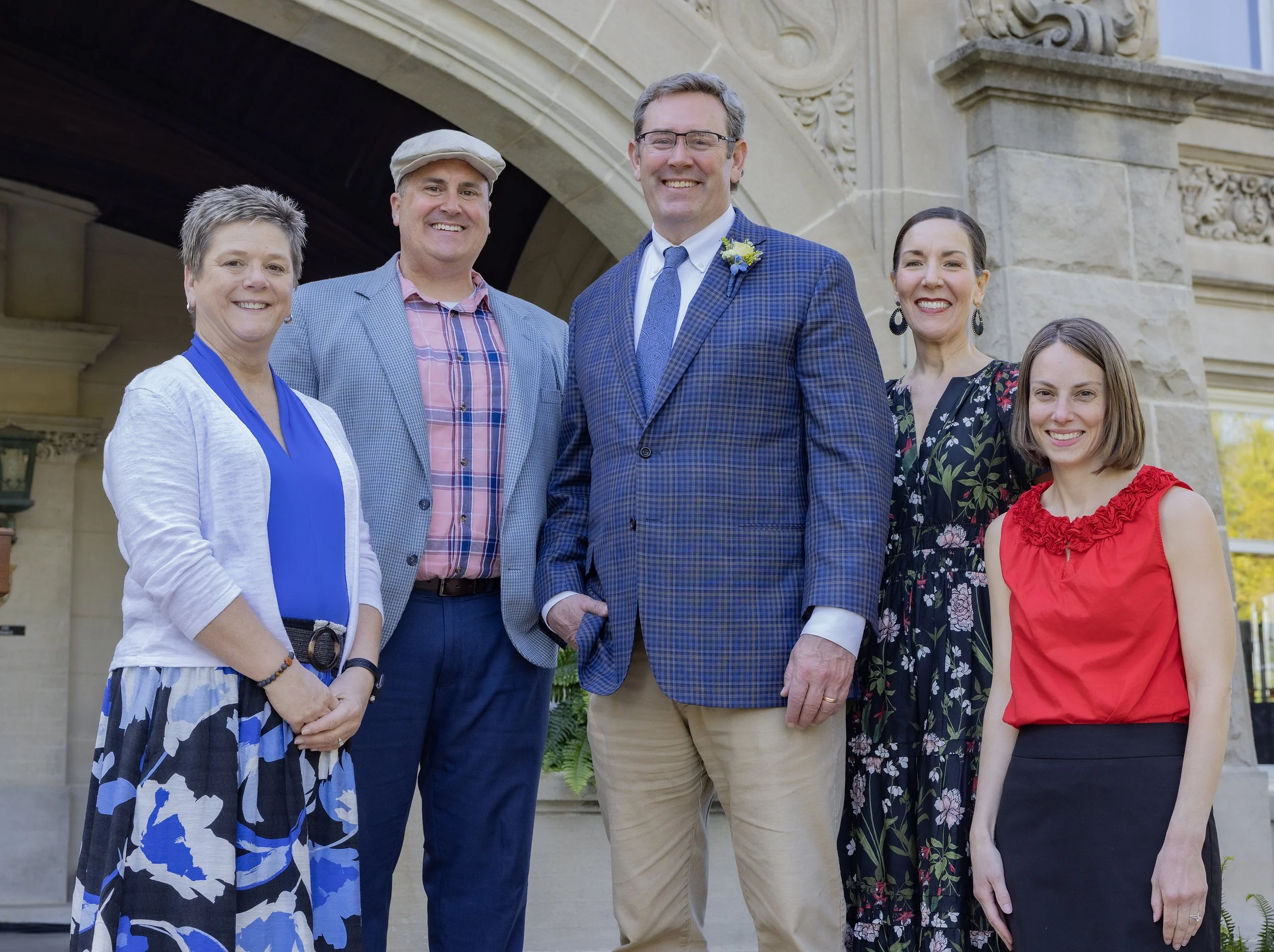
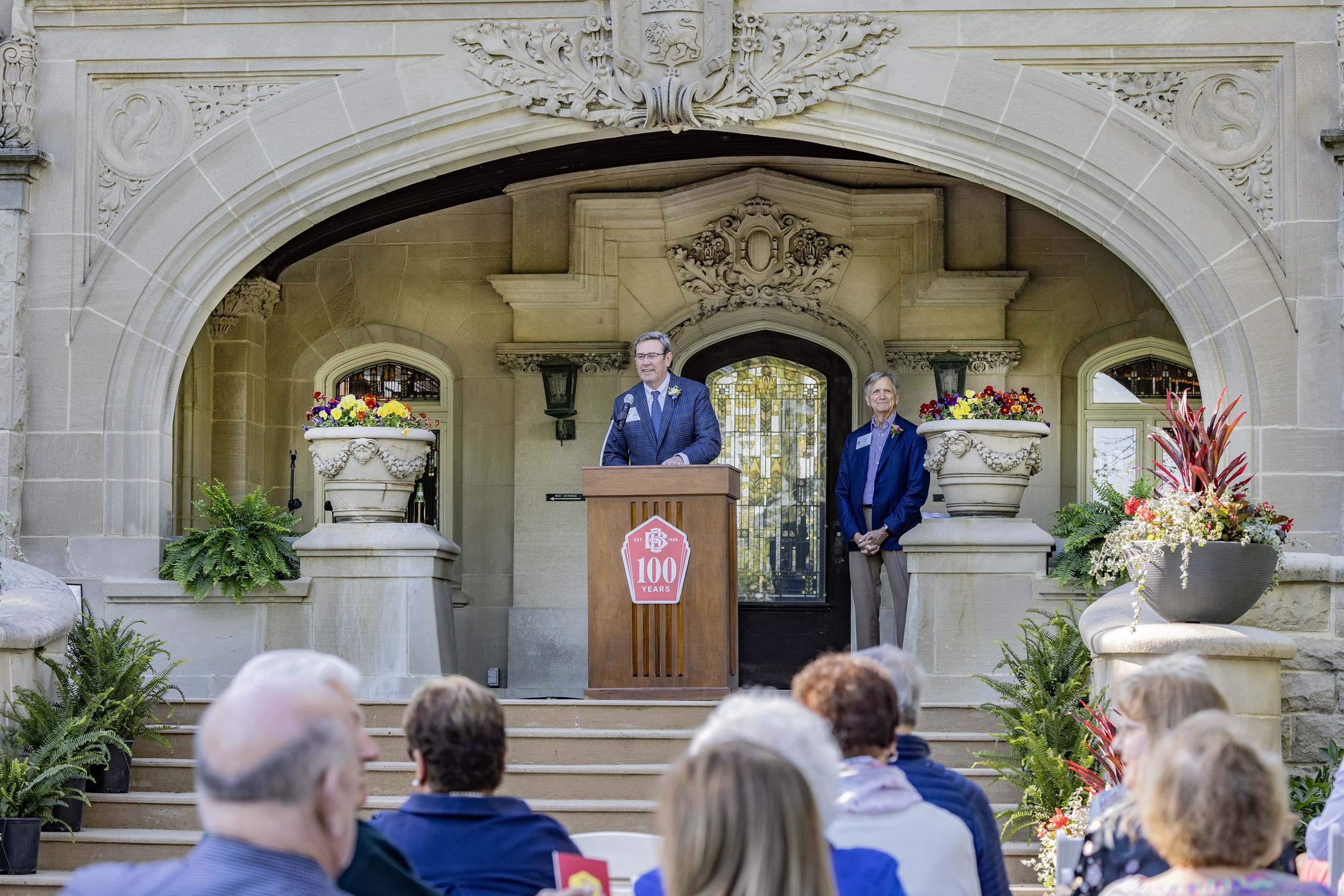
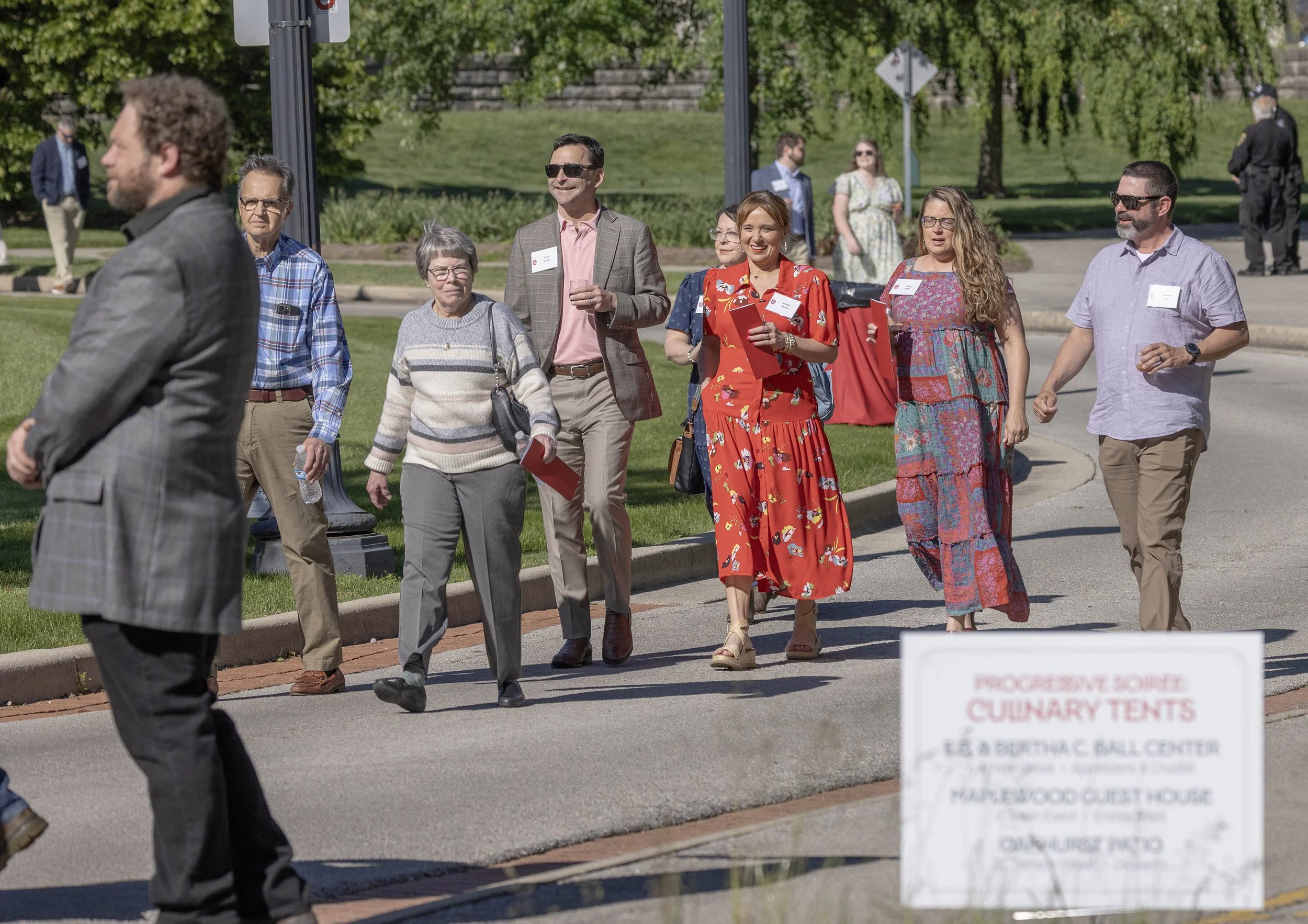
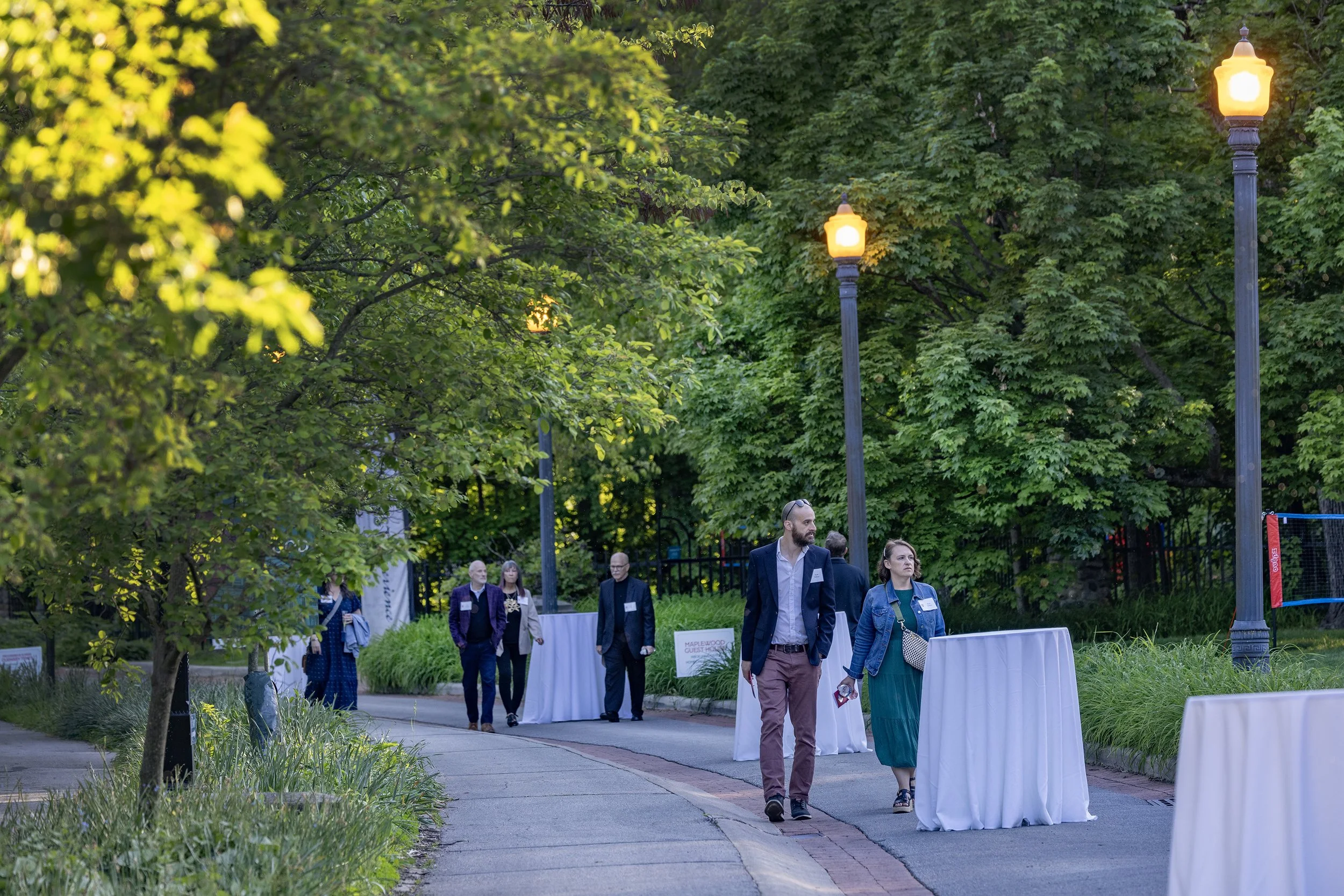
As Ball Brothers Foundation marks its 100th year of grantmaking, the foundation celebrated May 14 with its “Garden Party of the Century,” an evening gathering held along Muncie’s historic Minnetrista Boulevard. The event brought together a small group of grantees, community leaders, peer funders, and board members to reflect on a century of philanthropy and partnership in East Central Indiana.
A Century of Philanthropy Celebrated at Indiana State Museum
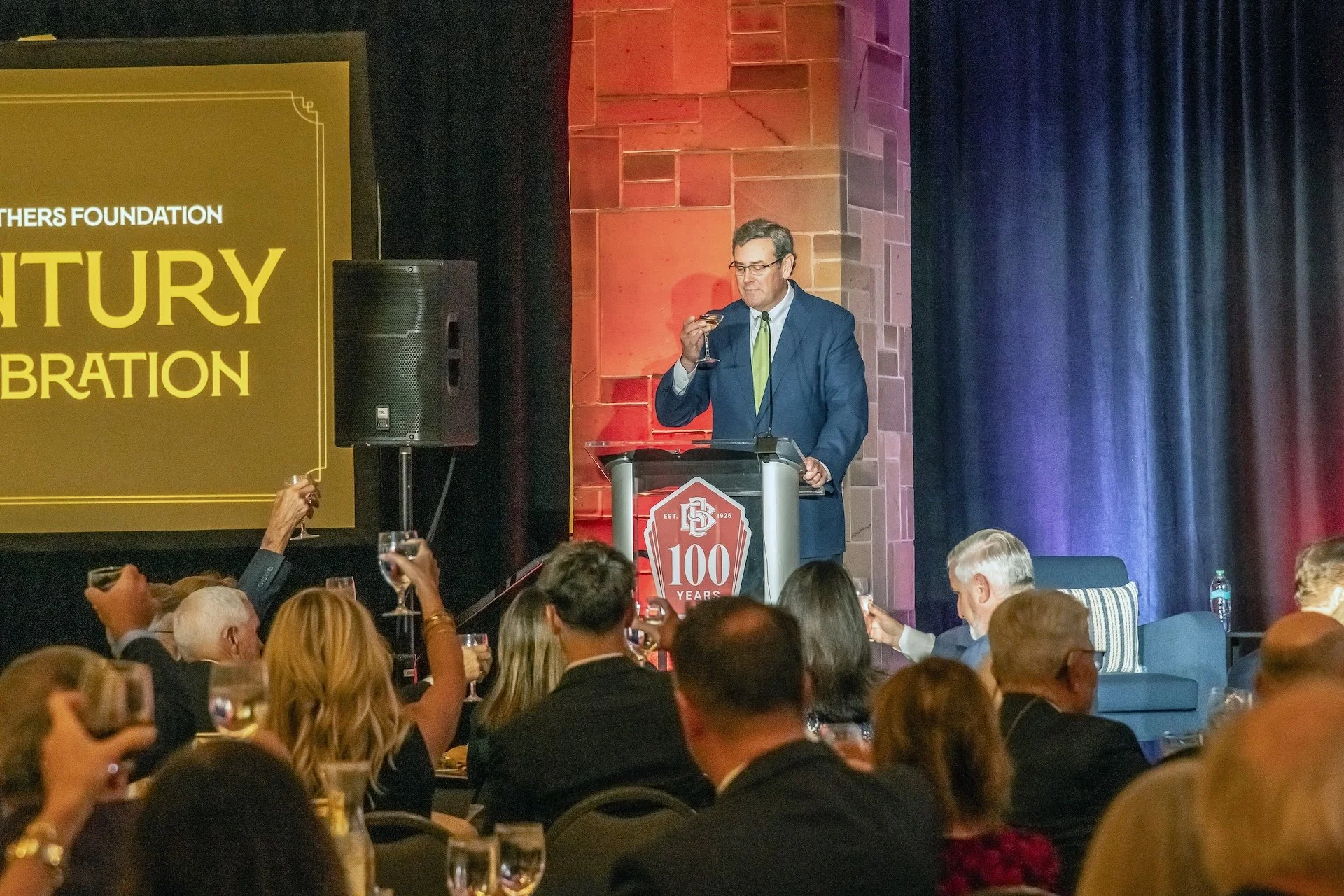
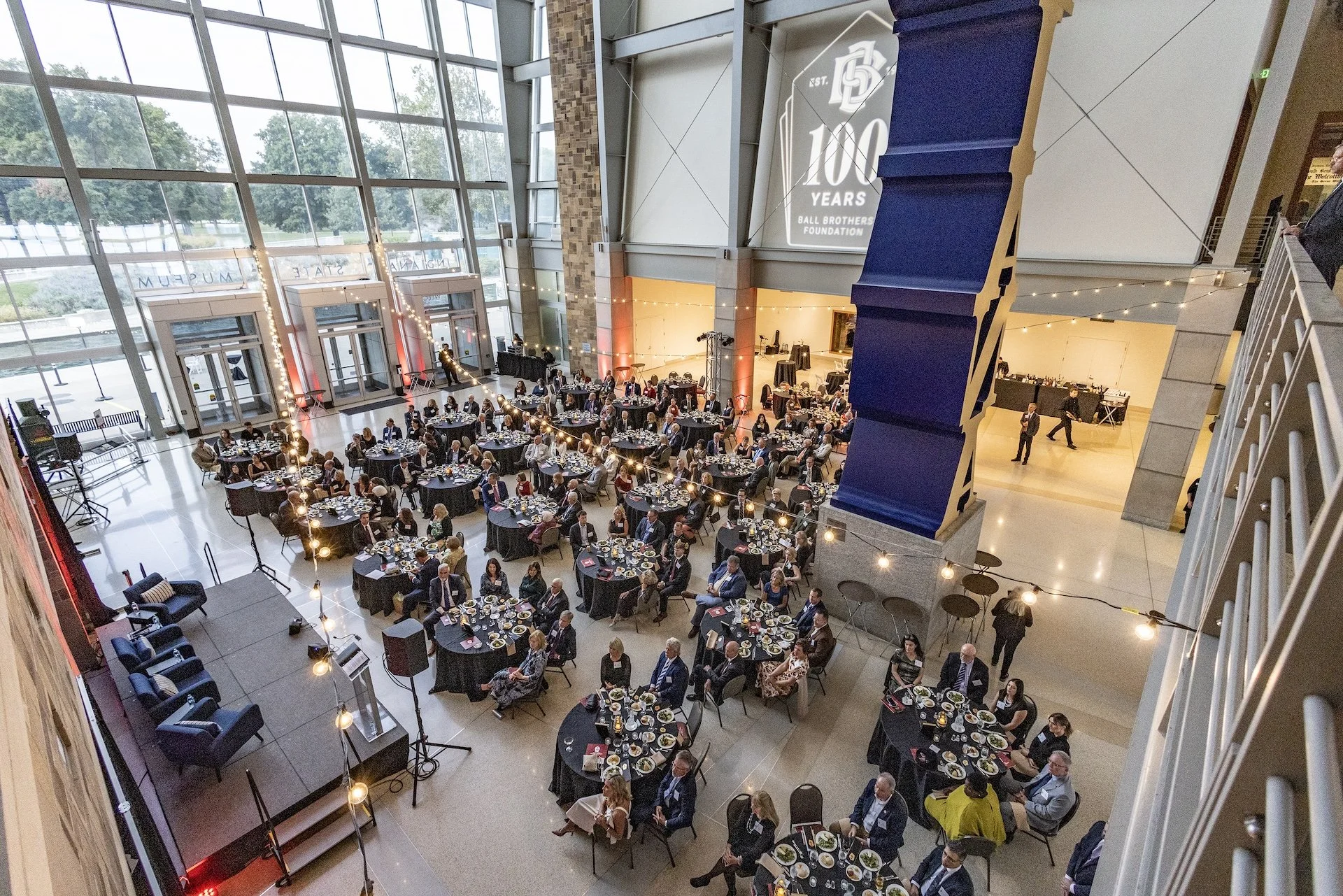
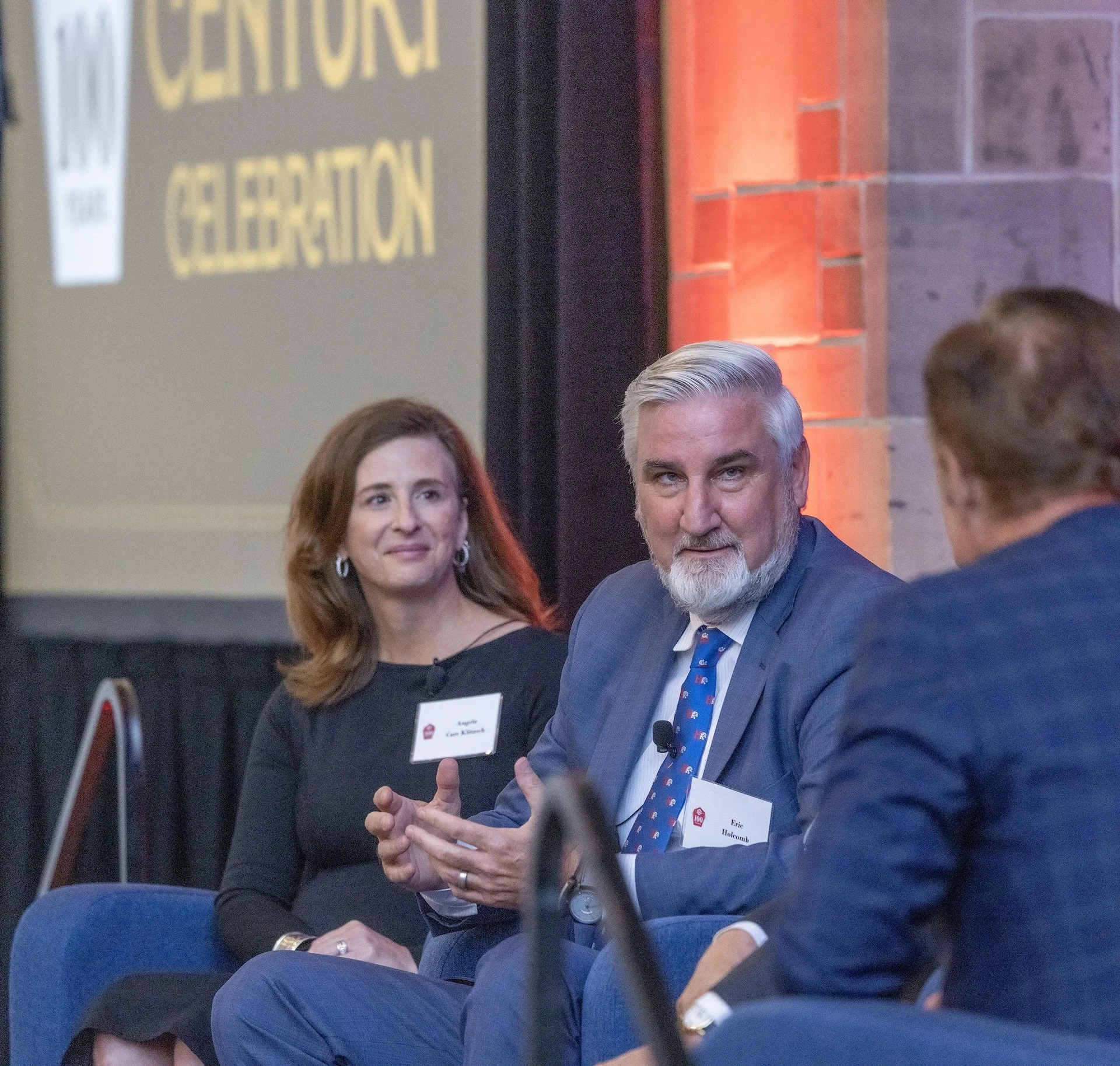
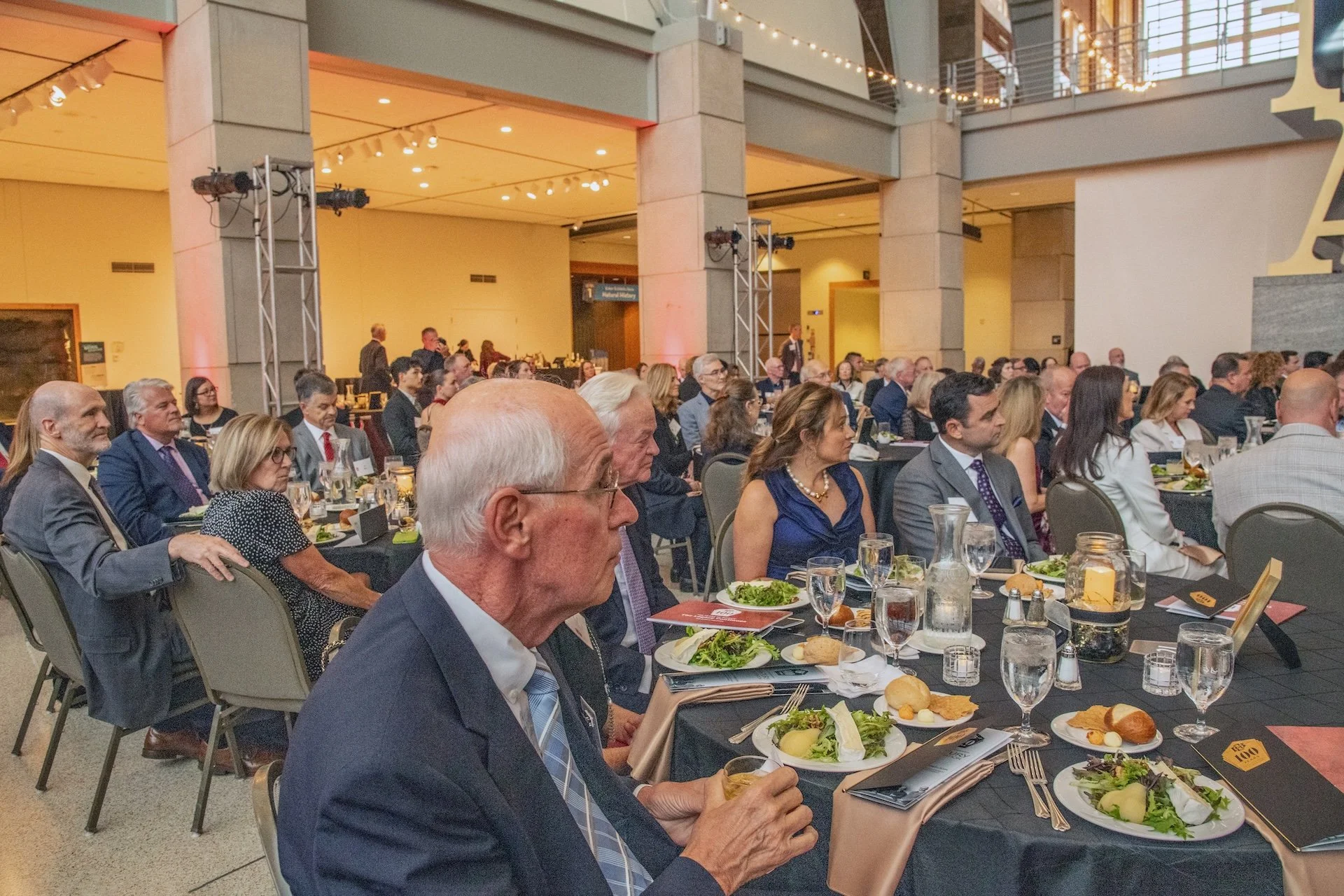
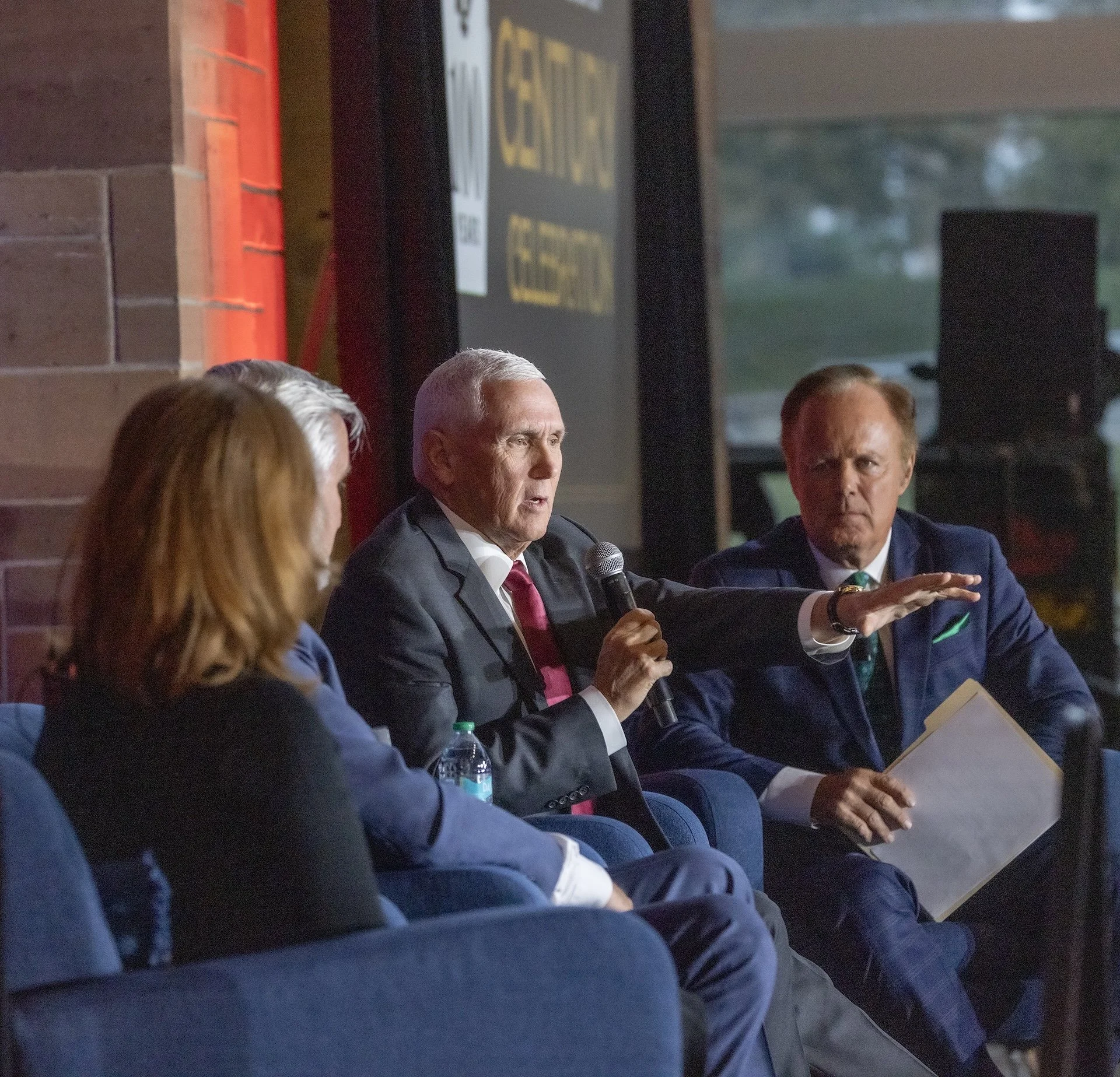
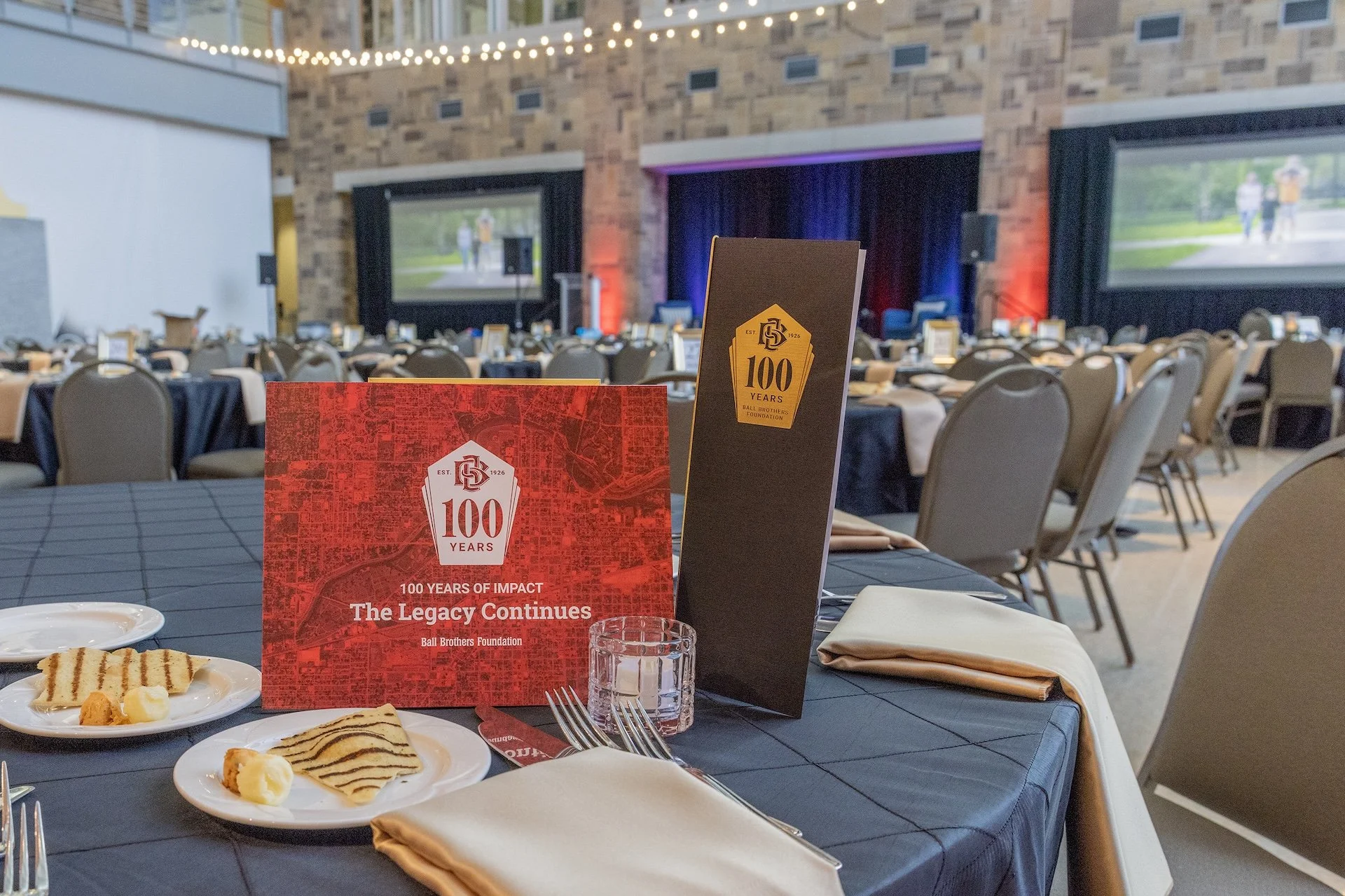
Ball Brothers Foundation capped off its 100th anniversary celebrations on October 1 with an evening marking a century of philanthropy and leadership. Held at the Indiana State Museum, the gathering brought together over 175 guests, including statewide philanthropy leaders, grantees, government officials, community leaders, Ball family members, and others to look back at the people and ideas that have shaped Ball Brothers Foundation since its establishment in 1926, and engage in conversation about philanthropy’s role in helping shape institutions and communities over generations.