
Q&A with Red-tail Land Conservancy

Red-tail Land Conservancy traces its roots to 1999, when more than 80 community members gathered at Minnetrista Museum and Gardens to explore a shared vision for land conservation in East Central Indiana. What began as an all-volunteer effort has since grown into a trusted regional organization, working to protect and steward some of the area’s most important natural spaces.
Ball Brothers Foundation began supporting Red-tail in 2005 and has awarded funding over the years to advance land acquisition, strengthen marketing and fundraising efforts, and support day-to-day operations.
Beginning in 2018, Executive Director Julie Borgmann helped guide Red-tail through a period of thoughtful growth, including the development of a strategic conservation plan to prioritize land protection and a newly approved strategic plan to shape its future. Earlier this year, Julie announced her retirement and, this summer, the Red-tail board announced the appointment of Nick Werner as Executive Director. As Julie transitioned into retirement, we sat down with her to reflect on her time leading Red-tail and on what’s ahead for the organization.
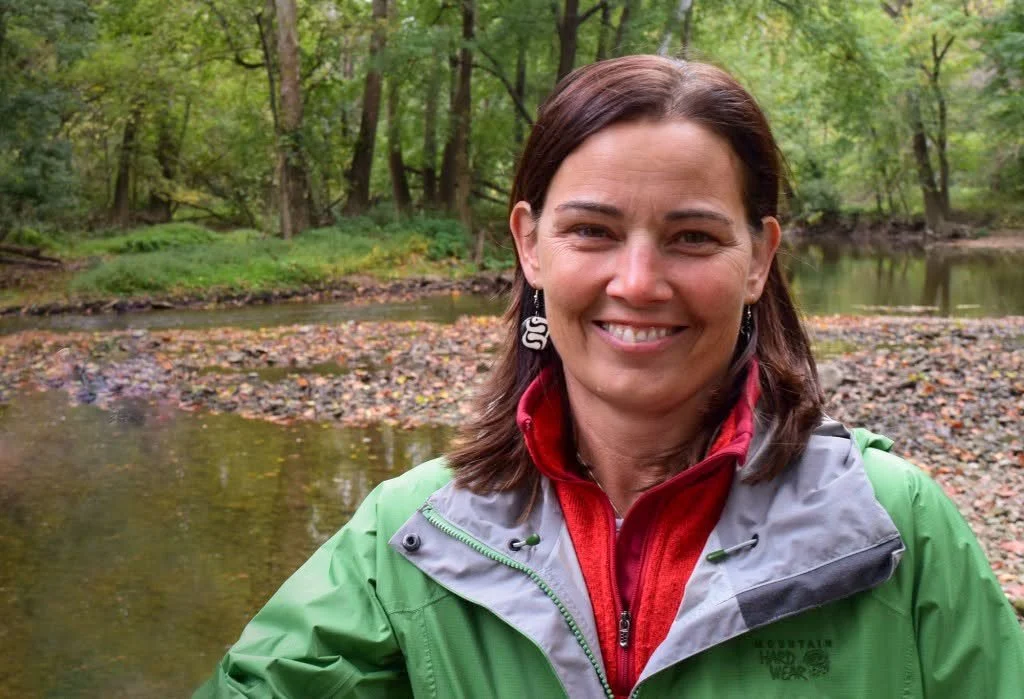
Julie Borgmann, former Executive Director of Red-tail Land Conservancy
-
I'm most proud of how Red-tail has grown from a small group of concerned citizens into a strong, collaborative community of people who care deeply about protecting nature for future generations. As we've expanded, we've not only protected more land, but also created places where people can experience nature through trails, preserves, and educational programs. Those experiences help people develop a deeper appreciation for the plants, wildlife, and natural landscapes that make our region special.
I'm equally proud that Red-tail has grown into a resilient, sustainable organization with the resources, leadership, and long-term vision needed to fulfill our promise to protect the land in our care forever.
-
The pressures of development, biodiversity loss, and a changing climate make it more important than ever to protect the right places at the right time. Our Strategic Conservation Plan gave us an objective framework for evaluating land protection opportunities and identified the priority landscapes where our efforts can have the greatest impact.
Having that roadmap has helped us communicate our priorities more clearly, build relationships with landowners, and be proactive rather than reactive. Protecting and caring for land requires significant financial resources, so the conservation plan ensures we're investing those resources wisely to create lasting conservation benefits for our communities and wildlife.
-
We believe experiencing nature is a necessity, not a luxury. Across East Central Indiana, the health of our people, land, water, and wildlife are deeply connected. The places we protect shape our communities, and the choices our communities make shape the future of those places.
Guided by our vision of a community protecting, restoring, enjoying, and caring for nature, the board established five strategic priorities for the next five years:
Protect Priority Lands and Waterways
Restore and Steward Important Habitats
Create Welcoming Outdoor Spaces
Strengthen Community Engagement
Grow Organizational Strength and Long-Term Sustainability
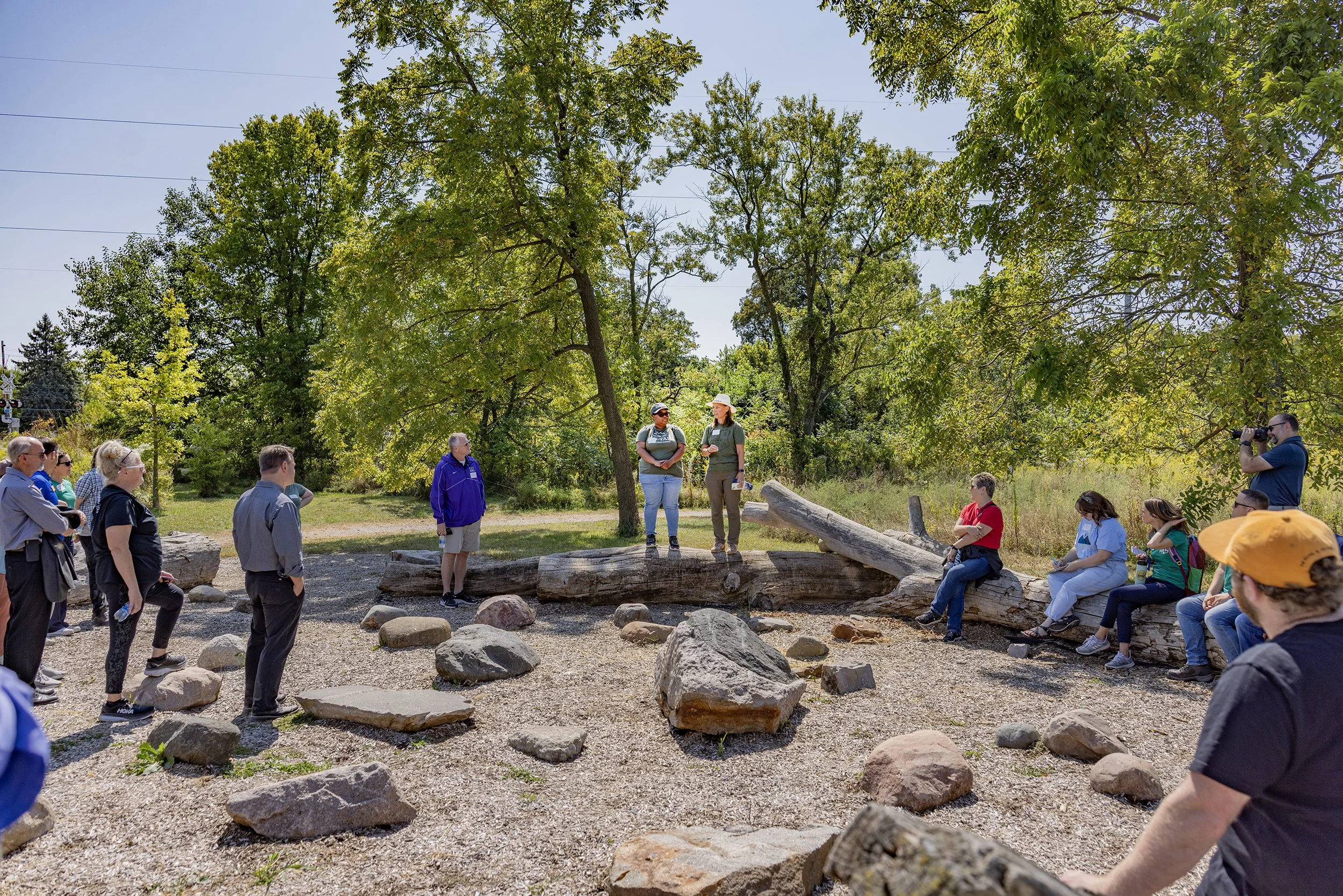
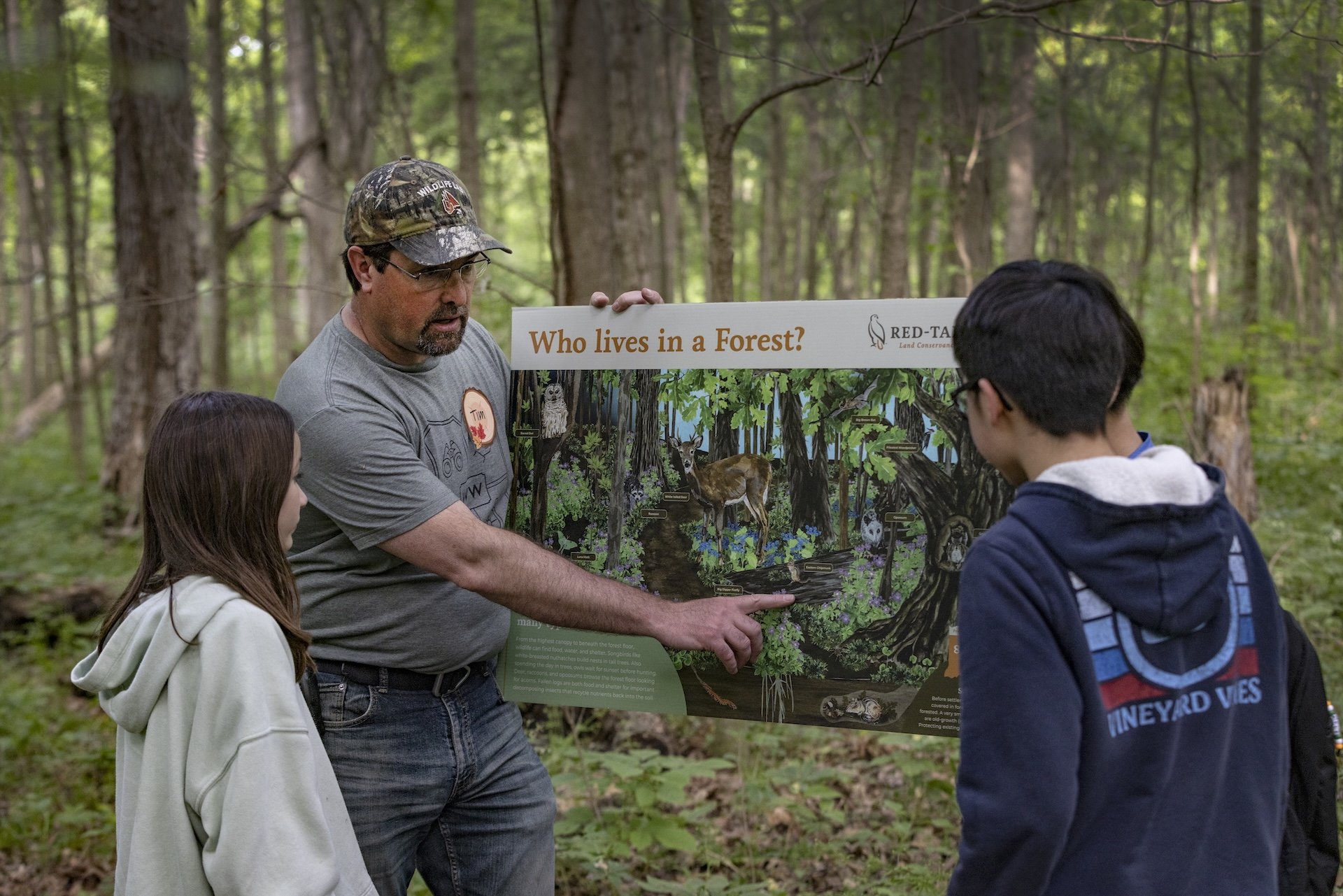
Together, these priorities recognize that conservation is about more than protecting land. It's about restoring habitats, connecting people with nature, and building an organization that can serve our region for generations to come.
-
Each new preserve tells an important part of our conservation story.
Hidden Canal Nature Preserve holds a special place in my heart because it was Red-tail's first land acquisition in Madison County. It protects the scenic White River Corridor across from Mounds State Park and preserves a stretch of river rich in plant and wildlife diversity.
Buck Creek Fen is another remarkable property. Acquired through two separate land auctions, it protects one of Indiana's rare glacial fens, supporting many threatened plant species. It also strengthens a growing network of protected lands in the Big Blue River Valley that extends south to Summit Lake State Park and Wilbur Wright Fish and Wildlife Area.
Most recently, I'm excited about Elkhorn Creek Preserve and Buskirk Falls Preserve in Wayne County. Their steep ravines, beautiful spring wildflowers, and high-quality streams complement Earlham College's Sedgewick Rock Preserve and highlight the unique natural character of the Whitewater River Valley.
What ties all of these projects together is connectivity. They expand important conservation corridors for wildlife while protecting the rivers and streams that are central to our Strategic Conservation Plan.
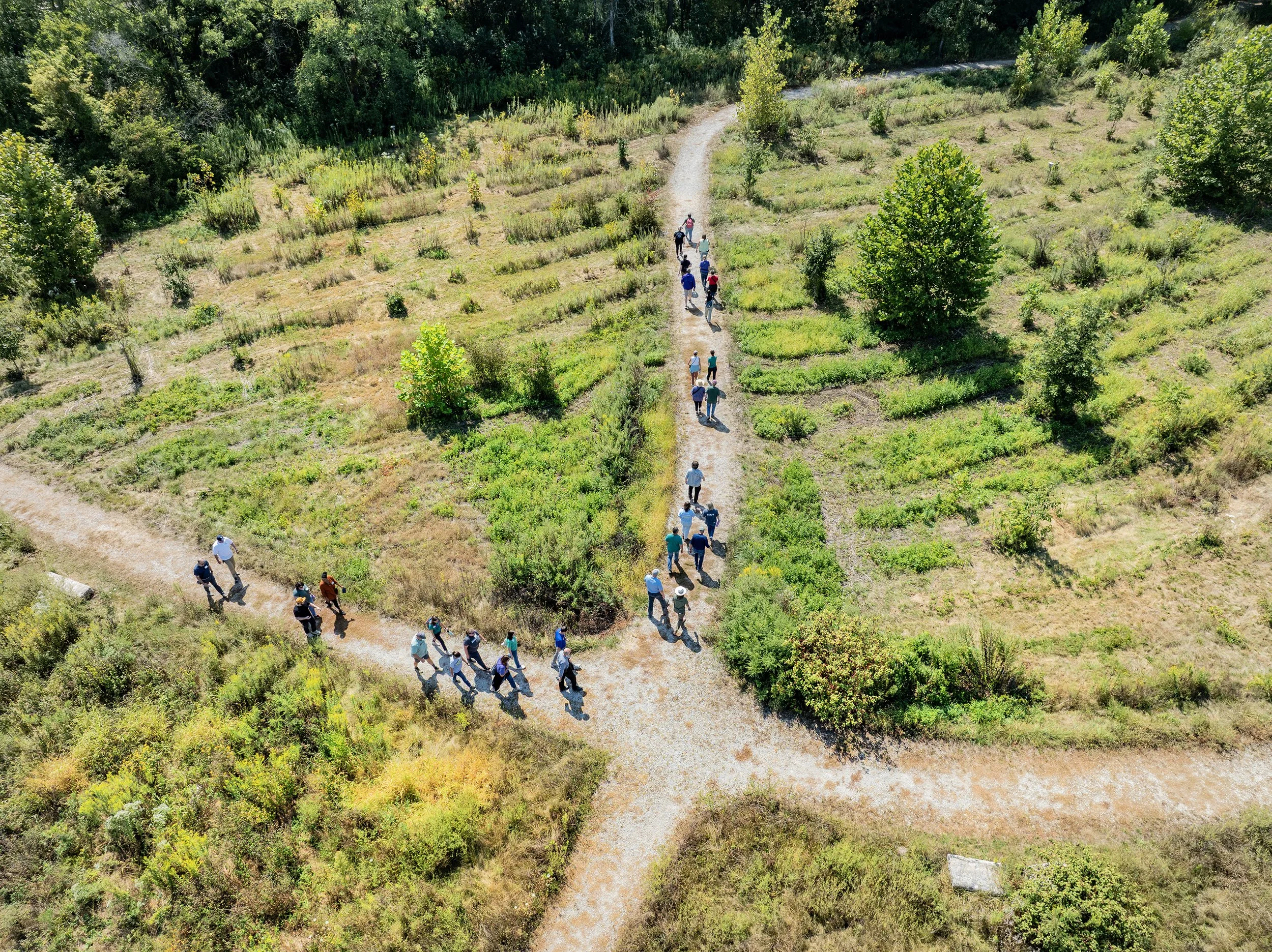
While acquiring land is exciting, I'm equally encouraged by our restoration work. Nearly 60 acres at Fall Creek Woods have been restored to forest and wetlands, and prairie restoration projects at Reber Woods and White River Woods are creating habitat for declining grassland bird species. Conservation isn't just about protecting what's left—it's also about restoring what has been lost.
-
As East Central Indiana continues to grow, pressures from energy development, data centers, industrial agriculture, invasive species, and a changing climate will make land conservation increasingly important. We're also seeing many longtime landowners reaching a point where their children no longer live on or plan to manage family properties, creating both challenges and opportunities for conservation.
What gives me hope is our community. Despite our differences, nature is something that brings people together. I've been continually inspired by the generosity of our supporters and by the passion of young people who care deeply about the future of our natural world.
Red-tail is entering its next chapter as a strong and growing organization with an engaged board, talented staff, dedicated volunteers, and a clear strategic vision. I'm confident it will continue protecting the places that make East Central Indiana special while inspiring future generations to care for the land.
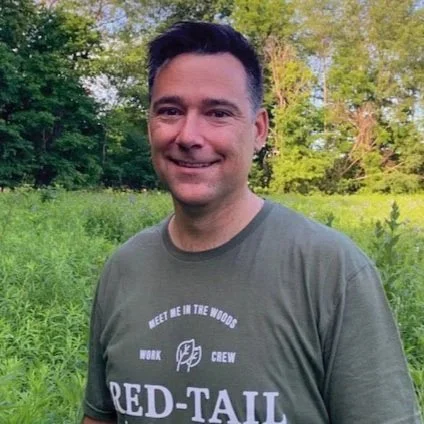
Meet Nick Werner
Red-tail’s New Executive Director
Nick Werner is Executive Director of Red-tail Land Conservancy, bringing a background in marketing and communications to his work in conservation. He previously served as content director at Intersection marketing agency, worked in communications at Ball State University, and was a senior writer for the Indiana Department of Natural Resources.
A longtime Muncie resident and passionate outdoorsman, Nick is an avid fly fisher, hiker, and cyclist with a deep appreciation for the natural landscapes of East Central Indiana. He is active in the community through High Street United Methodist Church, the White River Chapter of Quail Forever, and volunteer service with the Muncie Mission.