
Grantee Spotlight: Ivy Tech Muncie Building Programs That Keep Pace with the Workforce
Walk into almost any hospital, manufacturing floor, or tech office in East Central Indiana, and chances are you’ll find someone who got their start at Ivy Tech Community College.
As the largest community college system in the country, Ivy Tech reaches students across the state—but what makes it especially impactful is how each of the college’s 41 locations offers a unique set of academic programs and services.
In Muncie, that means programs are built around the needs of the region’s employers and the realities of students’ lives. What’s taught in the classroom is shaped by what’s happening in the workforce right now and what’s anticipated in the years ahead.
“Everything we design is meant to lead to a career outcome,” said Jennifer Skene, Vice Chancellor of Workforce Partnerships and Economic Impact at Ivy Tech. “We’re constantly listening to employers and adapting to what’s happening in the workforce.”
The ability to stay responsive has made Ivy Tech a strong fit for Ball Brothers Foundation’s education funding—particularly its focus on workforce development. Over many years, BBF’s funding has helped expand programs, test new ideas, and strengthen workforce pathways across the region.
Support for Pathways
Ball Brothers Foundation funding for Ivy Tech has frequently centered on support for pathways programs that provide clear, flexible routes that connect education to careers.
Those pathways often begin in high school. Through dual credit and early college programs, some students graduate high school with significant college credit, or even a full associate degree already completed. Other adults enter later, looking to gain new skills or to pivot in their career.
Behind the scenes, developing these programs is a collaborative effort between Ivy Tech’s workforce and academic teams. They gather input from employers, industry partners, and workforce outlook data to understand where demand is growing and where skills are needed. That information is then translated into programs and “stackable credentials” designed to align with the most prevalent jobs in the region.
These “stackable credentials” are designed to be flexible, allowing students to progress through a series of courses and earn additional certificates over time—entering the workforce along the way and returning to build on their education as they are ready.
“Students can be workforce-ready before they even graduate high school,” Skene said. “And they have options, whether that’s going straight into a job, continuing their education, or coming back later.”
“[Ivy Tech’s] ability to align training with what employers actually need means students aren’t just earning credentials—they’re stepping into roles employers are actively working to fill.”
Healthcare Workforce
Among the most popular of Ivy Tech’s pathways are those for healthcare careers. Across the region—and the country—there is high demand for nurses, technicians, and other allied healthcare professionals. As many of these jobs offer good wages and are of interest to local students, these pathways provide an attractive option.
Over the past decade, Ivy Tech has become a major player in expanding the healthcare workforce pipeline, preparing students for jobs that are needed immediately in hospitals, clinics, long-term care facilities, and other healthcare institutions.
“Ivy Tech plays a critical role in helping our region respond to healthcare workforce needs in real time,” said Jud Fisher, BBF President & CEO. “Their ability to align training with what employers actually need means students aren’t just earning credentials—they’re stepping into roles employers are actively working to fill.”
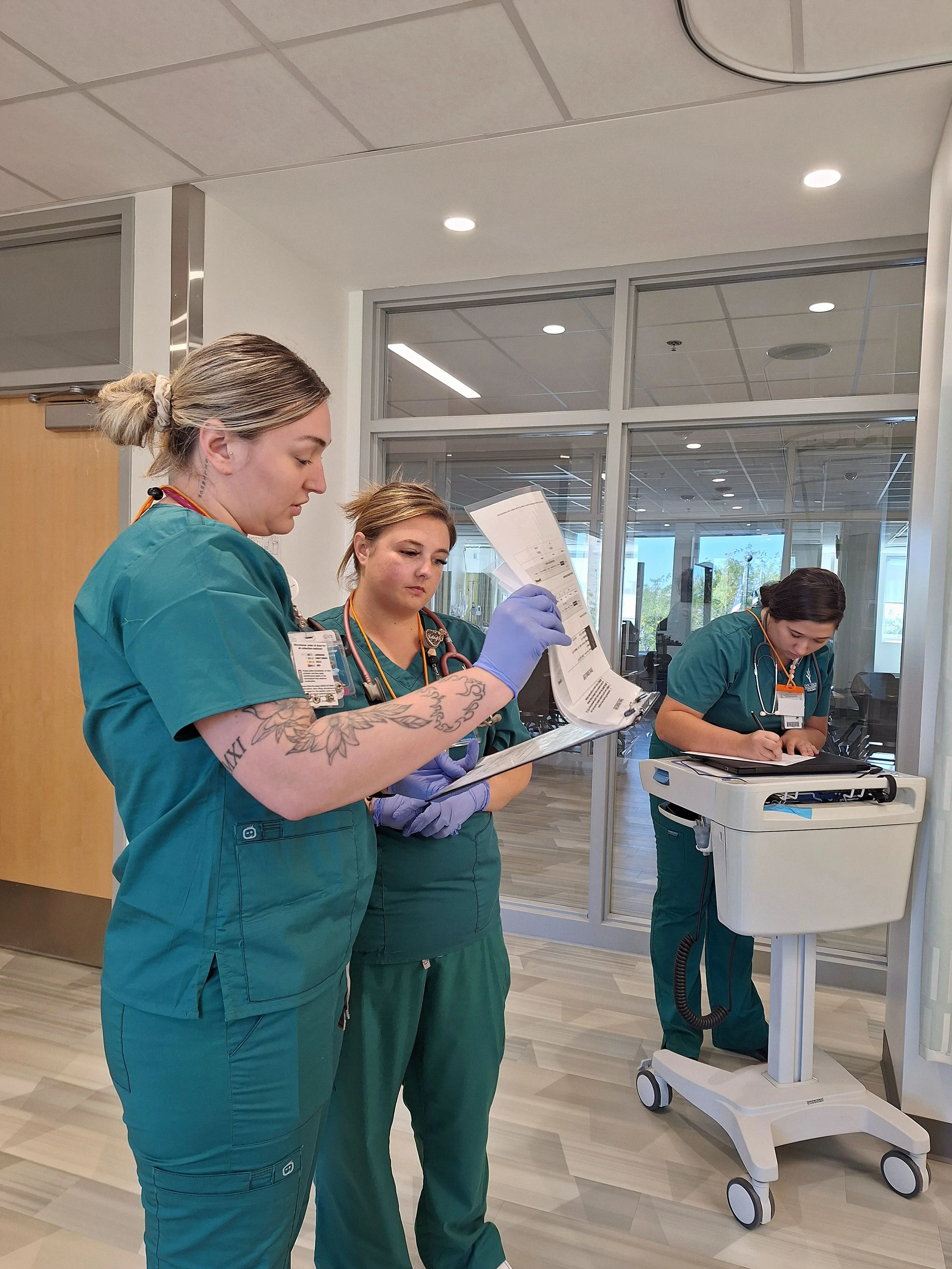
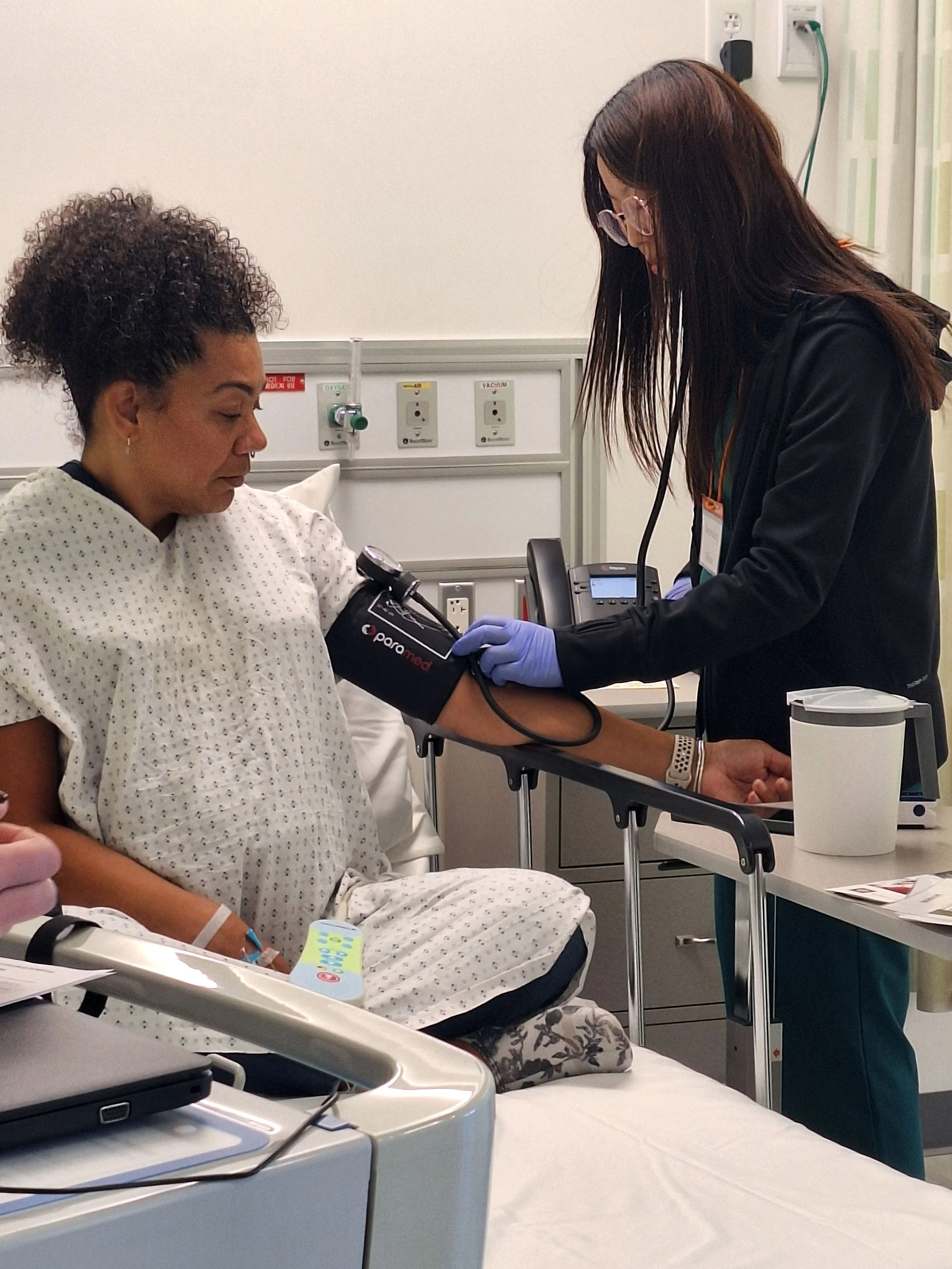
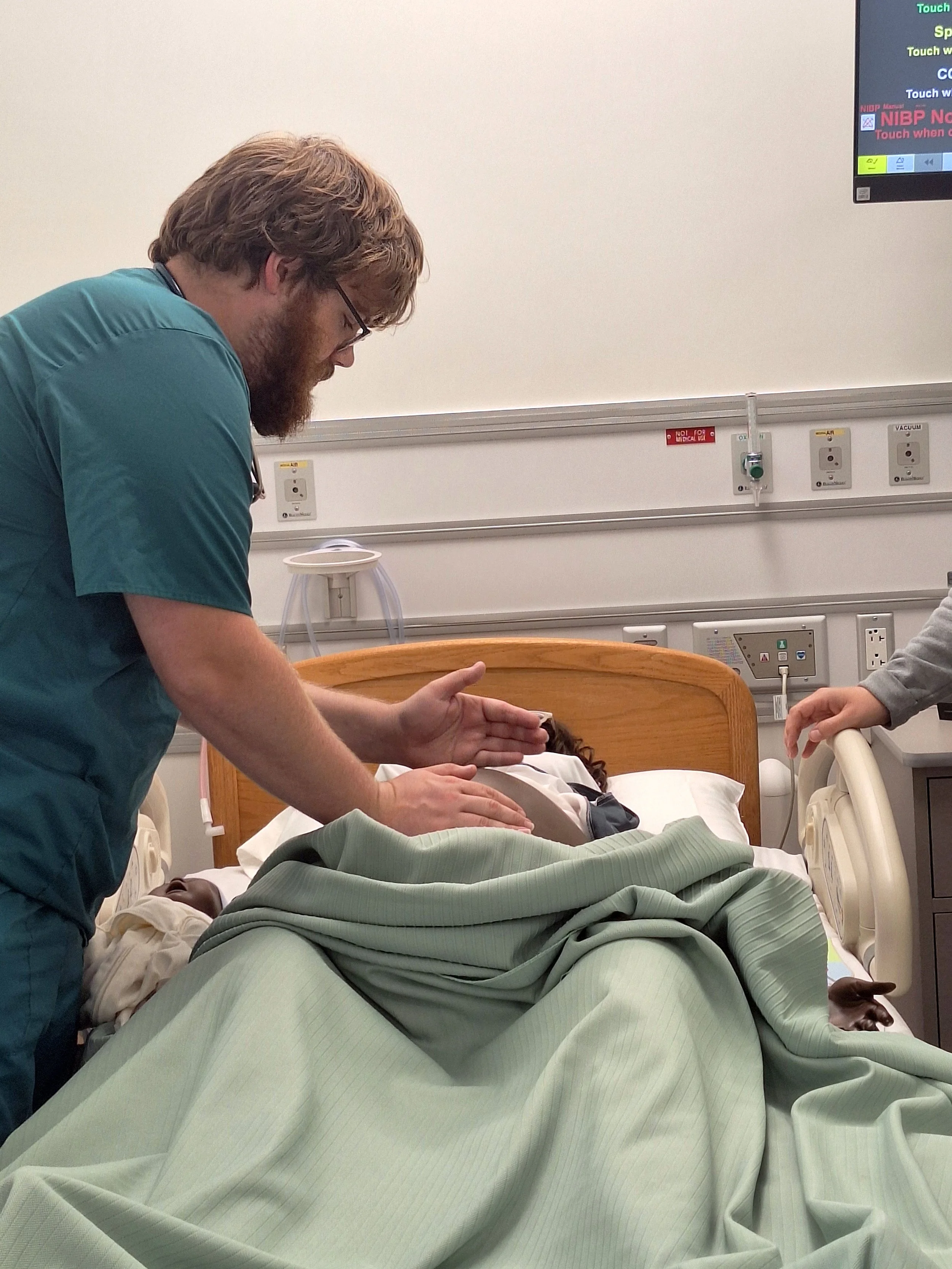
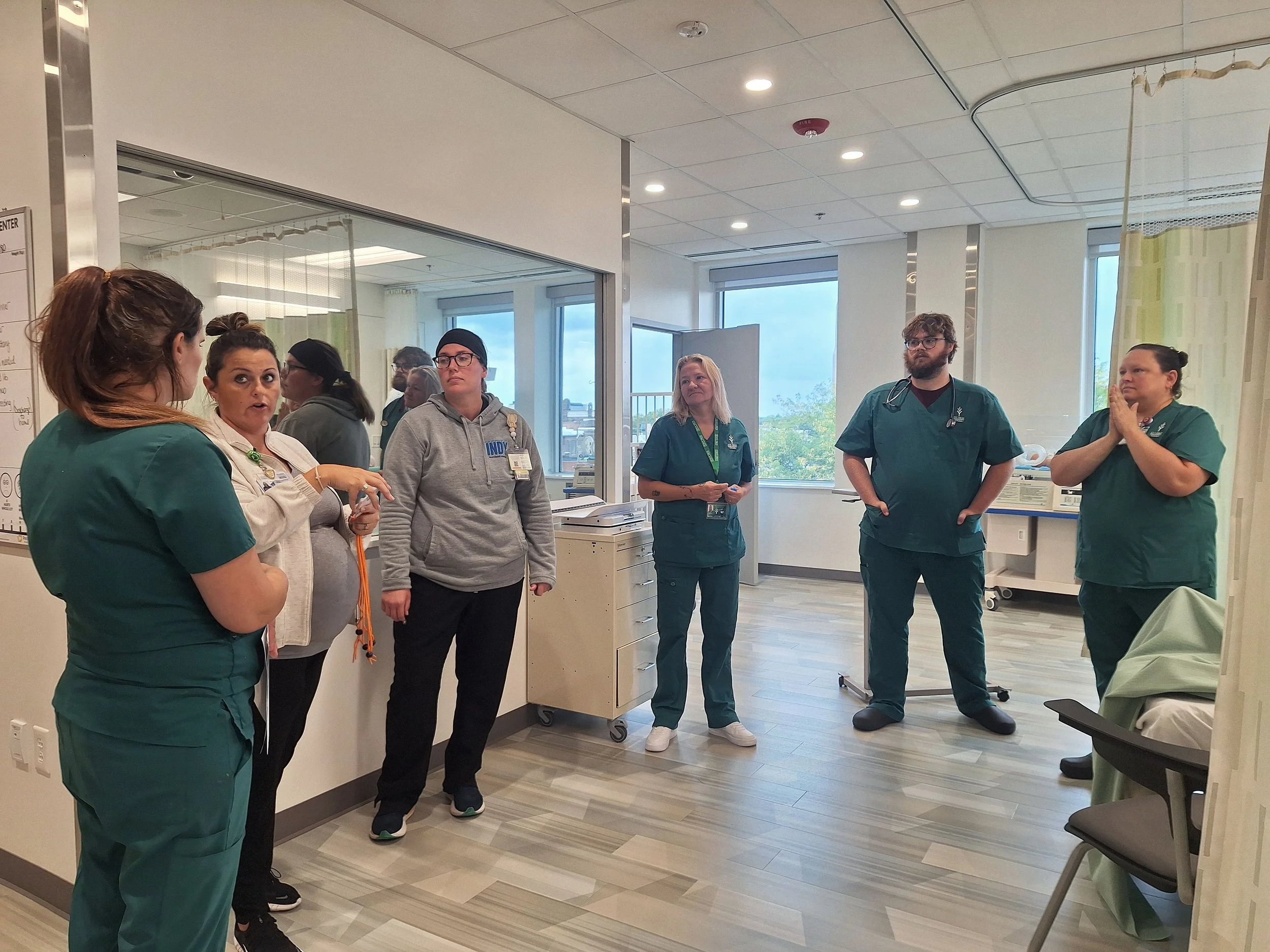
A major milestone in this work came in 2018, when BBF awarded a $1 million grant to renovate the fourth floor of the John and Janice Fisher Building. The space now serves as a state-of-the-art School of Nursing, where simulation labs mirror real hospital environments like IU Health Ball Memorial and help students build confidence before entering clinical settings.
“Our graduates are preferred because they’ve already done the work in real-world settings,” shared Dr. Qiana Clemens, Vice Chancellor of Academics and Advancement. “Clinical placements often turn directly into jobs.”
In the years since the creation of the “Ball Brothers Foundation School of Nursing,” BBF’s support has helped Ivy Tech Muncie both respond to immediate needs and build toward long-term solutions in the healthcare training sector. In 2019, funding supported the exploration of a new pathway for certified nursing assistants (CNAs) to advance into licensed practical nurse (LPN) roles—addressing a common challenge for workers looking to grow in their careers.
That work helped create a model that allows students to start working quickly, then continue building their credentials over time. In the years that followed, Ivy Tech has launched a series of new healthcare offerings, including a popular sonography program and, more recently, a new EMT pathways program. With growing demand for emergency medical professionals across the region, and limited space in competitive healthcare programs like nursing, the EMT program creates another entry point into the field. Students can gain hands-on training, earn certification, and step into the workforce quickly, or use it as a foundation for advancing into nursing or other healthcare careers.
These initiatives reflect a broader focus across the region on “growing your own” healthcare workforce—creating opportunities for local students to train, stay, and work in the communities they call home.
Student Access & Success
But staying enrolled and finishing programs can be just as challenging for students as getting accepted into academic programs. This is especially true for students balancing work, family, and financial pressures.
Over the past two decades, BBF has supported a range of Ivy Tech programs that help students navigate those challenges. Early efforts like the Step-Up program focused on college readiness, giving high school students extra support in subjects like math and reading before they ever stepped onto campus.
Programs like ASAP (Accelerated Associates Program) helped students who were ready for college but facing financial barriers to complete an associate degree in an accelerated, more affordable format. For many, that meant finishing in one year instead of two and continuing to a four-year university for additional credentials.
Most recently, the C3PO College & Career Concierge program is helping students navigate the full college experience, including exploring career options, enrolling in classes, and staying on track through graduation. With more personalized advising and tools to monitor progress, the program is designed to make sure students have the support they need along the way.
“We don’t want students choosing between paying their bills and going to school,” Dr. Clemens said.
Ivy Tech works to address the barriers students face in their lives by connecting them with resources and building flexibility into how programs are delivered.
Rapid Response
One of Ivy Tech Muncie’s greatest strengths is its ability to respond quickly when new needs emerge—whether filling a gap in the workforce, adapting to shifts in technology, or addressing unexpected crises.
That responsiveness can be seen in initiatives like the program developed several years ago to help local law enforcement officers better understand and combat cybercrime. Through BBF Project Sybertooth funding, officers from the Muncie Police Department, Delaware County Sheriff’s Office, and Ball State University Police Department participated in Ivy Tech IT, networking, and cybersecurity operations courses.
Ivy Tech’s agility has also been critical during urgent moments, such as the COVID-19 pandemic. Working alongside community partners, the college helped address immediate workforce and training needs at a time when local systems were under pressure.
Many of these efforts begin not as long-standing programs but as ideas that are tested, refined, and scaled when successful. This culture of experimentation, learning, and adaptation ensures that programs remain relevant to the region’s evolving economy and workforce. Ball Brothers Foundation funding has been essential in supporting Ivy Tech’s ability to pilot programs and explore new approaches over the years.
“This partnership has become part of the fabric of our community and how we think about solving problems,” said Skene. “It is an honor to work closely with organizations like Ball Brothers Foundation to address important local needs.”
Through a combination of capital funding and program support, Ball Brothers Foundation has helped Ivy Tech align education with local employer needs, creating pathways for students to take the next step toward futures they can build right here at home.