
East Central Indiana's Answer to the Healthcare Talent Shortage is to Grow Your Own
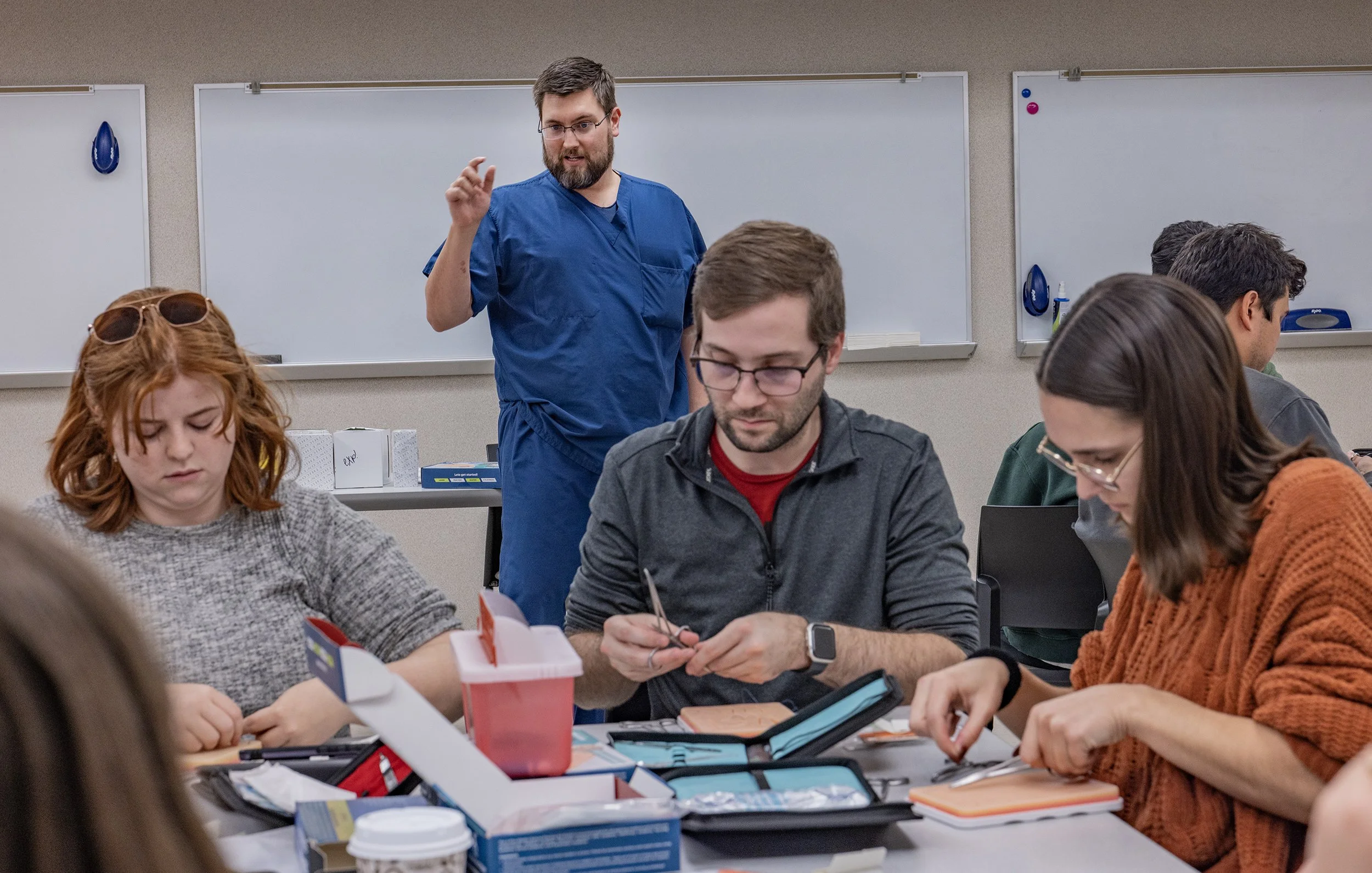
IU School of Medicine-Muncie
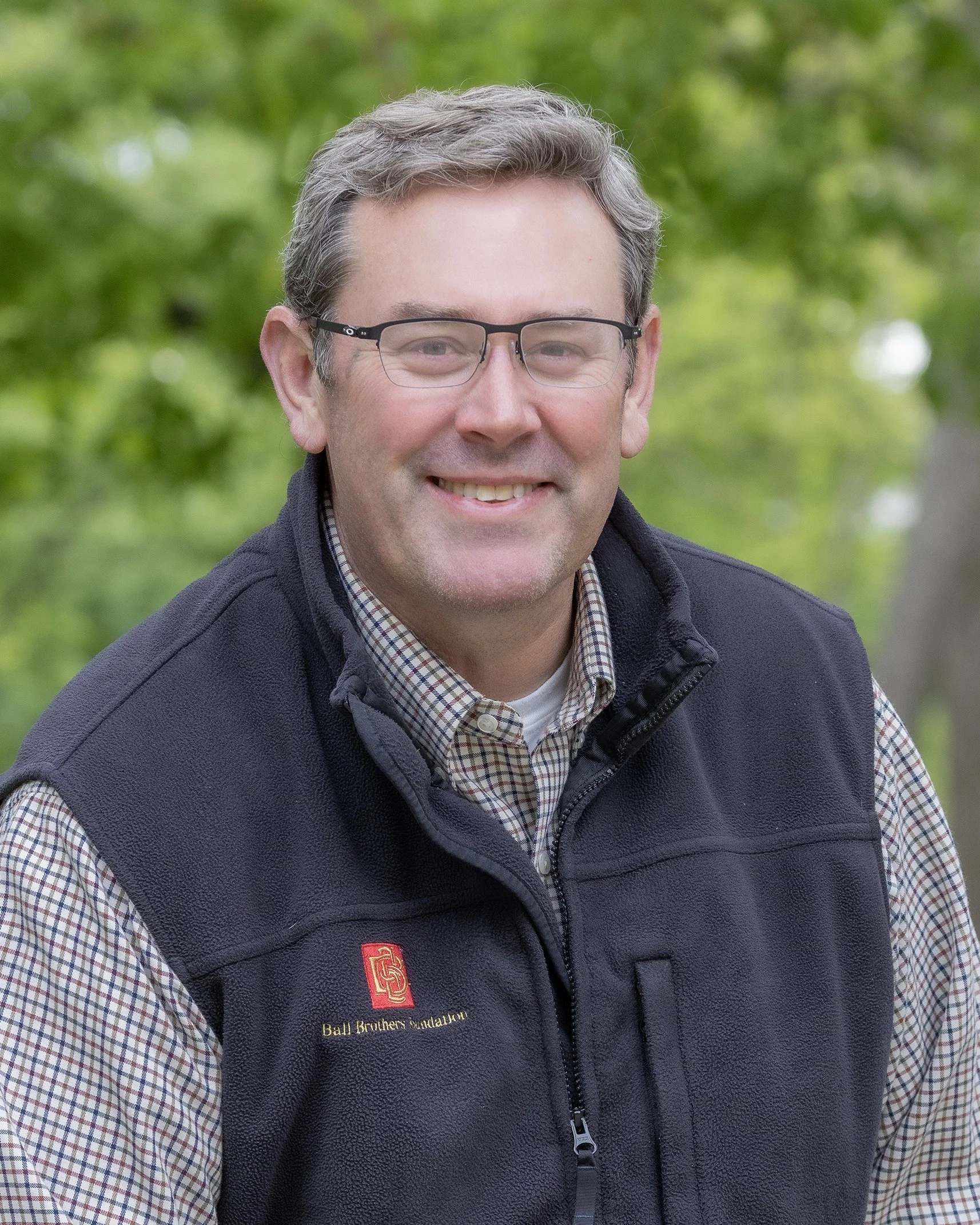
Jud Fisher, BBF President & CEO
Op-Ed by Jud Fisher
Indiana needs healthcare talent, and East Central Indiana is demonstrating what it takes to grow your own.
The state’s healthcare workforce challenges won’t be solved by recruiting talent alone. We must grow our own. The strongest workforce pipelines begin years before a student ever applies to medical school or a nursing program—they begin the moment young people can envision a future in healthcare. That discovery is happening earlier than ever, often in high school and sometimes before, as more young people start seeing healthcare as a path worth pursuing. To be successful, students also need a community willing to support them through education, clinical training, and into the workforce. The future of Indiana healthcare depends on communities that can connect education, training, and employment, and our region is proving that model works.
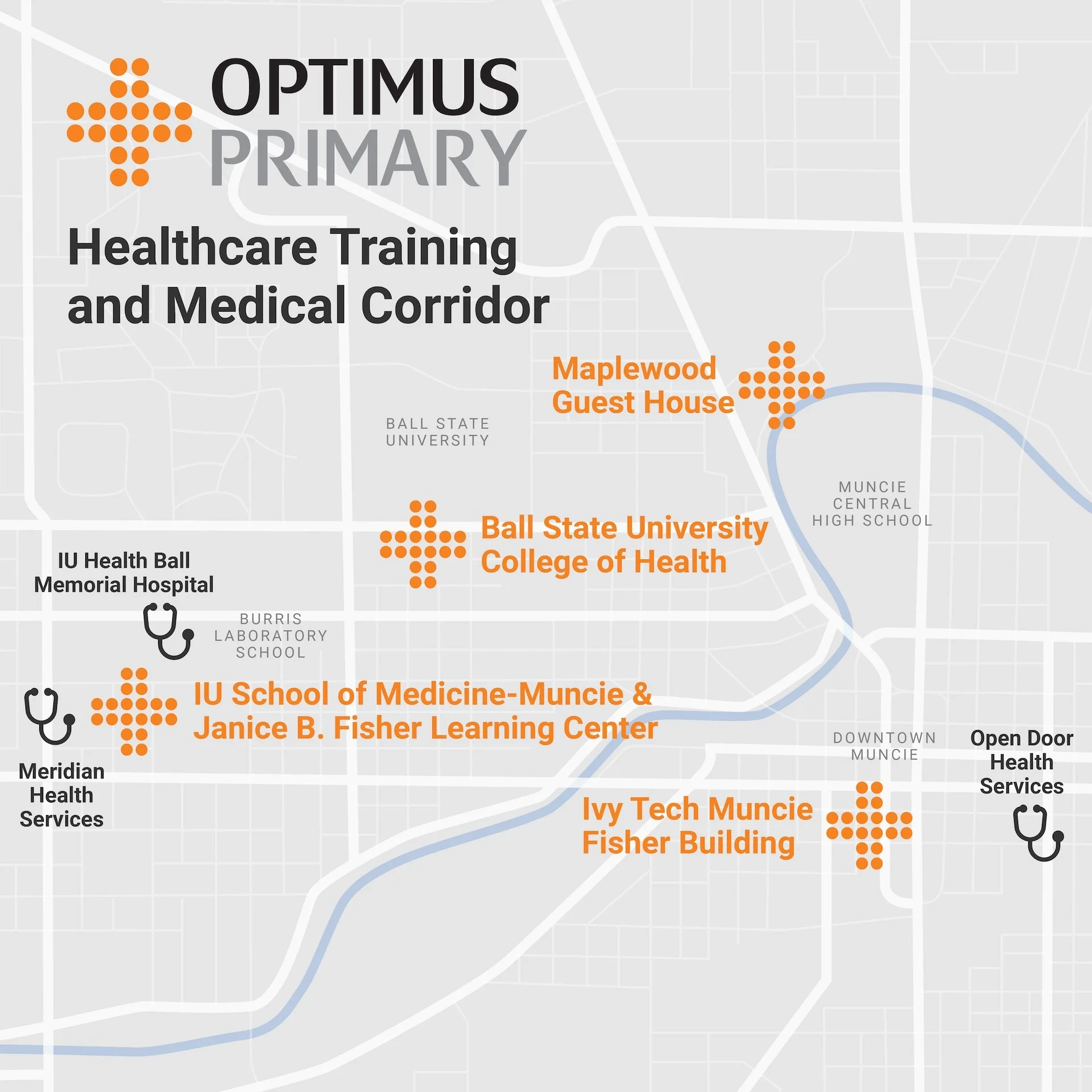
Within a few square miles of downtown Muncie, schools and hospitals have effectively built a healthcare talent corridor, a place where a student can move through nearly every stage of healthcare preparation without leaving the community. It starts with career exploration in K-12 classrooms, continues through industry credentials and associate and bachelor’s degrees, and carries on through graduate education, medical school, and residency.
Ivy Tech Community College is training students for high-demand jobs in sonography, nursing, EMT services, sterile processing, and pharmacy technology. Ball State University is preparing nurses, health scientists, and allied health professionals. The IU School of Medicine–Muncie is training the physicians of tomorrow. Both BSU and IU School of Medicine-Muncie are working together to offer a Bachelors to MD program that grants provisional admissions to medical school for select Ball State students. And IU Health Ball Memorial Hospital is where much of that training becomes real, through clinical rotations and residencies.
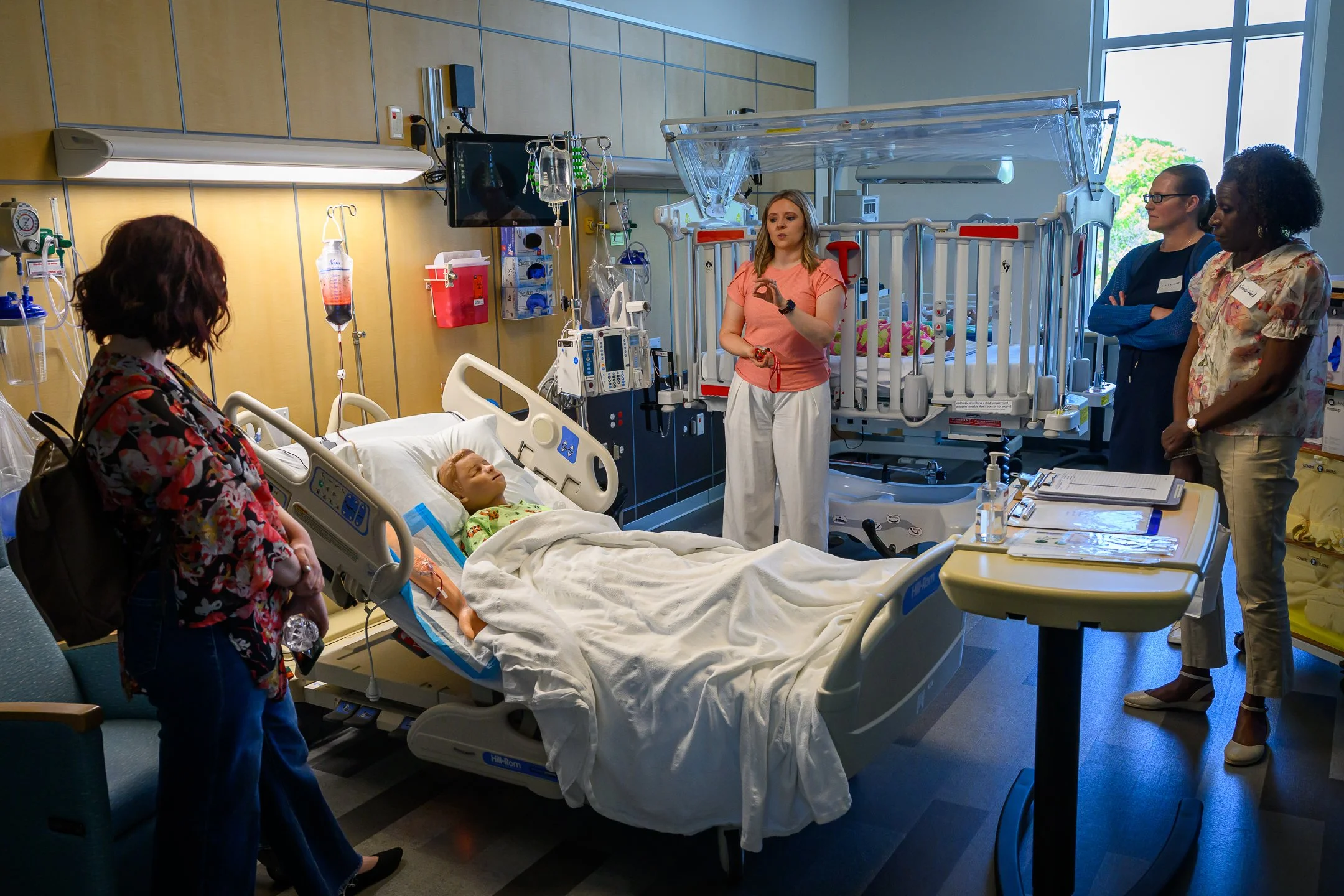
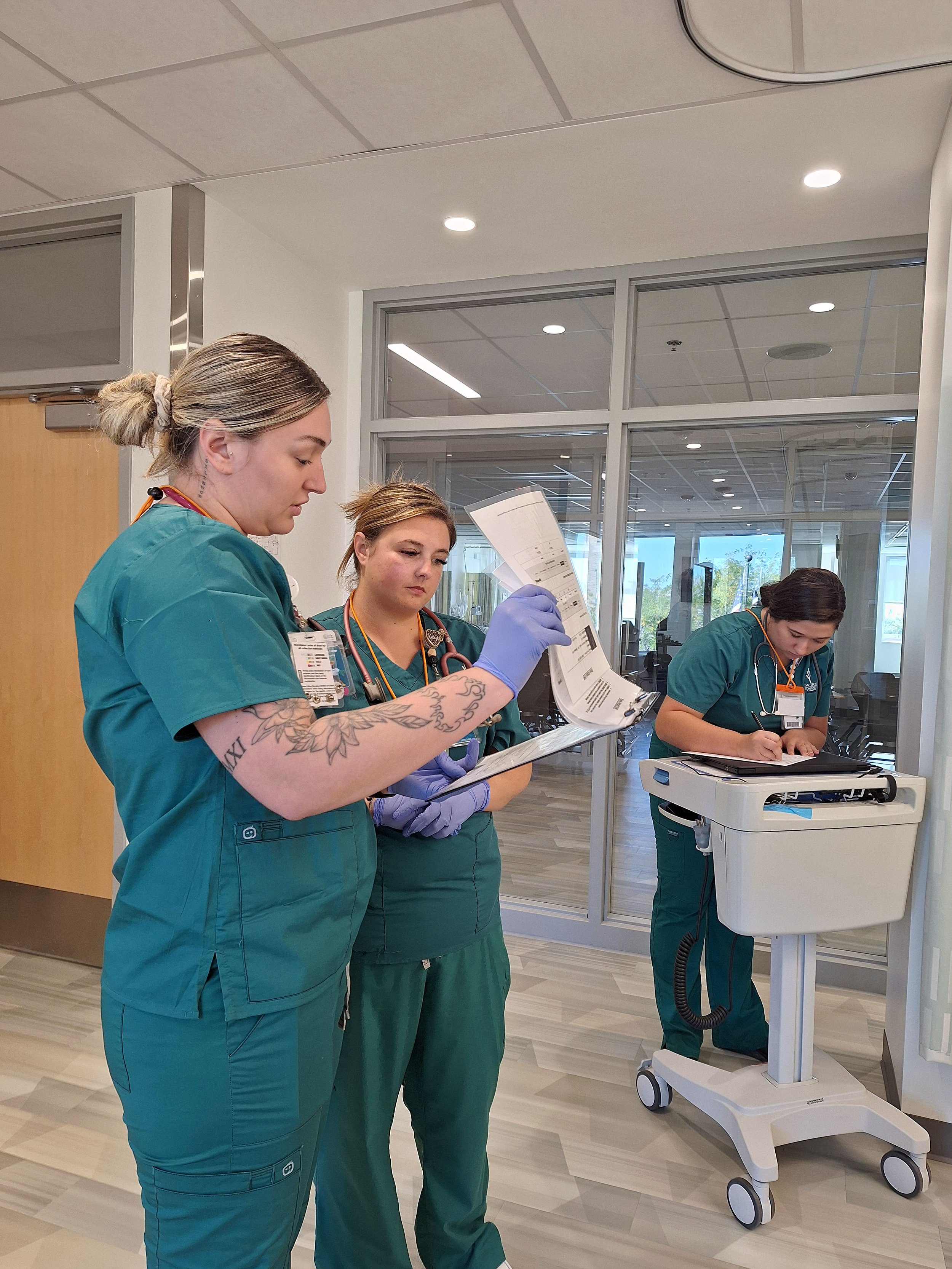
Plenty of communities have a piece or two of this puzzle. Few have all of them, sitting this close together, working this well together.
None of that happens by accident. The real advantage isn't any one institution. It's that our institutions talk to each other. Healthcare providers tell educators what they need, and educators build toward it, often faster than more traditional workforce systems allow. Ball State's Healthy Lifestyle Center is a good example: graduate students work alongside students from the IU School of Medicine–Muncie to deliver real patient services, giving both groups hands-on experience most students in the state don't get until much later in their training. Healthcare workforce development is a team sport, and East Central Indiana has built a winning model.
Sonography is the clearest proof of that. When local healthcare providers identified a shortage of sonography technicians, Ivy Tech didn't wait for a lengthy planning process. They built a program around the need. Students who complete it now have a direct line into a career that can pay upwards of $80,000 with just an associate degree, whether that means staying home to work at IU Health Ball Memorial Hospital or taking that training to Indianapolis and beyond. Workforce needs will keep shifting. What matters is whether a community can move as fast as the need does, and ours has.
But a pipeline this strong doesn't start in a classroom at Ivy Tech or the IU School of Medicine. It starts much earlier, when a young person begins to see a future in healthcare. This is where I think our region's work shows strong potential in the years ahead. At Muncie Central High School, health science has ranked the No. 1 career interest among students year after year. During the 2025-26 school year alone, more than one in four juniors and seniors named a health science career as their top choice during one-on-one Career Discovery Meetings led by career coaches from Project Leadership, a nonprofit that helps East Central Indiana students explore careers and plan for life after high school. That's what our own kids are telling us they want to do.
We owe it to them to show just how wide that field really is. Healthcare isn't only doctors and nurses. It’s medical assistants and public health workers, respiratory therapists and EMTs. Behind-the-scenes hospital tours, job shadowing opportunities, career exploration days, and stronger ties between our high schools, colleges, and employers are helping students see all of it. We’re proud that between 2025-2026 alone, IU Health Ball Memorial Hospital has hosted over 750 students for career exploration days, almost 90 students in high school internships, and nearly 50 students in job shadowing experiences. The earlier a student envisions themselves in this field, the stronger our future workforce becomes. These are the kinds of opportunities that make that happen.
Indiana’s challenge has never really been just about training enough healthcare professionals. It’s keeping them. As one of the state’s oldest family foundations, we’re particularly proud to support institutions across East Central Indiana that are developing creative solutions to strengthen the healthcare pipeline and give students a reason to stay through an initiative we’ve dubbed Optimus Primary. This work is helping shape Indiana’s healthcare future and demonstrates what’s possible when institutions come together to grow and retain talent.