
BBF 100: Rooted in Downtown Muncie
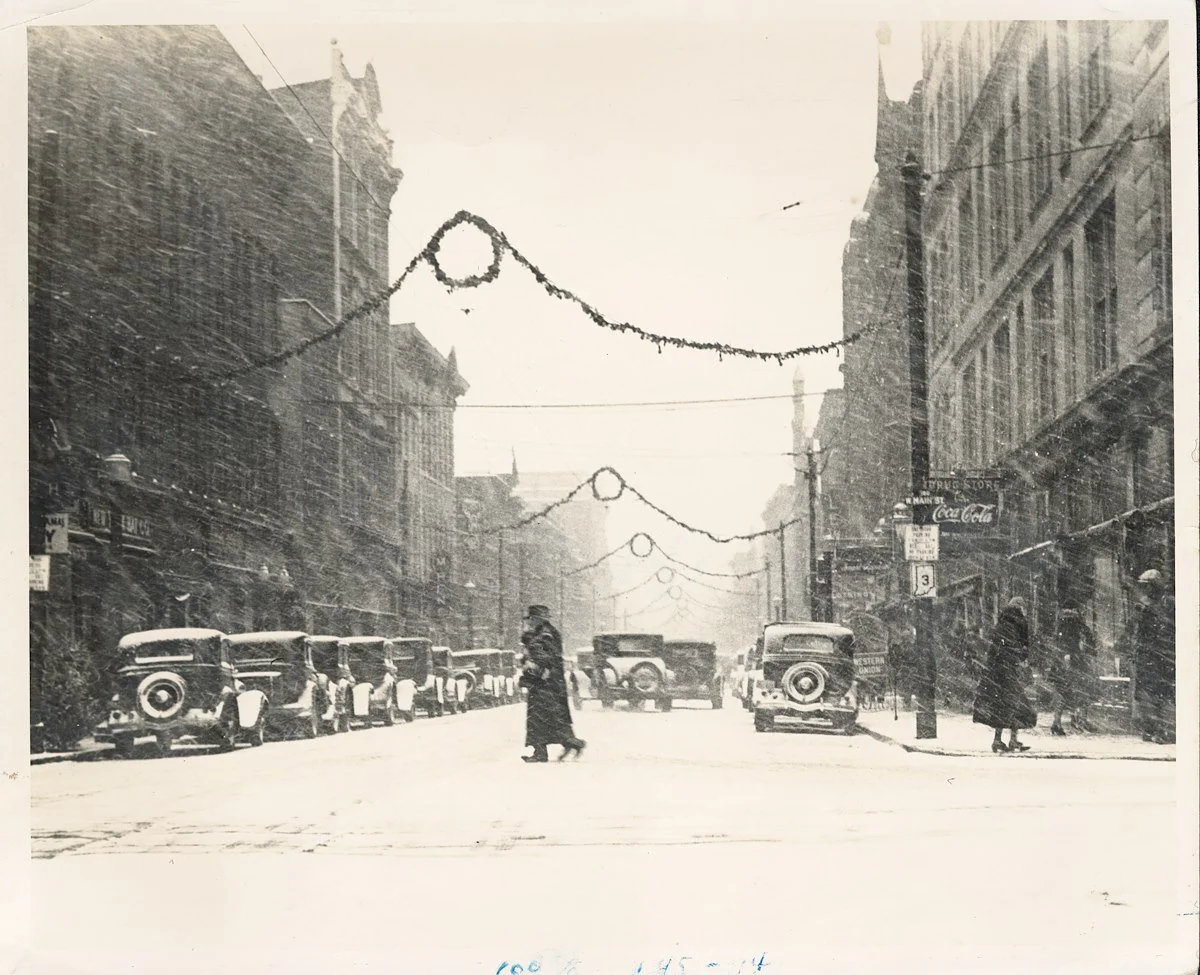
Downtown Muncie, Christmas Eve 1935
Throughout its history, Ball Brothers Foundation and the Ball family have been closely connected to downtown Muncie—not only through buildings and businesses, but through a longstanding interest in the vitality and future of the city’s center. That connection began as Muncie was undergoing a remarkable transformation.
The discovery of natural gas and oil in 1886 helped turn the quiet county seat of Muncie into one of Indiana’s emerging industrial centers, bringing factories, workers, and new wealth to the region. Among those drawn to the “Magic City” were the Ball brothers of Buffalo, New York, who relocated their glass manufacturing business to Muncie in the 1890s after a fire destroyed their Buffalo factory. The brothers and their families quickly immersed themselves in the life of the city, serving on boards and commissions, supporting fundraising campaigns, and even helping guarantee deposits at Muncie banks during the Great Depression.
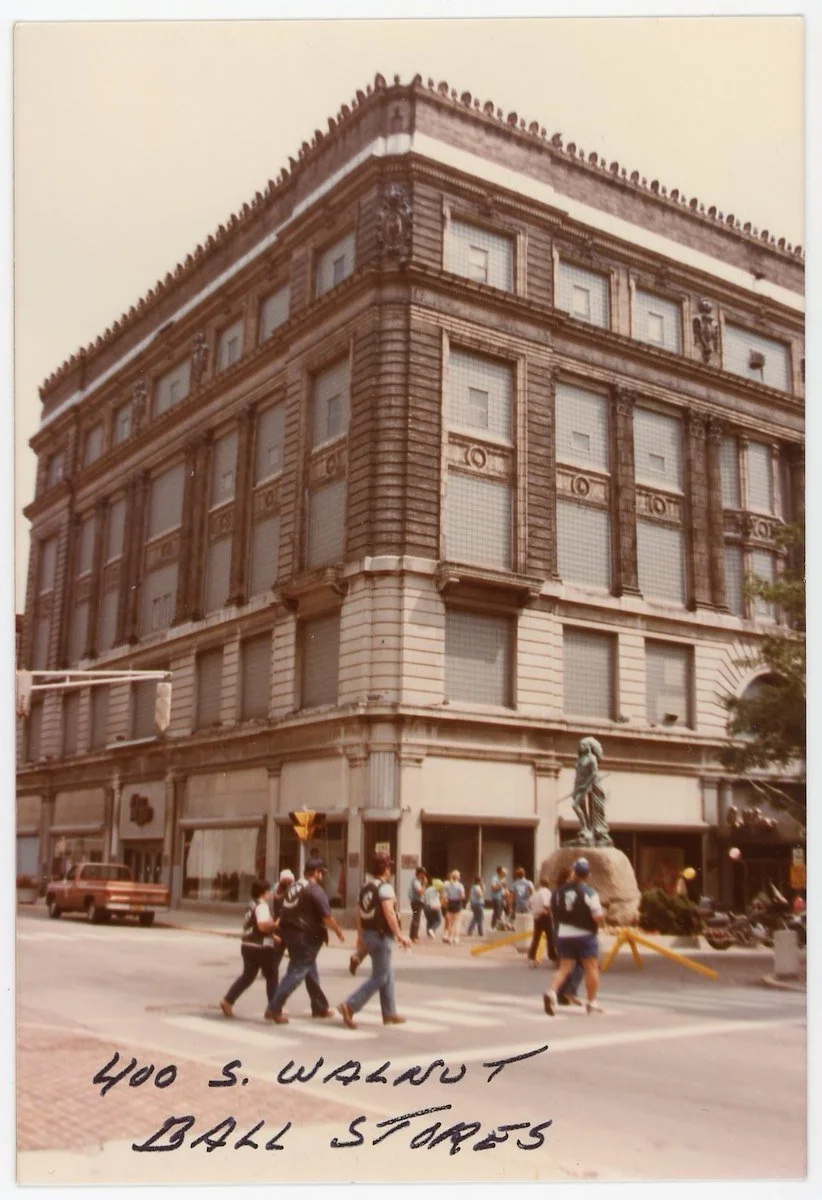
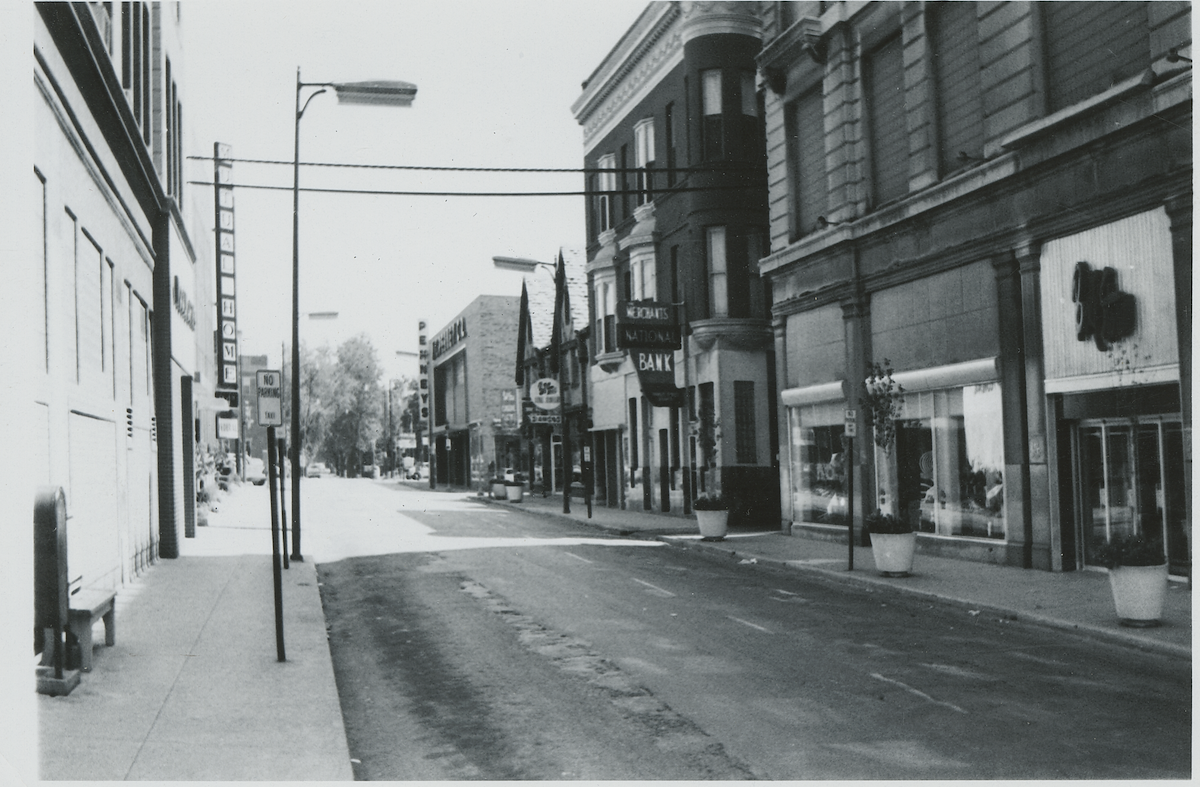
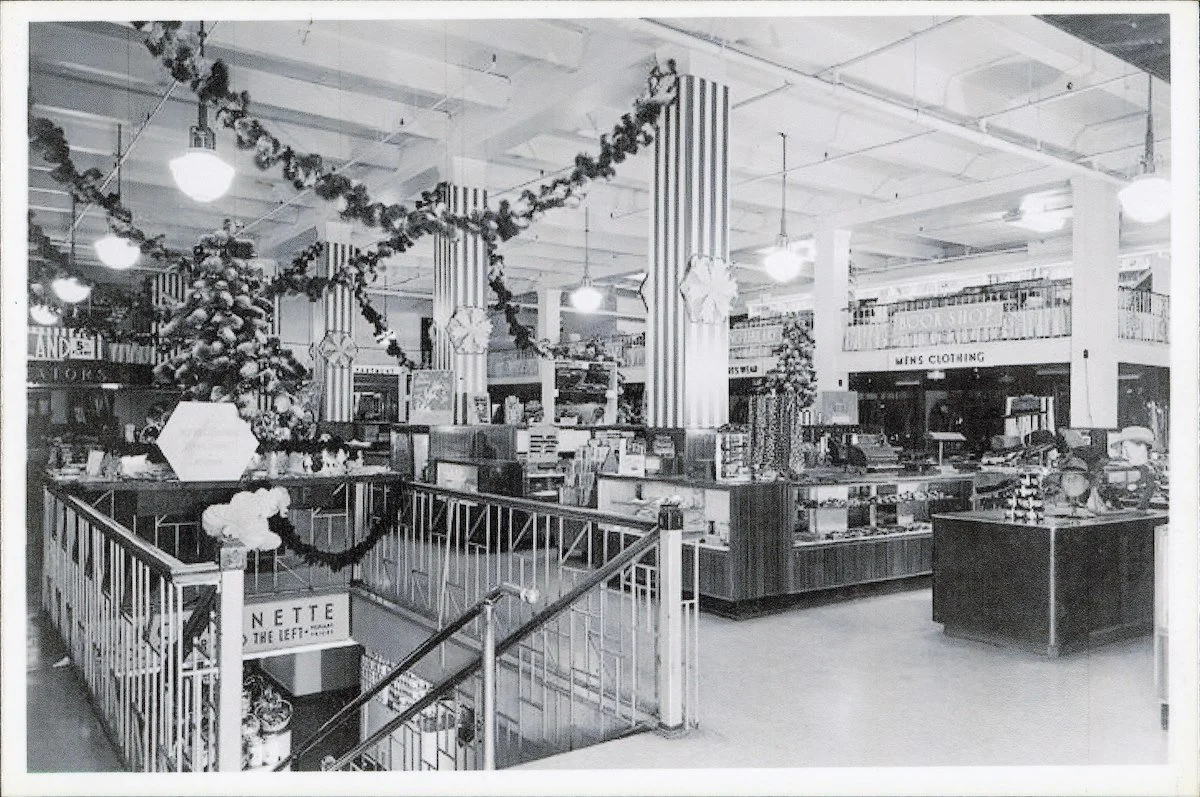
Their involvement in the community also extended to the health of downtown Muncie’s economy. In the 1930s, just a few years after Ball Brothers Foundation was established, brothers Frank and George Ball became concerned about how they might help boost the community’s economy as the Great Depression stretched on. When the W.A. McNaughton Company—the leading department store in downtown Muncie at the time—declared bankruptcy, concern that the store would be sold to an outside chain prompted Ball Brothers Company to purchase it at auction. Extensive remodeling followed, and on November 12, 1934, The Muncie Evening Press announced the grand opening of “Ball Stores” at Charles and Walnut Streets. More than 50,000 people attended the opening-day celebration. Ball Stores would operate at this location and several others until the late 1980s.
The family’s interest in downtown extended beyond its own businesses and properties. In the 1960s, Ball Brothers Foundation provided funding to the City of Muncie for a Comprehensive Redevelopment Plan, helping establish a vision for downtown at a time when communities across the country were grappling with changing economies and shifting patterns of development. That plan was one of many efforts over the following decades that would shape the future of downtown Muncie as city leaders, businesses, and residents continued to consider how the city’s center could evolve.
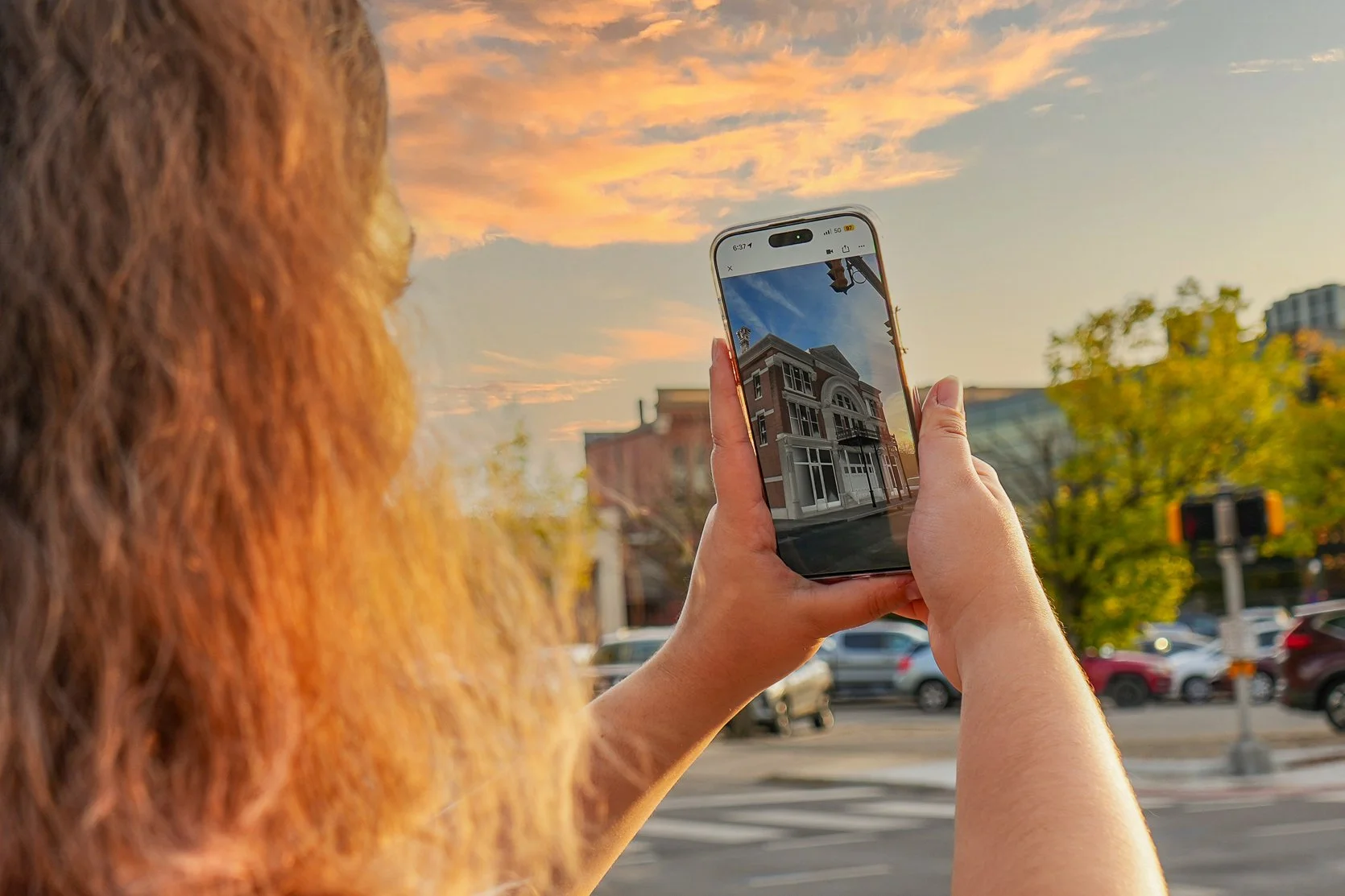
“Echoes of Muncie” Augmented Reality Experience
That long history of engagement with downtown continues today in many forms, including Ball Brothers Foundation’s support for public art and performance venues, branding and marketing of downtown, support for downtown concert series, and more. During BBF’s 100th year, the Foundation is also supporting a second installment of augmented reality experiences (download on Apple App Store or Google Play Store) that bring historic downtown buildings back into view. Through a grant to Muncie Downtown Development Partnership, BBF is helping fund the project, developed in partnership with Ball State University’s Institute for Digital Intermedia Arts (IDIA) Lab. The new experiences build on the Wysor Grand Opera House and Wysor Building + Courthouse experience introduced in 2025. During ArtsWalk on October 1, visitors will be able to use their smartphones to see digital recreations of historic buildings in the places where they once stood.
The two new experiences have especially strong connections to the Ball family and BBF: Ball Stores and the Rivoli Theatre. Ball Stores, once a familiar anchor of downtown shopping, will return to its historic location through the digital experience, while the Rivoli Theatre offers a more direct connection to BBF’s own history.
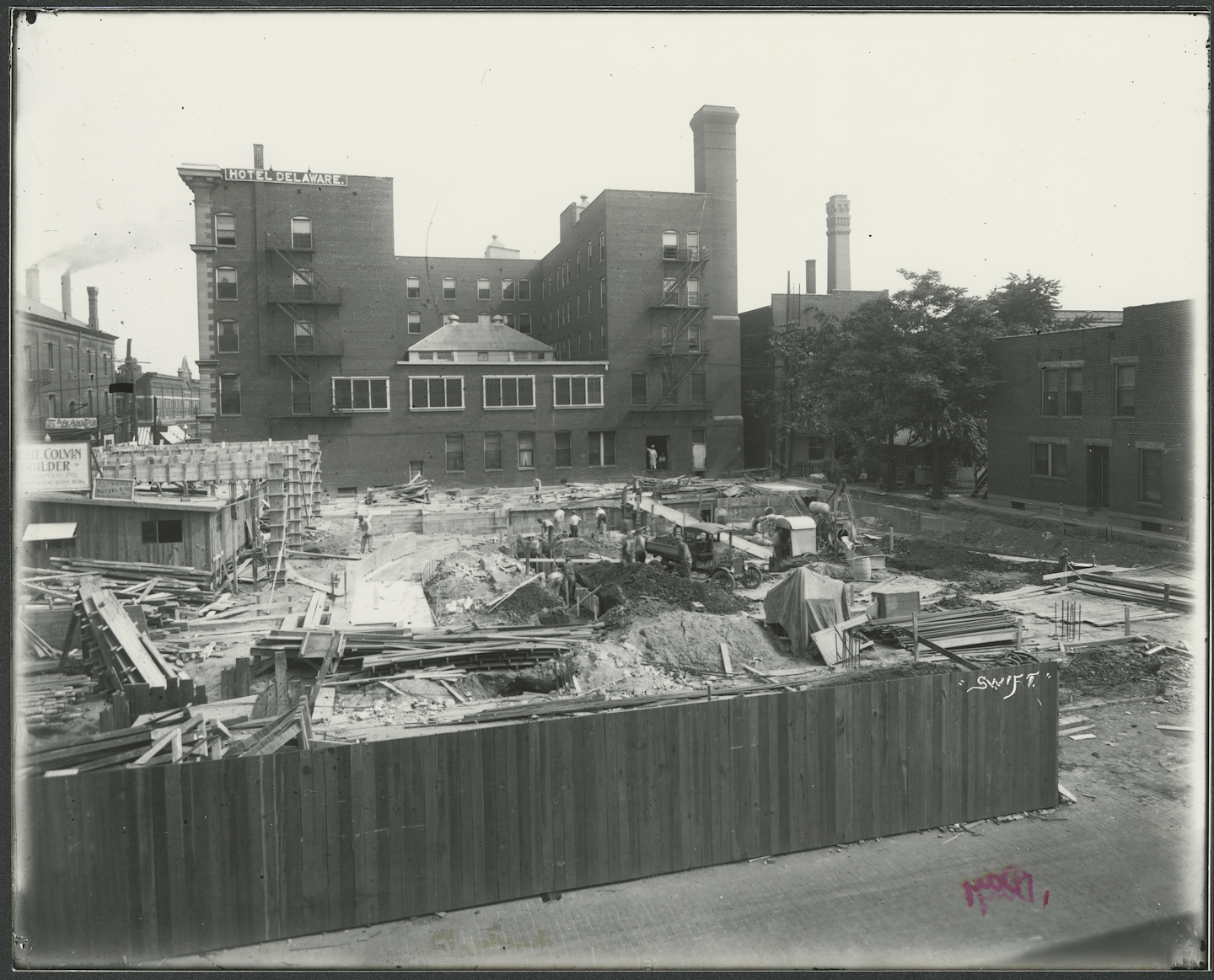
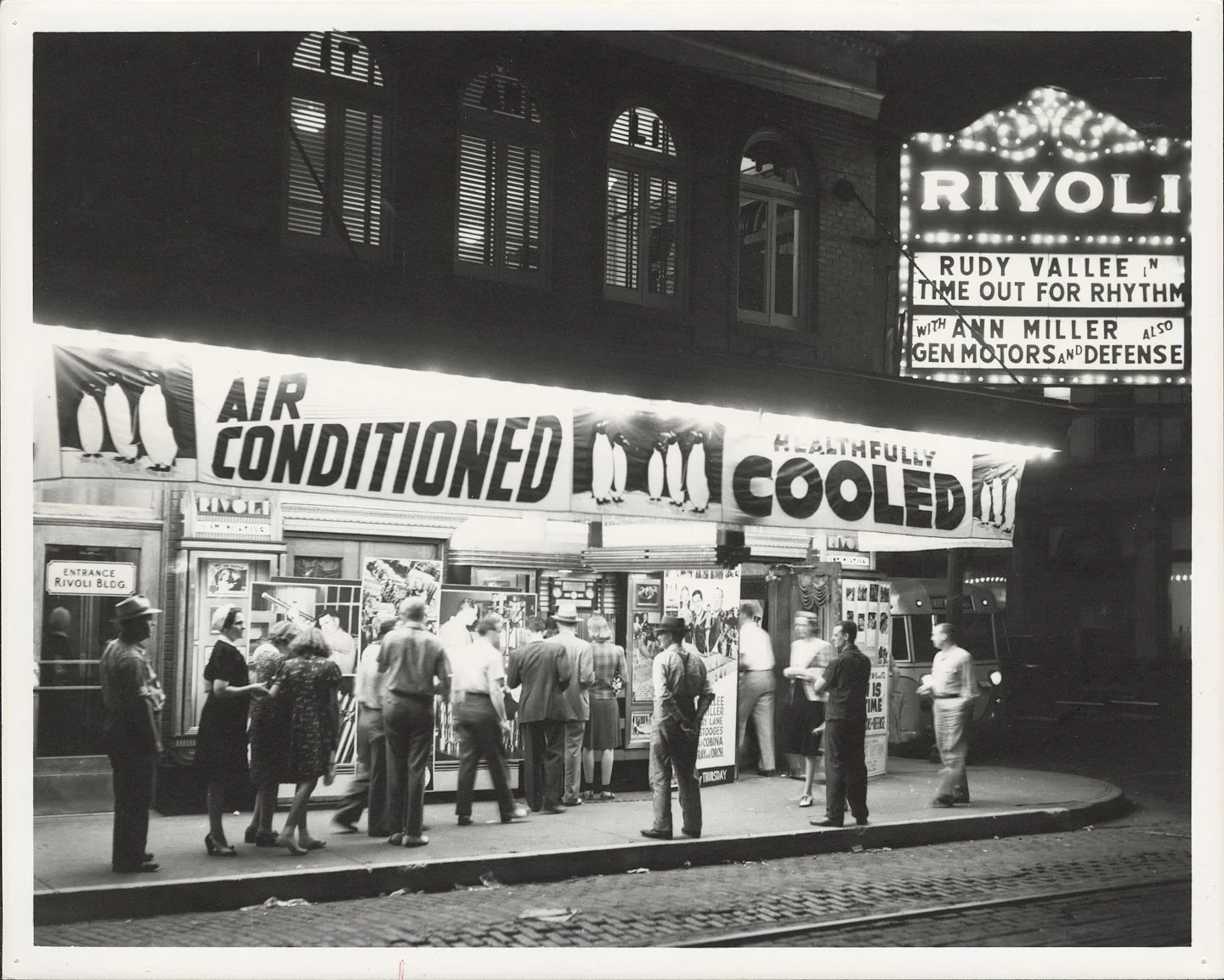
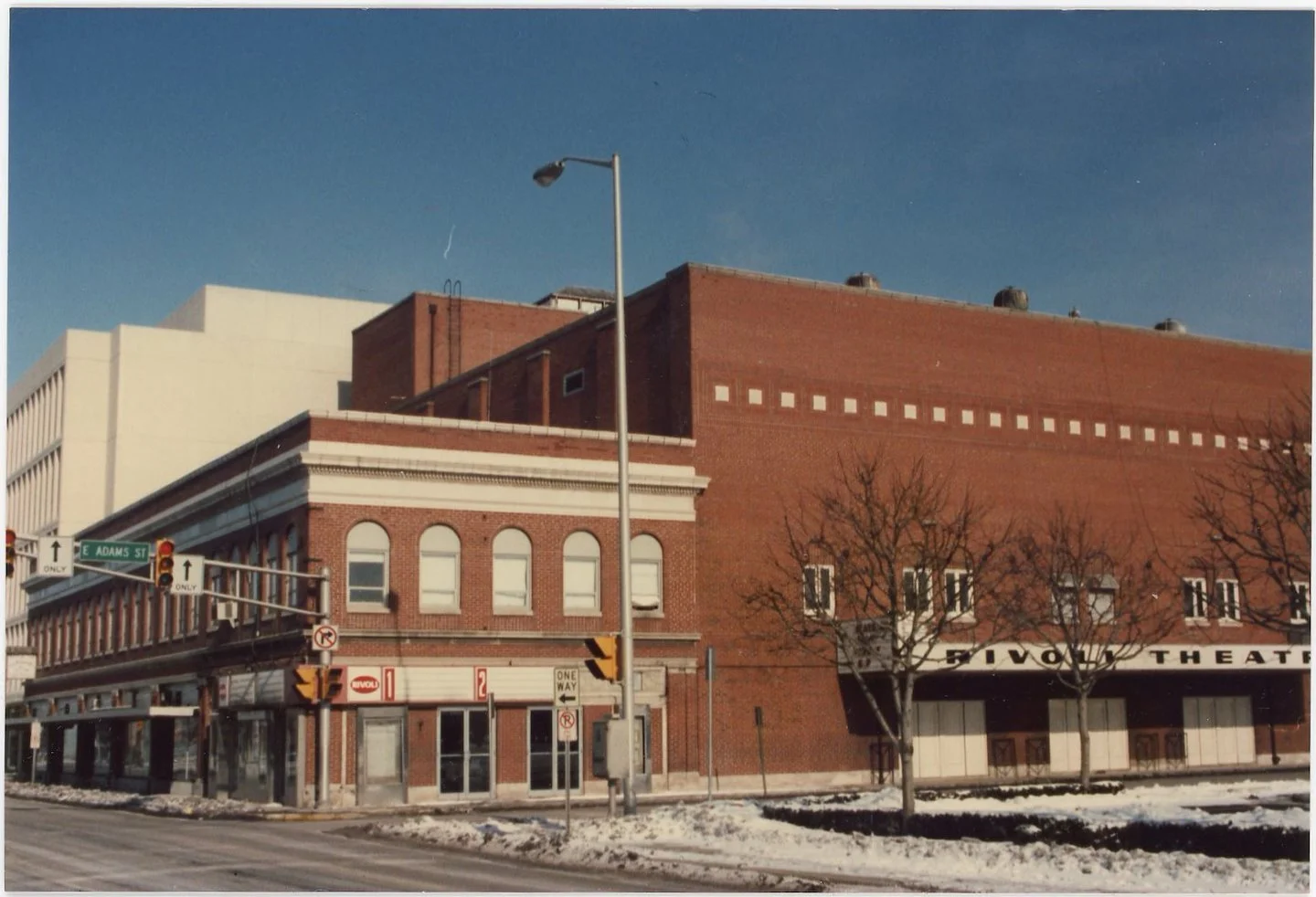
Originally constructed in 1925, the Rivoli served as Muncie’s “flagship” cinema throughout the mid-20th century. During its early days, the 2,000-seat theatre offered air-conditioning, all for a cost of just 10 to 25 cents per ticket. By the 1970s, the theatre had gone through a succession of owners, and its final film was shown in 1987. After the Rivoli’s days as a downtown entertainment destination came to an end, the site became home to the Ball Associates building. BBF moved its offices to this new building in the late 1980s, sharing the building with several other entities, including the George and Frances Ball Foundation.
Bringing these historic places back into view through augmented reality is more than a look at buildings that are no longer there. It offers a chance to see downtown as a landscape shaped by generations of people, businesses, and ideas. For BBF, that connection to downtown has been part of the story for more than a century. The augmented reality technology may be new, but the connection to place—and the belief that downtown is worth investing in, imagining, and reimagining—runs deep.
Interested in learning more about Ball Stores? Check out the book Ball Stores: East Central Indiana Shopping Center by local historian Karen Vincent, available for purchase at Minnetrista’s Orchard Shop. You can also step into the history of Ball Stores by visiting Minnetrista’s exhibit which displays objects and artifacts that illustrate the memories shared by those who experienced the magic of Ball Stores firsthand. On display through December 6.
Interested in learning more about the Rivoli Theatre? Check out this story by local historian Chris Flook.