
BBF 100: Historical Ties to Ball State University
“We’re going to make it the best school in Indiana.”
— F.C. Ball, 1917
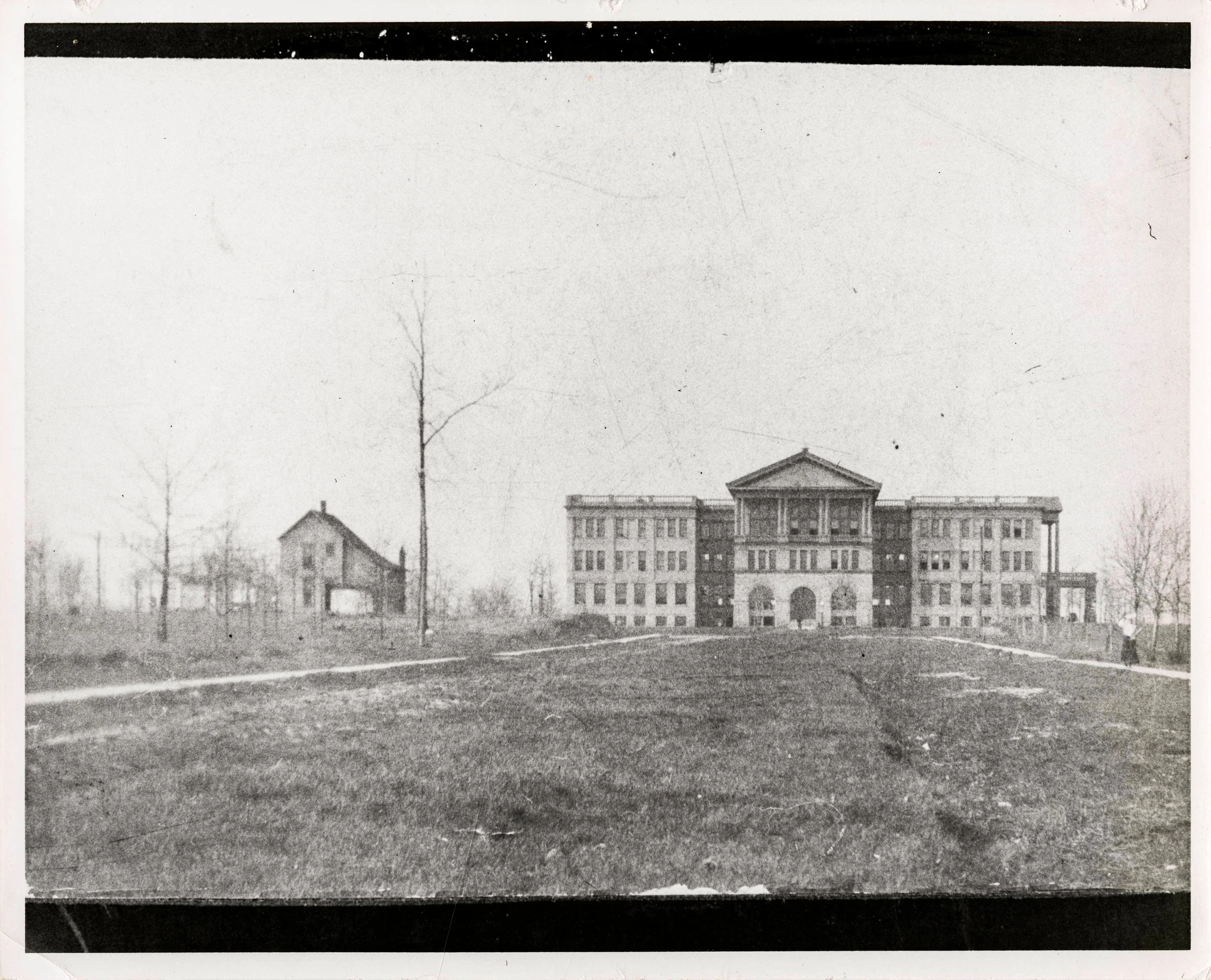
The origins of Ball State University trace back to 1899, when Muncie began efforts to establish a local institution for higher education. Several attempts followed, including the Eastern Indiana Normal Institute, Palmer University, and Indiana Normal School and College of Applied Sciences, but each struggled with financial challenges and enrollment issues. By 1917, the campus buildings had deteriorated and the future of higher education in Muncie was uncertain.
After community efforts to sustain the struggling college failed, the campus and its buildings were put up for auction. The school's main building had stood largely unused, but it remained one of Muncie's most recognizable landmarks. Concerned that the property might be purchased by an out-of-town buyer, several of the Ball brothers anonymously submitted a bid and successfully purchased the college at auction.
Rosemary Ball Bracken, the youngest daughter of Frank and Bessie Ball, later recalled the story of her father’s announcement: "We were sitting at the luncheon table when he suddenly said, 'Well, Mother, we bought a college this morning.' Surprised, my mother said, 'Well, Father, what are we going to do with it?' Father beamed as he looked at my mother and said, 'We're going to make it the best school in Indiana'" (Earl Conn, Beneficence: Stories about the Ball Families of Muncie).
Several months later, the campus, its grounds, and its buildings were donated to the State of Indiana. The gift became the Eastern Division of the Indiana State Normal School, which opened in 1918 to help address Indiana's growing need for well-prepared teachers. In recognition of the Ball family's generosity, the institution was renamed Ball State Teachers College in 1929.
That act of civic leadership marked the beginning of a century-long commitment to higher education in Muncie. Through Ball Brothers Foundation—as well as two other foundations carrying the Ball family name and gifts from individual family members—support for Ball State University has continued across generations. Funding for new facilities, academic programs, arts and culture, public broadcasting, teacher education, and transformational partnerships have helped the university grow alongside the community it serves.
A Century of Ball Brothers Foundation Support for Ball State University
Building the Foundation for a Growing College (1920s–1930s)
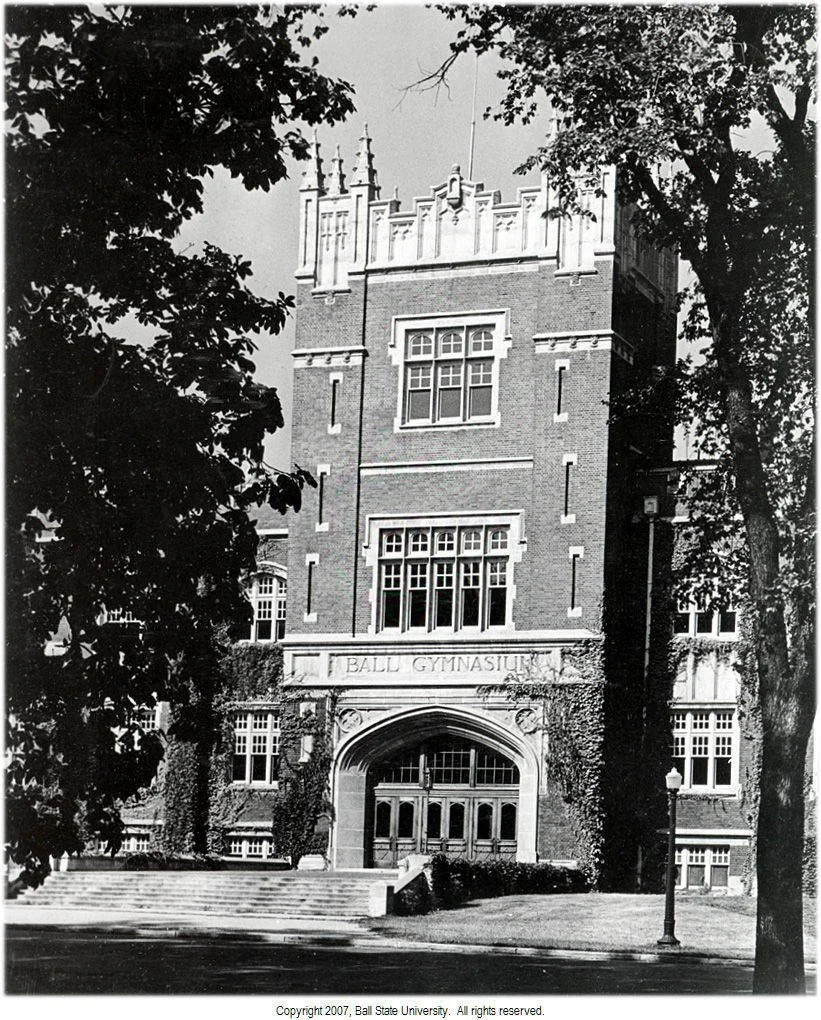
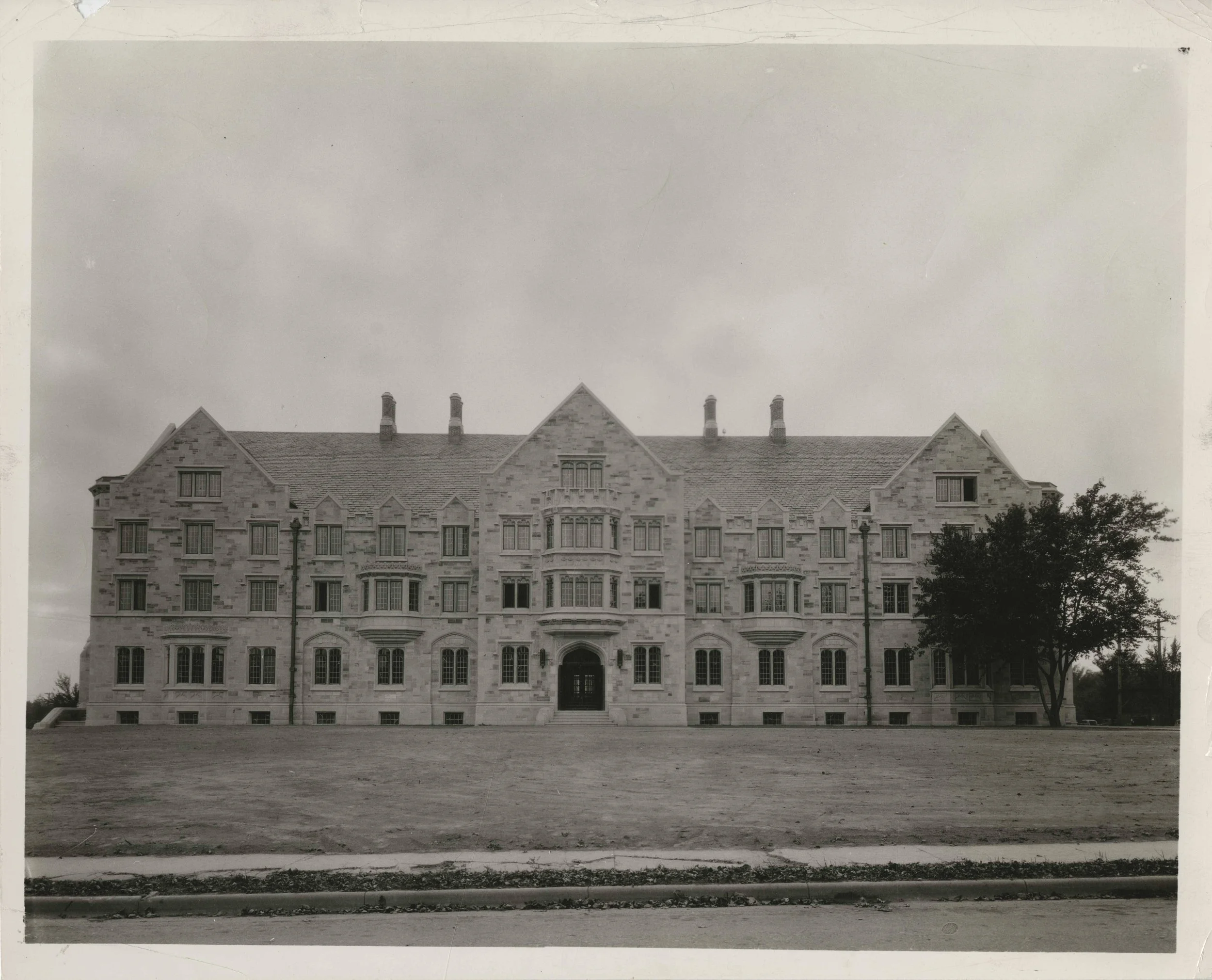
After Ball Brothers Foundation was established following the death of Edmund Burke Ball, early support for Ball State Teachers College focused on strengthening the campus and expanding opportunities for students. During the foundation’s first decades, grants supported important campus investments, including residence halls and improvements to Ball Gymnasium. Following the tragic death of family member Frank Elliott Ball in a 1936 plane crash, Ball Brothers Foundation used a portion of life insurance proceeds to support the construction of Elliott Hall, a men’s residence hall at Ball State Teachers College. These early investments reflected the foundation’s continued commitment to higher education and the growth of the institution dear to the Ball family.
Supporting Education During a Time of Change (1940s–1950s)
The 1940s brought significant challenges and uncertainty around the world, but BBF’s commitment to education and cultural enrichment continued. During this time, the foundation joined other members of the Ball family in loaning artwork to Ball State Teachers College, giving students and the community opportunities to engage with the arts.
Following World War II, as Ball State’s reputation in teacher education grew nationally, BBF supported efforts to strengthen the college’s academic mission. Grants encouraged future educators through programs for high school students interested in teaching careers, supported faculty professional development and conference travel, and helped fund a film showcasing Ball State’s students, faculty, campus, and educational mission for schools and organizations.
A Campus of the Future (1960s)
In the 1960s, BBF joined thousands of local citizens in supporting Ball State’s first official capital campaign. The foundation awarded funding for the College-Community Auditorium, now known as Emens Auditorium, which was part of a vision to create a “campus of the future.”
Since opening in 1964, Emens Auditorium has welcomed millions of visitors and hosted world-renowned performers, becoming a beloved cultural landmark for Muncie and the surrounding region. Decades later, BBF supported a major renovation project that helped preserve and modernize the facility for future generations.
Expanding Access Through Broadcasting and Community Learning (1970s-1980s)
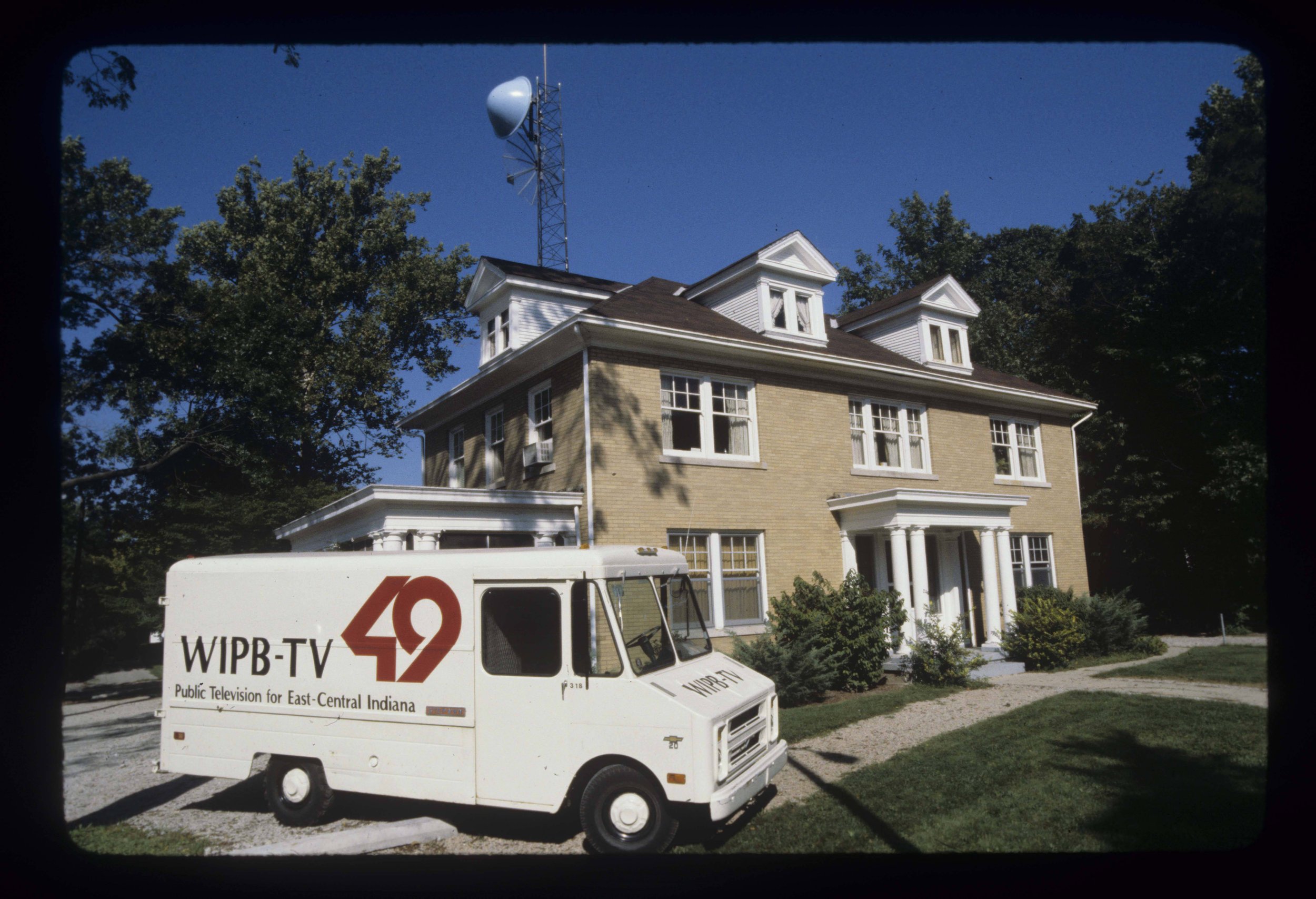
During the 1970s, BBF supported Ball State’s growing role in educational broadcasting. With BBF board member Edmund F. Ball serving as an organizing member of the national Public Broadcasting System, the foundation helped establish public television in Muncie and supported Ball State’s Educational Broadcasting program.
In 1974, BBF donated the historic L.L. Ball home on Minnetrista Boulevard for use as a public television studio, where Bob Ross later filmed many episodes of The Joy of Painting. During these years, the foundation also donated the historic home of Edmund B. and Bertha C. Ball to Ball State University and supported its renovations. The property opened in 1977 as a center for center for non-traditional adult studies. Throughout the 1980s, support from BBF continued to advance a range of campus programs.
Strengthening Arts and Culture (1990s)
During the 1990s, the foundation facilitated significant gifts of artwork from its collection to Ball State University. These contributions enhanced opportunities for students and community members to engage with the arts and today are housed at the David Owsley Museum of Art, one of the Midwest’s leading collegiate art museums.
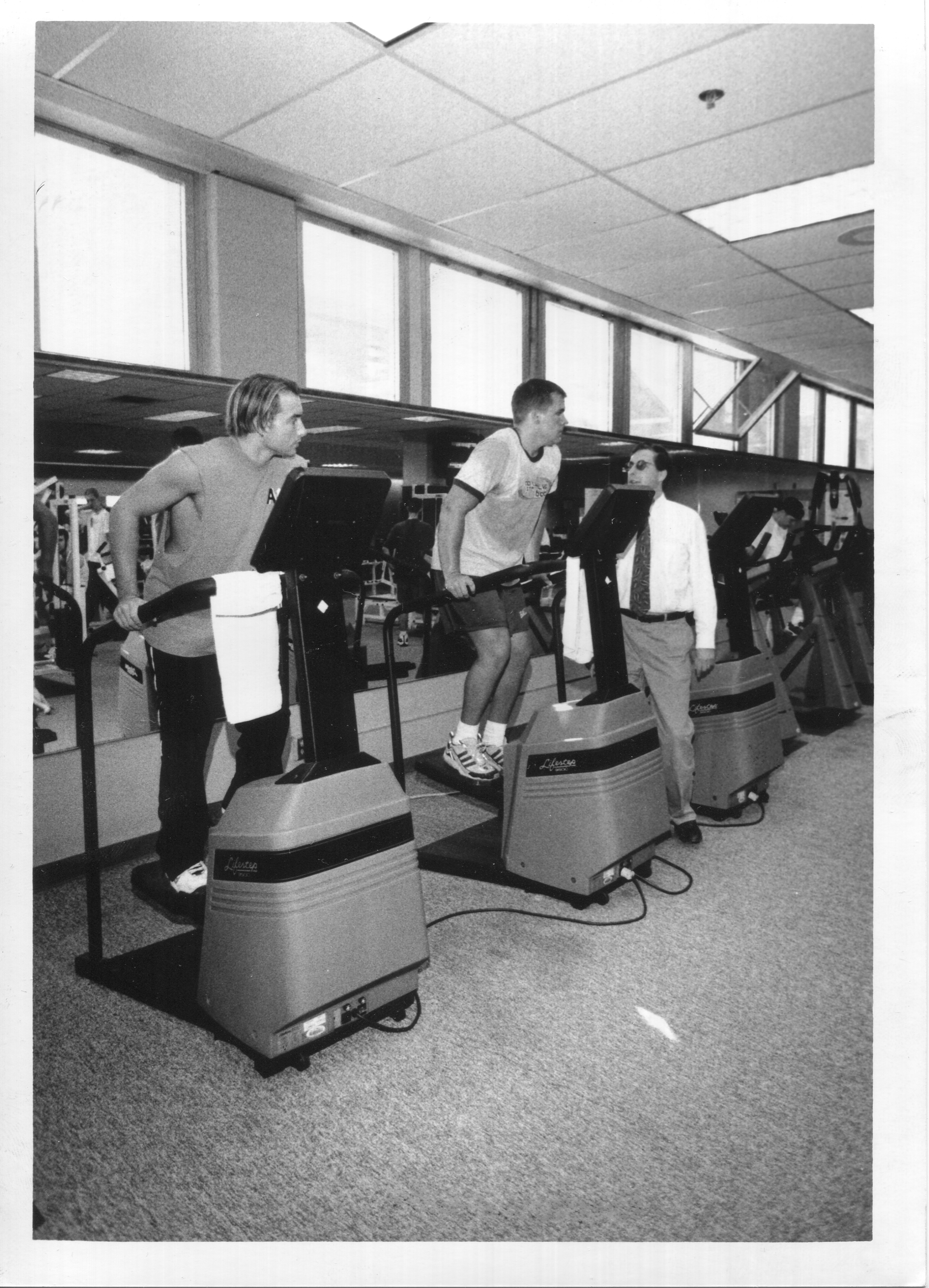
During this era, substantial foundation dollars supported BSU. Notable support included funding for the “Fisher Institute for Wellness and Gerontology” which was hailed as having one of the nation’s premier master’s programs.
In the late 1990s, BBF committed $2M to the “Above & Beyond Campaign” to benefit the Virginia B. Ball Center for Creative Inquiry, the Museum of Art endowment, and various academic programs.
Supporting Partnerships That Strengthen Muncie’s Future (2000s–Present)
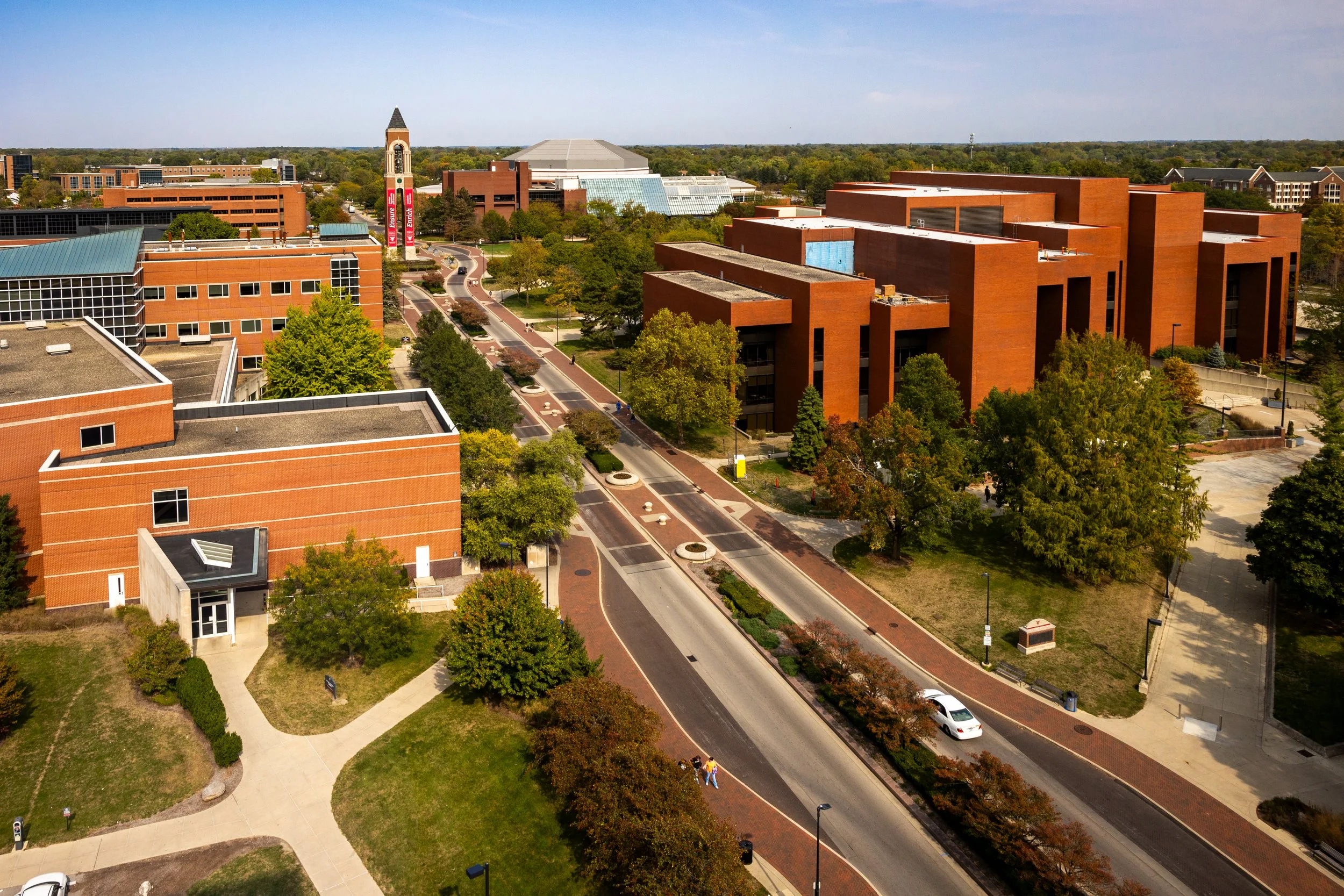
As Ball State’s campus continued to grow in the 2000s, BBF supported major initiatives that strengthened the university’s facilities, academic programs, and student experiences. Through campaigns including the Drive to Distinction, BOLD, and Cardinal Commitment, the foundation helped support projects including transformation of the football stadium, expansion of the David Owsley Museum of Art, construction of the Jo Ann Gora Student Recreation and Wellness Center, the Donald Shondell Practice Center for volleyball and basketball, and additional athletic facilities.
In 2018, BBF joined other local funders in supporting the historic partnership between Ball State University and Muncie Community Schools as the district faced significant financial challenges. The foundation committed $1 million to strengthen this partnership, building on previous support and reflecting a shared belief that strong public schools are essential to Muncie’s future.
Most recently, BBF has continued supporting Ball State’s vision for the future through support for the university’s latest campaigns, including $2 million for the Flight Path Fund and $2.5 million toward the new Performing Arts Center as part of the Village revitalization effort.
Today, BBF continues to provide support for academic programs, community partnerships, and special initiatives. More than a century after the Ball brothers purchased a struggling college with the hope of making it “the best school in Indiana,” the foundation remains committed to helping Ball State fulfill its role as an anchor institution for Muncie, East Central Indiana, and Indiana.
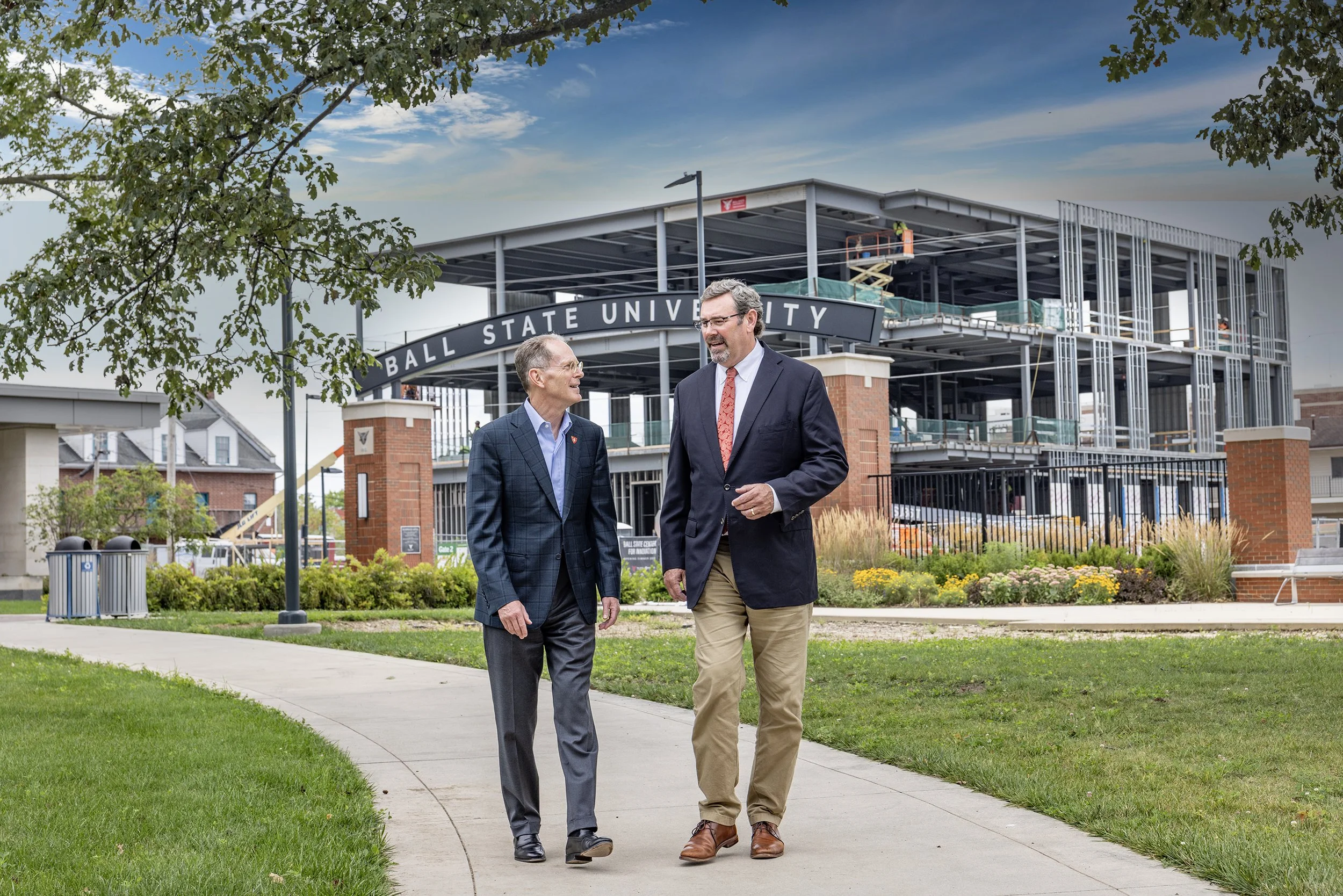
Geoff Mearns, Ball State University President with
Jud Fisher, Ball Brothers Foundation President & CEO